DiscoverCars Olympic: Olympic National Park Car Rental Guide

DiscoverCars Olympic: Olympic National Park Car Rental Guide

Key Takeaways

Planning a visit to Washington’s rugged wilderness requires careful preparation to ensure you can reach every destination on your itinerary. These essential points will help you navigate your travel logistics with ease.

  • Renting a vehicle is the most practical way to explore the vast expanse of Olympic National Park.
  • Selecting the right pickup airport, such as Seattle-Tacoma, provides more rental availability and competitive pricing.
  • SUVs offer superior utility for accessing remote trailheads, while compact cars are suitable for paved coastal routes.
  • Using a comparison tool helps travelers bypass hidden fees and secure transparent, all-in rental rates.
  • Booking your transit during the shoulder season often results in significantly lower daily prices and fewer crowds.
DiscoverCars.com

Why you need an Olympic National Park car rental

Choosing the right transportation for the Pacific Northwest is vital. Because of the sheer diversity of Olympic National Park, many iconic spots remain inaccessible without a personal car. Relying on Olympic National Park car rentals gives you the autonomy to manage your schedule and visit distinct ecosystems at your own pace.

Navigating the immense scale of the Olympic Peninsula

The Olympic Peninsula is geographically massive, spanning over 900,000 acres. Distances between the Hoh Rainforest and the rugged Pacific coast can take hours to traverse, making a dedicated vehicle essential for efficient travel between zones.

Freedom to explore remote trailheads and isolated beaches

Having your own car ensures that you are not beholden to fixed tour schedules or transit lines. This independence allows you to reach some of the most serene and isolated locations in the region:

  • Access restricted trailheads before the peak crowds arrive.
  • Move seamlessly between different micro-climates in a single day.
  • Store outdoor gear and wet equipment securely within your vehicle.
  • Enjoy sunset photography sessions at secluded coastal viewpoints.

Limitations of public transportation in the region

Public transportation in the region is largely unavailable once you leave the main highway corridors. While shuttles operate in specific town centers like Port Angeles, they do not offer the connectivity required for an in-depth tour of the park’s various natural wonders.

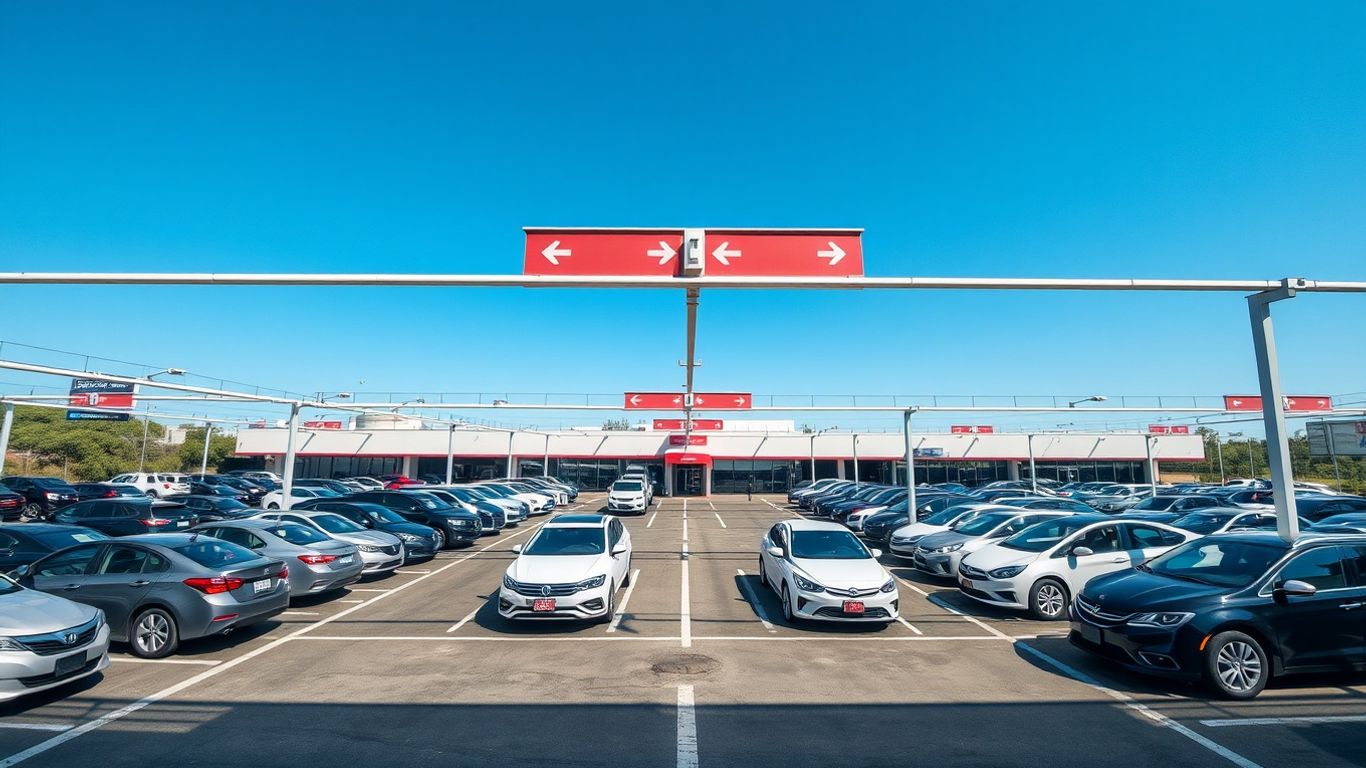
Choosing the best pickup location

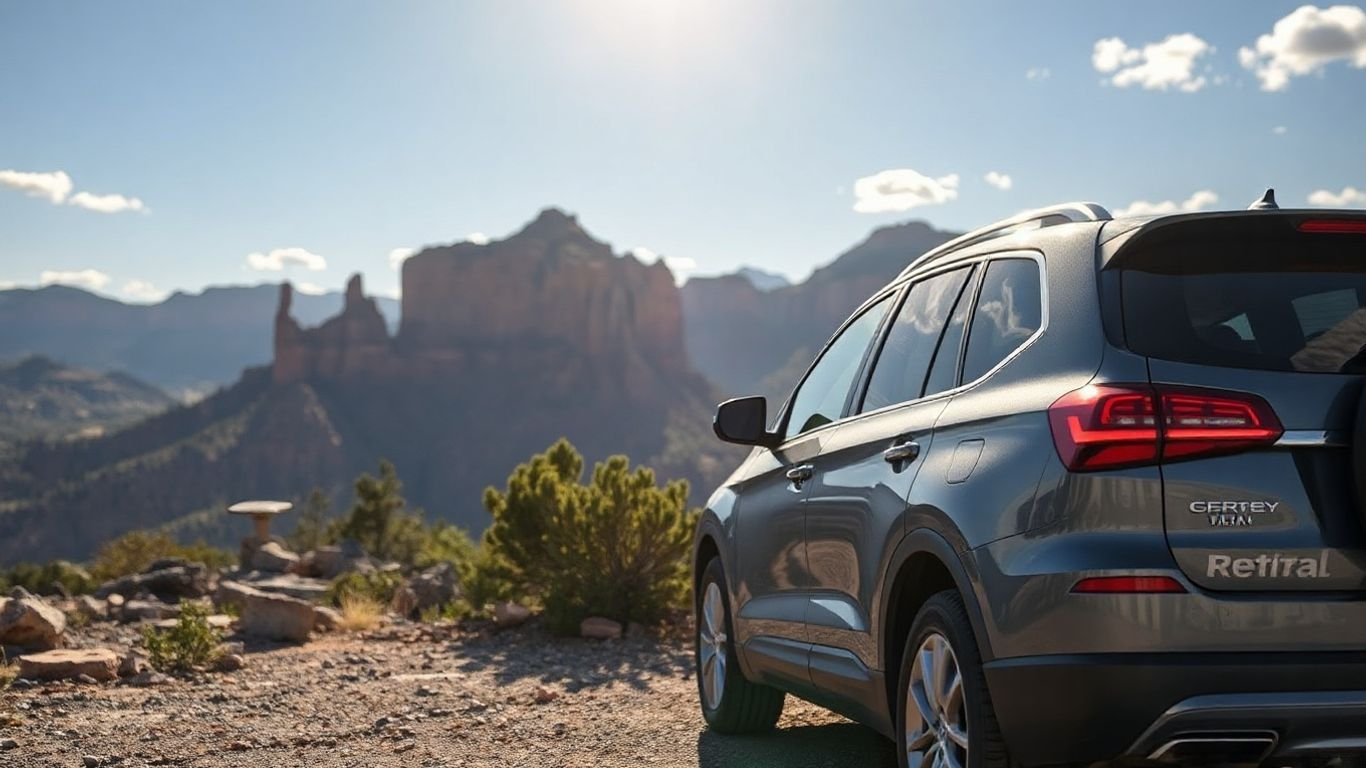
A clean rental car parked at a scenic lookout

Selecting a central hub for your arrival is the first step in successful planning. Travelers have several options for securing a vehicle, each with varying levels of convenience and inventory availability depending on their flight arrangements.

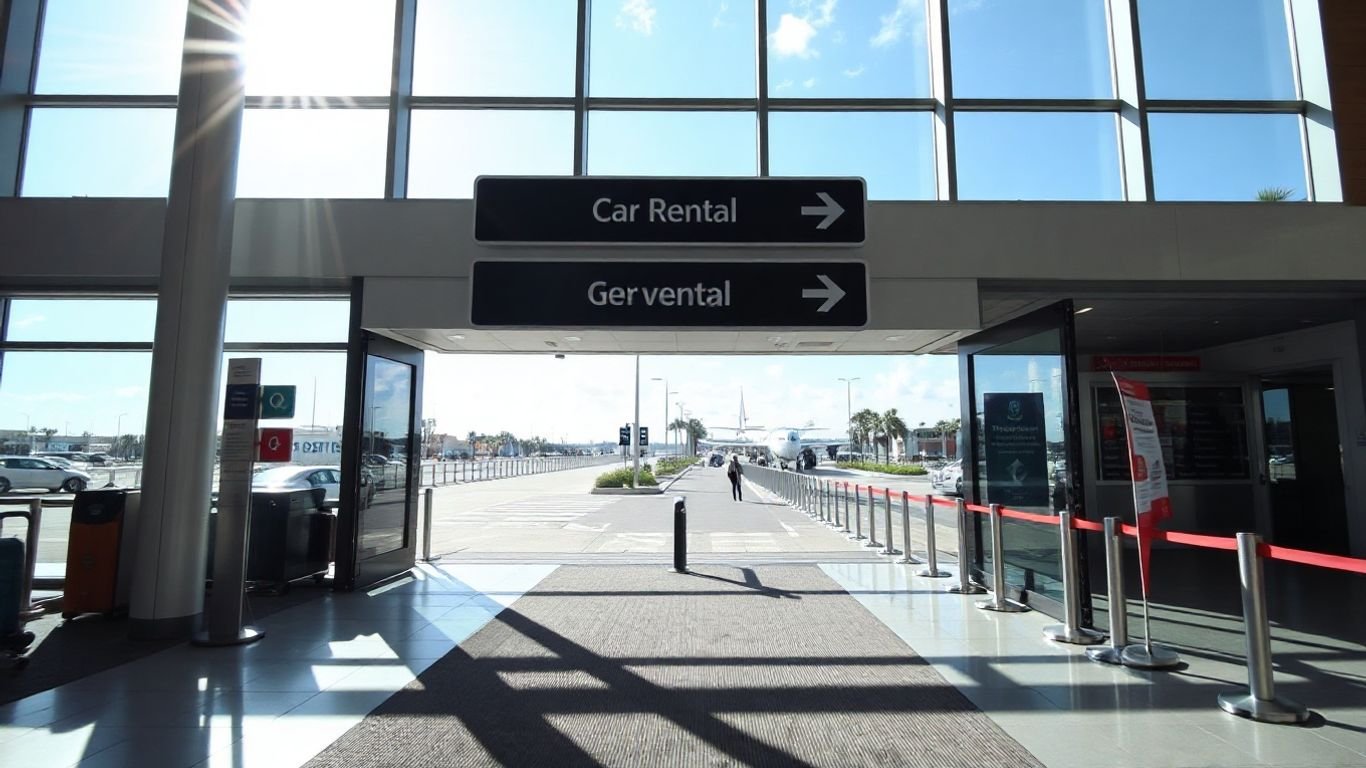
Flying into Seattle-Tacoma International Airport

Landing at Seattle-Tacoma International Airport is the most popular choice for international and domestic travelers. You will find the widest selection of rental agencies here, allowing for easier vehicle upgrades and competitive pricing models that aren’t always available at minor regional hubs.

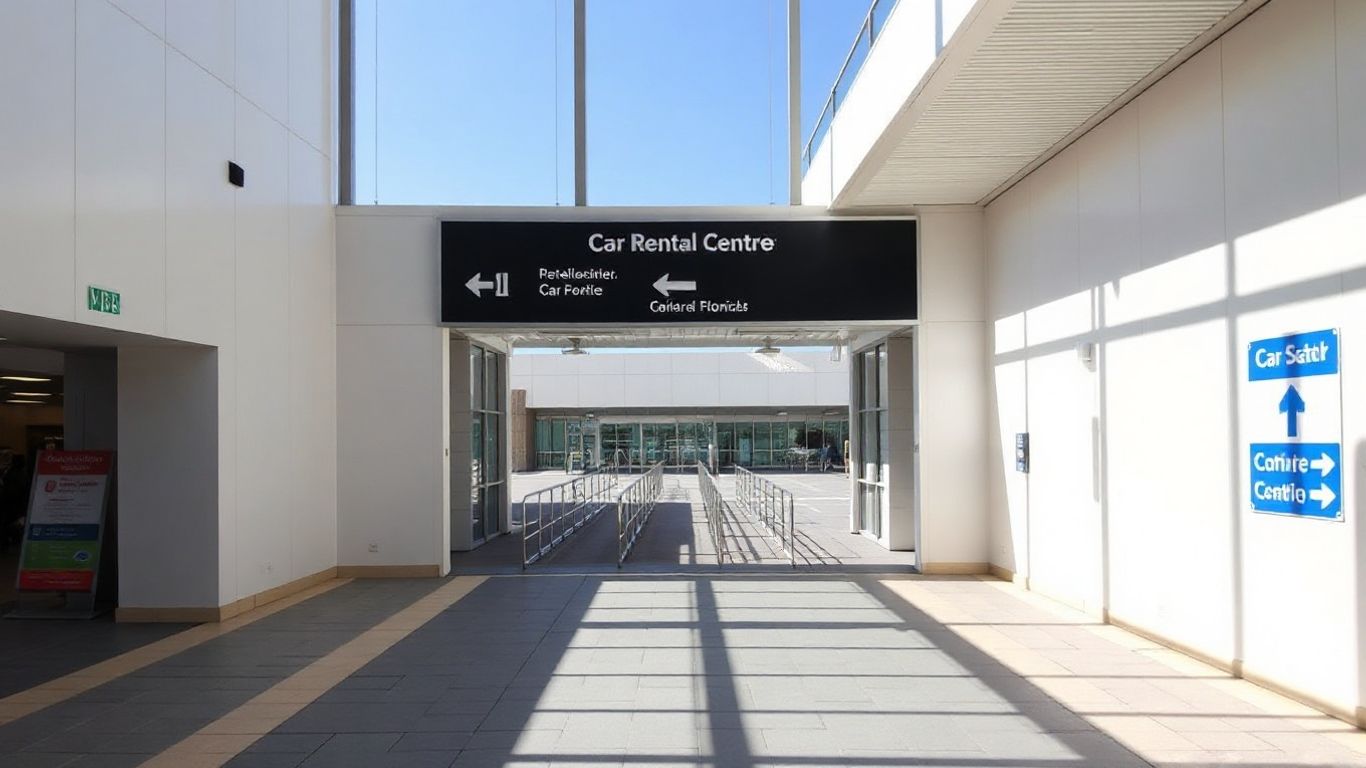
Renting near Paine Field Airport for easier access

For those flying on private or smaller commercial carriers, Paine Field offers a quieter alternative to the busy Seattle airport. While inventory is more limited, the reduced traffic can make the initial pickup process much faster for travelers focused on heading directly west.

Exploring local rental options in Port Angeles or Aberdeen

If you prefer to take a ferry or public transfer to the peninsula first, local agencies in cities like Port Angeles become viable. Renting locally can save you the drive time from the city, though it is crucial to verify availability well ahead of your summer travel dates.

DiscoverCars.com

Selecting the right vehicle for your trip

An SUV driving through a forest landscape

Your choice of vehicle greatly influences both your budget and your access to park infrastructure. Terrain and weather in the Pacific Northwest can shift rapidly, so picking a car that matches your planned activities is essential for safety and comfort.

Benefits of an SUV for rugged park terrain

SUVs provide the ground clearance and cargo capacity necessary for gear-heavy trips. If you plan on visiting elevated areas or unpaved forest service roads, the stability provided by an all-wheel-drive platform is often non-negotiable for a stress-free experience.

Vehicle Class Primary Benefit Terrain Suitability
Compact Sedan Fuel Efficiency Paved Highway
Mid-size SUV Comfort & Cargo Mixed Surfaces
Full-size Truck Raw Utility Rugged Roadways

Selecting a vehicle that aligns with your specific needs will prevent equipment issues during your journey. While some travelers consider Glacier and Yellowstone car rentals requiring large trucks, an SUV is usually the perfectly balanced choice for these coastal environments.

Compact cars for city maneuverability and fuel efficiency

Smaller cars excel during the urban portion of your trip, especially if you are navigating dense areas such as Portland. They are inherently more fuel-efficient and easier to park at busy trailheads or visitor centers, saving you time and rental costs.

Considerations for group size and luggage storage

When traveling with multiple people, ensure your trunk space can accommodate everyone’s luggage and hiking supplies. Overloading a vehicle frequently leads to visibility issues and reduced comfort, so upsizing early is generally a wiser investment.

Navigating the booking process with DiscoverCars

Using a digital comparison tool is the best way to ensure transparency in your rental agreement. DiscoverCars simplifies the search by consolidating offers from various agencies into one readable list, making it easier to evaluate total costs before booking.

Comparing rental rates across multiple competitive agencies

By browsing multiple agencies simultaneously, you can identify hidden discounts that are not visible on individual agency websites. Comparing these rates through a single platform helps you avoid overpaying for standard road trip vehicles.

Understanding insurance policy options for peace of mind

Insurance can be confusing, but clarity is key to a smooth rental. Reviewing policy documents provided during your search helps you understand what is covered, from basic liability to comprehensive collision damage waivers, ensuring you are not caught off guard.

Managing your reservation and avoiding potential hidden fees

Transparent booking platforms permit you to manage your reservation settings online at any time. This avoids issues such as surprise surcharges for young drivers or additional mileage fees, keeping your planned travel budget intact.

Driving tips and park logistics for your journey

Successful trips are built on careful logistical planning before you turn the ignition. Because most visitors prefer to rent their vehicles early to avoid shortages, you should always finalize your booking at least several weeks before your departure date.

Planning for seasonal road closures and changing weather

Mountain roads can experience unexpected closures due to snow or maintenance, even late in the spring. Always check official park advisories to ensure your planned driving route remains open and safe for your specific car type.

Parking strategies for popular trailheads and visitor centers

Parking lots at high-demand sites fill up quickly, often reaching capacity by mid-morning. If you arrive early, you are far more likely to secure a spot without a long wait, allowing you to prioritize your day around nature rather than city-style traffic.

Mapping out your route to minimize driving time between zones

Travel times in this region are often longer than maps suggest due to winding roads and lower speed limits. Dedicate specific days to different geographic areas of the park to maximize your time spent hiking and minimize hours spent behind the wheel, following practices similar to those seen in Sequoia National Park guidebooks.

Conclusion

Planning a successful road trip through the diverse landscapes of Olympic National Park requires both the right vehicle and a clear understanding of your rental options. By prioritizing early booking, choosing a vehicle that fits your planned activities, and utilizing comparison tools to remove surprises, you can focus on the experience rather than the logistics. With your transportation secured, you are ready to explore the ancient rainforests, windswept coastline, and glacial peaks that define this incredible wilderness area.

Ready to compare Olympic National Park rental prices?

Check live prices on DiscoverCars →

Frequently Asked Questions

Is a rental car necessary to see the whole park?

Yes, a personal or rental vehicle is essential because the park covers such a vast area with virtually no reliable public transportation connecting remote trailheads or distant valleys.

What is the best time of year to visit for lower rates?

Off-peak months, particularly late autumn and winter, typically offer more competitive daily rental rates and fewer crowds compared to the high demand seen in July and August.

Do I need an SUV to explore the roads?

While most paved roads are accessible with standard sedans, an SUV is highly recommended if you intend to venture into higher elevations or unpaved forest service routes.

Are there mileage limits on rental agreements?

Standard rental policies frequently include unlimited mileage, but it is important to confirm this in your booking details to avoid unexpected per-mile surcharges during your trip.

Where is the most convenient place to pick up a car?

Seattle-Tacoma International Airport typically offers the largest inventory and the most competitive pricing, making it the most convenient hub for travelers arriving by plane.

Can I drive my rental car into the park trailheads?

Yes, rental cars are permitted on all public roads within the park; however, you must adhere to park speed limits and parking regulations at all trailheads.

How far in advance should I book my rental?

To ensure availability and access to the best pricing tiers, it is advisable to complete your reservation at least three to four weeks before your trip begins.

Disclosure: This article contains affiliate links. If you book through them, we may earn a commission at no extra cost to you. This helps support our free guides.


DiscoverCars Mount Rushmore: Car Rental Guide (2026)

DiscoverCars Mount Rushmore: Car Rental Guide (2026)

Key Takeaways

Planning a visit to South Dakota requires careful preparation to navigate the mountainous terrain and dispersed attractions. Using a reliable comparison tool helps you secure the right transportation for your needs while avoiding unexpected costs.

  • The Black Hills region lacks public transit covering major sites like Mount Rushmore.
  • Booking a rental in advance is the best way to ensure vehicle availability during the season.
  • Comparing all-in rental prices prevents surprise charges at the counter.
  • A standard or mid-size vehicle is typically sufficient for well-maintained park roads.
  • Always review insurance and coverage terms before finalizing your rental reservation.
DiscoverCars.com

Why you need a rental car to visit the Black Hills

Visiting the Black Hills involves traversing vast distances between iconic landmarks where public transportation simply does not exist. Relying on your own wheels gives you the freedom to move at your own pace through the winding scenic byways. It remains the most practical way to bridge the gap between your accommodation and the various national monuments that define the region.

Exploring the sprawl of the Black Hills National Forest

The geography of South Dakota is defined by massive forests and rolling hills that stretch for miles. Without a private vehicle, traversing the area between trailheads and observation points becomes nearly impossible, as these natural areas are intentionally remote and undeveloped.

Limited public transportation to major monuments

Most visitors find that there is no conventional bus or shuttle infrastructure connecting major attractions like DiscoverCars Yellowstone territory or the Black Hills to busy urban centers. Because of this, tourists must secure their own transport to ensure they can actually reach the landmarks they traveled so far to see.

Balancing spontaneity with a tight travel itinerary

When you have your own rental car, you are not tethered to a rigid tour operator schedule or limited by fixed arrival times. This flexibility allows you to linger longer at the monument at sunset or make an impromptu stop at a roadside attraction that caught your eye, ensuring you get the most out of your limited vacation days.

The benefits of reaching hidden gems surrounding the monument

The real magic of the Black Hills often lies in the smaller, less-crowded sites tucked away from the main monument gates. Having a rental allows you to easily explore DiscoverCars Bryce Canyon style landscapes or quiet state parks without the stress of missing a coordinated transport shuttle.

Getting started with DiscoverCars for your South Dakota trip

Rental car parked in a scenic mountain area

Navigating the process of securing a vehicle is a fundamental part of preparing for your South Dakota adventure. Platforms like DiscoverCars help simplify this by aggregating options from various suppliers, ensuring you find the best value for your trip. By comparing these options upfront, you remain in control of your budget and your itinerary timing.

How the platform aggregates local rental options

This platform pulls data from a wide network of suppliers to present you with clear, side-by-side pricing for your chosen travel dates. Instead of visiting multiple websites, you can see all available inventory in one interface, which drastically simplifies the comparison process.

Navigating the filtering tools for your specific dates

Utilizing the built-in filters allows you to narrow down results by vehicle size, drive type, and provider reputation. This level of customization ensures that the cars you see are relevant to your needs and match your specific group size or luggage requirements.

Understanding supplier ratings and user transparency

Each listing on the site includes transparent information regarding supplier policies, such as deposits and required documentation. This data is critical because it helps you choose a rental provider based on real feedback, keeping you informed about the best vehicle class for your specific journey.

Managing your reservation through the DiscoverCars portal

The digital portal serves as a central hub where you can view every detail of your confirmed trip in one place. If you need to make changes or check your pick-up instructions, everything stays organized within your account dashboard, preventing any confusion upon arrival at the rental desk.

Airport pickup vs. local rental locations

Deciding where to pick up your vehicle often comes down to balancing convenience against potential cost savings. Arriving at a major hub gives you immediate access to your transportation, though downtown offices sometimes offer different inventory options. Understanding the logistical differences between these choices helps you craft a smoother transition from the airport to the open road.

Renting at Rapid City regional airport

Most travelers choose the airport for its sheer convenience, as you can walk straight from your terminal to the rental counter. This saves significant time, especially after a long flight, allowing you to hit the road toward the monuments without additional delays or shuttle rides.

Pros and cons of picking up a car in downtown Rapid City

City locations might offer lower rates in certain cases, but they also require extra transit time to get from the airport to the downtown area. You must weigh whether the potential savings on the rental daily rate justify the added complexity and transportation costs of reaching the city facility.

Considering off-airport rental agencies for potential savings

Sometimes, agencies situated slightly away from the airport premises provide lower base rates to stay competitive in the market. These locations often require a short transfer, but they are a viable alternative for travelers looking to stretch their budget further without compromising on the quality of their rental vehicle.

Coordination of travel times for airport-based pickup

If you choose an airport location, ensure your flight information is accurate to manage any unexpected delays in your retrieval process. Keeping your pick-up window synchronized with your arrival time minimizes the risk of the agency marking you as a no-show during busy peak periods.

DiscoverCars.com

Choosing the right vehicle for mountain driving

Car driving along mountain range with peaks

Selecting the right car is essential for navigating the steep roads and varying weather conditions that frequently characterize the Black Hills. You want a vehicle that provides enough power for climbing while maintaining the safety features required for winding roads. The following table provides a breakdown of vehicle types and their intended use to help you pick the best option for your group.

Vehicle Category Best For Typical Capacity
Compact Sedan City driving and couples 2-3 Adults
Mid-Size SUV Mountain roads and families 4-5 Adults
Minivan Larger groups and luggage 6-7 Adults

Selecting a vehicle that matches the comfort needs of your passengers ensures that the long drives through South Dakota remain enjoyable for everyone involved.

Evaluating passenger capacity for your group size

Consider not just the human occupants but also the amount of gear you are bringing for hiking or photography. Cramming too many people into a small car will quickly diminish the comfort of your trip as you navigate long segments on remote highways.

Benefits of all-wheel drive for regional weather conditions

Even in late season months, mountain weather can change instantly, making all-wheel drive a beneficial choice for added peace of mind. While most paved roads are accessible with front-wheel drive, the extra grip provides additional security when visiting DiscoverCars Yosemite style environments in the region.

Fuel efficiency expectations for long-distance driving

Because the Black Hills require quite a bit of driving across significant distances, checking the real-world fuel economy is a smart money-saving strategy. Opting for a fuel-efficient engine can significantly trim your travel expenses when covering hundreds of miles over the course of your vacation.

Amenities for a comfortable family road trip experience

Think about features like navigation systems or climate control that might be standard in higher-tier rentals. When spending several hours a day in the car, these small comforts often become the most appreciated part of the rental package for your group.

Insurance and coverage requirements for South Dakota

Understanding the legal and protective requirements for driving in rural areas is part of being a responsible renter. You should clearly define what your personal insurance covers compared to what the rental company offers to avoid gaps in your protection. Knowing your options early ensures you do not feel pressured at the rental desk when you are already tired from traveling.

Reviewing your existing personal auto policy

Before you commit to extra plans, check with your current provider to see if your coverage extends to rental cars in South Dakota. Often, your personal policy provides basic liability, but you may want to ensure you are fully protected for physical damage to the rental itself.

Understanding supplemental coverage offered via DiscoverCars

When booking your rental, the platform offers integrated insurance options that provide extra layers of security during your trip. These supplemental plans are designed to give you clarity on what is covered, helping you avoid out-of-pocket costs in the event of minor accidents like windshield chips or scratches.

Collision damage waiver basics for rental vehicles

This waiver essentially limits your financial liability if the vehicle is damaged or stolen during your custody. It acts as a primary safety net, though the specifics of what is included vary between providers, so always take a moment to read the fine print before clicking confirm.

Liability protections when traveling in rural South Dakota

Driving in remote areas means you are far from urban traffic, but risk is still present from wildlife or unpredictable road conditions. Ensuring you have robust liability protection gives you the assurance that you are financially guarded against unforeseen incidents that could occur out on the winding backroads.

Pro tips for a seamless Mount Rushmore road trip in 2026

Planning your logistics ahead of time will save you from common roadblocks that many tourists encounter during peak seasons. Even small adjustments to your strategy around fuel and timing can lead to a much more relaxing and enjoyable tour of the monument. Consider these essential planning steps to keep your travel running smoothly:

  • Book your rental car at least three to four weeks before your departure date to ensure the best available rates and vehicle models.
  • Download offline versions of navigation maps before starting your trip, as cell service can frequently be spotty in the forested areas.
  • Visit early in the morning to bypass the largest crowds of tour buses and private travelers arriving in groups.
  • Check the local seasonal reports for any planned road work or construction projects on major routes leading to the monument.

Booking in advance to guarantee vehicle availability

Reserving early is the best way to avoid the stress of limited inventory when demand spikes during the summer. By securing your car early on a site like DiscoverCars Denver, you lock in your price and ensure the specific vehicle size you require is held for your arrival.

Checking seasonal fuel prices and typical route closures

Keep an eye on regional news for bridge closures or road maintenance, which can occasionally force long detours in mountain areas. Being aware of where you can find fuel in smaller towns ensures you never end up stranded on a remote stretch of highway.

Preparing digital and offline navigation maps

Do not rely entirely on real-time internet connectivity, as the terrain often causes gaps in GPS signaling for smartphone apps. Having static maps loaded on your device acts as a necessary backup that ensures you stay on the correct path toward your next destination.

Strategies for avoiding peak crowds at the monument gates

Arriving just as the gates open or waiting until later in the afternoon helps you avoid the mid-day surge of traffic. Timing your transit correctly makes it much easier to secure parking at the monument and enjoy the views without the distraction of heavy visitor traffic.

Conclusion

Taking the time to organize your transportation, insurance, and route planning ensures that your journey to Mount Rushmore remains focused on the stunning scenery rather than logistical headaches. By utilizing reliable comparison tools and keeping your schedule flexible, you position yourself to make the most of the rugged South Dakota landscape at your leisure. With your rental needs sorted, you are free to explore every winding road and hidden treasure waiting for you in the Black Hills.

Ready to compare Mount Rushmore rental prices?

Check live prices on DiscoverCars →

Frequently Asked Questions

Do I really need a rental car for a trip to the Black Hills?

Yes, the area is expansive and lacks any form of reliable public transportation, making a private vehicle the only realistic way to visit multiple monuments.

What is the best airport to fly into for Mount Rushmore?

Rapid City Regional Airport is the closest and most convenient airport option for travelers looking to minimize drive time to the Black Hills area.

Do I need a specialized vehicle to visit the national monuments?

A standard sedan is generally perfectly adequate for all paved roads leading to the monument and surrounding major sites in the region.

Can I pick up a car in downtown Rapid City instead of at the airport?

Yes, downtown rental locations are available, though you should weigh the cost of getting there from the airport against any savings on the car rate.

When is the best time to book a rental for a summer trip?

It is highly recommended to book your vehicle at least one month before your arrival to secure both the desired car class and competitive pricing.

Are there any specific road conditions to prepare for in 2026?

Mountain roads can be steep and winding, so always check for current construction or seasonal repair projects before starting your daily drive.

How can I avoid the largest crowds at Mount Rushmore?

Plan your arrival for early morning hours or late afternoon to evade the peak rush of bus tours that typically flood the parking lots during mid-day.

Disclosure: This article contains affiliate links. If you book through them, we may earn a commission at no extra cost to you. This helps support our free guides.

DiscoverCars Acadia: Acadia National Park Car Rental Guide

DiscoverCars Acadia: Acadia National Park Car Rental Guide

Key Takeaways

Planning a trip to Maine’s premier coastal destination requires careful preparation. Use these five points to simplify your logistics for an Acadia adventure.

  • Renting a car remains the most reliable way to access all areas of the national park.
  • Cadillac Mountain requires a separate, advance vehicle reservation during peak season.
  • Booking your vehicle early is essential, especially when flying into major Maine hubs.
  • Choosing the correct vehicle class helps you navigate tight parking and narrow park roads.
  • Gas stations are often sparse near park borders, so monitor your fuel levels consistently.
DiscoverCars.com

Why you need a rental car for Acadia

Limitations of public transportation within the park

While the Island Explorer bus system offers a scenic way to traverse certain loops, it does not provide comprehensive coverage for every point of interest in the park. Travelers relying solely on buses often find their itineraries strictly governed by schedules rather than their own pace. By opting for an Acadia National Park car rental, you avoid the frustration of missing the last shuttle or waiting in long lines at major transit nodes.

Accessibility to remote hiking trailheads

Many of the most celebrated hiking trails sit at higher elevations or in secluded valleys far removed from primary bus stops. Without a private vehicle, trekkers must endure long walks on paved roads just to reach the start of their journey. A rental vehicle allows you to park directly at these trailheads, helping you maximize your time on the trails before the afternoon crowds arrive.

Flexibility to explore the Schoodic Peninsula

Public shuttles generally remain confined to Mount Desert Island, leaving the stunning, quiet shoreline of the Schoodic Peninsula largely unreachable for those without a car. This detached section of the park offers a rugged, tranquil escape that requires a dedicated driving route to fully appreciate. Having your own wheels grants you the freedom to journey off the beaten path whenever you choose.

Weather considerations and passenger comfort

The coastal weather in Maine is notorious for its rapid shifts, turning from sun to heavy mist in mere minutes. Relying on open-air transport or waiting at an exposed bus stop can quickly dampen your day if a sudden storm rolls through. A personal rental car provides a climate-controlled sanctuary where you can store extra layers and remain comfortable regardless of the elements.

Where to find car rentals for the park

Scenic coastal road in Maine

Renting at Bangor International Airport (BGR)

Flying into Bangor is a common strategy for visitors looking for a balance between flight availability and proximity to Bar Harbor. The airport hosts several major agencies that allow for a seamless transition from the terminal to your vehicle. It is advisable to compare options early, as inventory can become constrained during the height of the summer tourist season.

Renting at Portland International Jetport (PWM)

For travelers who prefer larger flight hubs, Portland serves as a primary gateway to the Maine coast. Despite the longer drive time to the park, the increased variety of vehicle classes can offer better value for your budget. Using a comparison site like DiscoverCars allows you to filter effectively by price and agency location, ensuring you find a rental that suits your itinerary.

Local rental options in Bar Harbor and Ellsworth

Some travelers prefer to find rentals closer to the park’s entrance to avoid long highway drives. Local agencies in Bar Harbor or the neighboring town of Ellsworth provide localized service, though they may have limited fleets compared to larger international airports. It is often wise to check their availability well in advance to avoid disappointment upon your arrival.

Tips for booking via DiscoverCars

Navigating rental policies across disparate agencies can feel overwhelming, which is where a robust comparison tool proves its value. DiscoverCars helps simplify this by aggregating options, allowing you to clearly see fuel policies, mileage limits, and transparent price breakdowns. By using this service, you get the confidence of comparing rates from multiple providers without needing to visit each site individually.

Understanding vehicle reservation requirements

Cadillac Mountain vehicle reservations

For many, driving the summit road of Cadillac Mountain is the highlight of an Acadia journey, but it requires advance planning. From late May through October, you must secure a specific vehicle reservation to access this area. Visitors who do not have an entry reservation displayed in their vehicle will not be permitted to drive up the mountain.

Sand Beach and Ocean Drive seasonal access

Unlike the summit road, most of the park’s coastal attractions—including the iconic ocean-side roads—do not require a separate vehicle reservation. You can enjoy the scenery at your leisure without needing to track a timed entry for these specific zones. Just keep in mind that parking can fill up extremely fast during sunny summer days, so arrive early.

How to book reservations via Recreation.gov

If you need access to the summit or other controlled areas, the process is handled through the Recreation.gov portal. Being proactive is crucial, as the most popular time slots are often claimed shortly after they become available. It is recommended to check the reservation calendar well before your travel dates to ensure you don’t miss out on these limited access permits.

Rental car considerations for restricted zones

A common complication for rental drivers involves managing the physical permit itself when picking up a car at the last minute. Because tags must be often printed or verified at the point of entry, always carry your confirmation on your phone or in printed form. If your vehicle rental is swapped by the agency, double-check that your reservation remains associated with the correct license plate information if required by the park system.

DiscoverCars.com

Choosing the right vehicle for Maine terrain

SUV parked near a forest trail

Compact vs. SUV: What fits in tight parking spaces

Parking availability in Acadia is often restricted to small, gravel-lined pull-offs rather than spacious lots. While an SUV offers more comfort on uneven ground, its size can make maneuvering into narrow spaces a challenge during peak hours.

Vehicle Category Best For Parking Ease
Compact Sedan Fuel Efficiency High
Mid-size SUV Gravel Roads Medium
Minivan Family Space Low

Selecting a vehicle that feels manageable in tight spaces is often the best approach for those touring the main coastal loop.

Checking local road conditions for rental vehicles

Most of the park’s main roads are well-maintained asphalt, suitable for standard passenger vehicles. However, if your itinerary includes secondary access roads or seasonal routes, checking for potential closures is a necessary step. Always verify with your rental agent if there are any specific geographical restrictions on where the vehicle can be taken.

Cargo considerations for hiking and photography gear

Between bulky hiking packs, camera tripods, and extra layers, your vehicle can fill up much faster than anticipated. When choosing your rental, consider the following layout needs:

  • Hard-shell cases for camera equipment
  • Multiple sets of muddy hiking boots
  • Large water jugs for long treks
  • A dedicated spot for cooler storage
    Planning for storage space early ensures that you aren’t forced to leave essentials behind or cram gear into the footwells of your car.

Electric vehicle charging availability near the park

Electric vehicle infrastructure in rural Maine continues to grow, yet it remains less dense than in urban areas. Check the current proximity of high-speed chargers near your base in Bar Harbor if you plan to rent an EV for your trip. Always have a backup plan for your charging needs to prevent being stranded during your daily explorations.

Best practices for driving in Acadia

Dealing with seasonal peak traffic and congestion

During the middle of the summer, the main loop road can experience significant traffic, especially near primary viewpoints. Plan to do your driving in the early morning or late afternoon to avoid the mid-day crunch. Adopting a flexible schedule helps you navigate the park with minimal stress while preserving your time for nature walks.

Sharing the road with cyclists on Park Loop Road

Cyclists are a common sight in the park, and caution is required when navigating the narrow lanes. Keep a safe buffer between your rental car and riders, and only pass when you have full visibility of the road ahead. Respecting the shared right-of-way makes the experience safer for everyone and preserves the calm atmosphere of the island.

Safety protocols for wildlife encounters

Wildlife, including deer and occasionally smaller mammals, may wander near the roadways without warning at dawn or dusk. Maintain a steady, moderate speed, and always stay alert to the movement along the tree line. If you spot an animal, provide it with plenty of space and do not attempt to lure or feed it, as this is both dangerous and strictly prohibited.

Night driving and visibility on park roads

Driving at night in rural Maine presents unique challenges due to limited light and the lack of reflective markings on side roads. Use your high beams responsibly when other cars are not present to spot any potential hazards well in advance. Having a clear destination and knowing your route before starting your engine will keep your final leg of the day stress-free.

Tips for managing costs and logistics

Comparing rental agency rates in Maine

Rates fluctuate frequently based on season, vehicle inventory, and proximity to major gateways. Taking time to compare prices across various providers will often reveal significant savings for your trip budget. Using a trusted comparison engine allows you to view all available offers in one place, helping you make a financially sound decision.

Factoring in park entrance pass costs

Beyond the cost of your vehicle, you must include the price of an entrance pass in your total budget. If you intend to explore multiple national parks throughout the year, purchasing an annual America the Beautiful pass can be the most economical choice. Remember to display your pass clearly on your vehicle dashboard as soon as you enter the park grounds.

Understanding insurance and collision damage waivers

While rental agencies offer various insurance products, always review your existing credit card coverage or personal car policy first. You might already have sufficient protection, which could save you a significant amount on your daily rate. Be clear about exactly what your coverage entails before signing your rental agreement at the counter.

Fuel availability near park entrances

With winding roads and frequent stopping at viewpoints, fuel consumption can be higher than expected when driving through rugged terrain. Always top off your tank in Bar Harbor or Ellsworth before heading into the deeper portions of the park. Relying on remote gas stations is risky, so maintain at least a half-tank to keep your piece of mind throughout the afternoon.

Conclusion

Navigating Acadia National Park with a rental vehicle offers unmatched independence, allowing you to discover remote trails and hidden coastal vistas at your own pace. By prioritizing advance reservations for protected areas and staying prepared for shifting Maine weather, you can ensure a smooth, cost-effective, and highly memorable experience. Whether you fly into Bangor or Portland, selecting the right vehicle class and planning your logistics carefully will turn a standard road trip into the highlight of your year.

Ready to compare Acadia National Park rental prices?

Check live prices on DiscoverCars →

Frequently Asked Questions

Can I visit the park without a car?

It is possible to visit using shuttles, buses, or by flying into local airports and taking public transit, but doing so significantly limits where you can go. A private vehicle provides the freedom to visit out-of-the-way trailheads and secluded sunrise spots that aren’t reachable by bus.

Do I need a pass for my rental car?

Yes, every vehicle entering the park must display a valid entrance pass. You can purchase these at the park entrance stations or online, and they must be positioned where park rangers can easily verify them.

Are there any length restrictions for driving in the park?

While most passenger vehicles fit easily within the park, some historic carriage roads or very narrow scenic access points may have size limitations. Always check official park notices if you are renting a larger vehicle or a recreation-style camper.

How far in advance should I book my rental car?

For travel during the summer peak or fall foliage season, it is best to book your vehicle at least several weeks in advance. This ensures a wider selection of available cars and helps you avoid the surge pricing found during high demand periods.

Does my park entrance pass cover my vehicle reservation fee?

No, the entrance pass and the vehicle reservation fee for specific roads like Cadillac Mountain are separate charges. You must hold both if you intend to drive up the mountain summit during the reservation season.

What should I do if I get a flat tire in the park?

If you experience vehicle trouble, move to a safe, level spot away from traffic if possible, and contact your rental agency’s roadside assistance number. Most rental agreements provide a number for these situations, which you should save in your phone before entering the park.

Is it better to rent near the airport or in town?

Airport rentals generally offer larger fleets and potentially lower rates, while local in-town rentals require less driving once you arrive at your destination. Your choice depends on your budget, your preferred mode of travel, and how many miles you are comfortable clocking on your rental car.

Disclosure: This article contains affiliate links. If you book through them, we may earn a commission at no extra cost to you. This helps support our free guides.
DiscoverCars Glacier: Glacier National Park Car Rental Guide

DiscoverCars Glacier: Glacier National Park Car Rental Guide

Key Takeaways

Planning a visit to Montana requires careful logistical preparation to ensure you can see everything on your list. This article outlines the essential steps for organizing your transportation.

  • Securing a vehicle well in advance is critical for summer travel.
  • A rental car provides the flexibility needed to traverse rural Montana.
  • Compare prices across multiple providers using a trusted comparison tool.
  • Understand local road conditions and seasonal closures before you arrive.
  • Proper insurance and vehicle choice can prevent stress on mountain roads.
DiscoverCars.com

Why you need a rental car for Glacier National Park

Visiting this stunning landscape requires reliable transportation that moves at your own pace. While the region offers breathtaking views, the sheer scale of the wilderness means that public transit options are often insufficient for a comprehensive tour. Securing a reliable Glacier National Park car rental ensures you are not tethered to rigid schedules and can linger at scenic overlooks without checking a watch.

The vast scale of the Going-to-the-Sun Road

Traveling this iconic route involves navigating roughly 50 miles of winding mountain passes that climb significantly in elevation. The distance between major trailheads is substantial, and stopping for photo opportunities or quick hikes takes longer than most expect. Having your own car ensures that you can tackle the drive in segments or return to your favorite spots whenever the light looks perfect for photography.

Limitations of park shuttle services

Park shuttles provide basic access but prioritize major transit points over quiet, off-the-beaten-path areas. Relying solely on these services often forces visitors to skip smaller trailheads or remain in crowded areas rather than venturing into the backcountry. You are essentially locked into the shuttle’s specific route, which limits your ability to adapt your itinerary based on local weather or sudden changes in park conditions.

Freedom to explore areas outside park borders

Montana is much larger than its national parks, and some of the best experiences are located in the surrounding national forests and mountain towns. Renting a car allows you to drive safely between Glacier and other regional highlights without being dependent on limited regional buses.

  • Easily detour to local mountain towns for dinner or supplies.
  • Access remote trailheads not served by public transit.
  • Set your own departure times to beat early morning crowds.
  • Carry bulky gear like hiking boots and camera tripods comfortably.

Where to pick up your rental car near Glacier National Park

Arriving at the local airport in Montana

Choosing the right pickup spot impacts both your total cost and the duration of your first travel day. Most travelers find that flying directly into the nearest hubs saves significant time, preventing long, exhausting drives from more distant major cities. Evaluating your options early is vital since local fleets often sell out during the prime summer trekking season.

Flying into Glacier Park International Airport (FCA)

This airport serves as the primary gateway for those visiting the park, offering a convenient Glacier International Airport car rental experience. Because it is located near the park’s entrance, you can land and be on your way to the mountains within an hour. It remains the most requested hub, so booking through DiscoverCars as soon as your flights are confirmed is highly recommended.

Renting in Kalispell and Whitefish

Kalispell and Whitefish offer more rental inventory than smaller towns and provide a great base for stocking up on supplies. There are various suppliers available, and taking the time to compare their terms can help you find a vehicle that fits your specific travel needs. These towns are well-equipped to handle the tourism influx and provide easy access to the western park entrances.

Availability in Missoula and surrounding regions

If you find limited availability at closer hubs, Missoula is a larger city that often carries more vehicles. While it is a longer drive to the park, the inventory is typically deeper, providing more options for those who failed to book well in advance.

Region Inventory Level Convenient For
Kalispell Moderate Immediate park access
Whitefish High Mountain town stays
Missoula Very High Large group options

Understanding vehicle reservation requirements

Recent years have seen shifts in park entry policies that prioritize visitor experience, particularly at high-traffic areas. Staying updated on these regulations before your departure is essential to avoid being turned away at the gate. It is worth noting that for 2026, the park is moving toward a ticketed-only shuttle system, so checking the current Logan Pass guidance is a mandatory step for any traveler.

Managing park vehicle reservation tickets

Rules regarding vehicle entries fluctuate based on peak visitor volume and park maintenance projects. Always visit the official park website to see if a specific entry permit is needed for the road or timeframe you are targeting. These reservations ensure that traffic remains manageable, allowing for a better experience for everyone on the road.

How rental car registration affects your park entry

Since the vehicle will be registered to a rental company, ensure you have your rental agreement readily available during your journey. Some park permit systems might require the vehicle license plate number to complete an entry request, so waiting until you are in the car to register is often the smartest strategy.

Planning travel dates around seasonal road closures

Snow can linger on high mountain passes well into June or even early July. Planning your trip for late summer ensures the roads are fully accessible, but it also increases visitor volume. If you must visit outside of the peak summer window, prepare for significant portions of the high-country roads to remain closed to private vehicles.

DiscoverCars.com

Choosing the right vehicle for Montana terrain

A sturdy vehicle navigating mountain paths

Selecting your transport requires an understanding of how distinct terrains impact vehicle performance. While many roads are paved, they are often steep and prone to sudden temperature changes, making a dependable all-wheel drive vehicle a logical choice for safety. DiscoverCars helps you compare these specific categories so you are never surprised by your rental’s performance on hilly inclines.

Benefits of renting an SUV or all-wheel drive

An SUV or AWD vehicle provides better traction on loose dirt lots and improves stability on winding mountain roads. Even during the summer, mountain weather can turn stormy, causing slick conditions on surfaces that were dry only minutes before. The added height also provides better visibility when navigating through narrow canyons or areas where wildlife is prone to crossing the road.

Size considerations for narrow mountain roads

Though a large van might seem ideal for a big group, it can become a burden on narrow turnouts and tight parking lots at popular trailheads. Stick to a vehicle that you feel confident maneuvering through sharp, blind curves. If you are comparing options on DiscoverCars, check the dimensions of the car class to ensure it will fit comfortably in standard parking spaces.

Fuel efficiency for long-distance scenic driving

Travelers often overlook the distance between gas stations in remote Montana. A vehicle that balances power with fuel efficiency is preferred, as you will likely cover hundreds of miles during your trip. Conserving fuel not only saves money but reduces the need to stop frequently in busy station queues, keeping your schedule flexible.

Making the most of DiscoverCars for your trip

Simplifying the rental process involves having a tool that clearly lists terms without hidden fees. This comparison platform allows you to view multiple brands at once, which is incredibly helpful when inventory is tight. You can see the full price upfront, avoiding the shock of last-minute surcharges at the counter.

How to compare prices across different rental brands

Using a comparison interface allows you to filter by specific criteria such as transmission type, vehicle class, or supplier rating. This transparency ensures that you are choosing a company that fits your budget rather than just picking the first available option. Always prioritize suppliers with high ratings to ensure better customer support if questions arise.

Navigating cancellation and insurance policies

Insurance requirements can be confusing, but clarity is provided by reviewing the policy details before making a final booking. Many travelers prefer to opt for full coverage on major travel sites to eliminate the stress of worrying about accidents in remote areas. Clear cancellation policies are also vital if your travel dates or flights undergo unexpected changes.

Securing a vehicle during the peak summer season

Booking a rental car at the last minute during the height of the summer season is rarely successful. The most reliable strategy is to confirm your transport months in advance. By finalizing your reservation now, you lock in current rates and avoid the scarcity that inevitably plagues popular park gateways when tourism peaks.

Driving safety and logistics in Glacier National Park

Driving in a national park is vastly different from navigating suburban roads. The constant focus required for steep grades and shifting traffic means you must be alert at all times. Being well-prepared for your journey helps you manage stress and focus on the beautiful scenery surrounding you.

Navigating steep grades and sharp switchbacks

Descending a steep mountain grade requires careful use of low gears to avoid overheating your brakes. Experienced drivers in mountainous regions understand that taking it slow is the safest way to tackle these hairpin turns. Always stay within your comfort zone and allow faster vehicles to pass at designated pullouts.

Dealing with wildlife on the road

Animals in this region do not possess fear of vehicles and often wander onto the asphalt without warning. Early morning and dusk are particularly high-risk times for deer, elk, or bears to cross your path. Maintain a safe speed and scan the shoulders of the road, as catching movement early can be the difference between a minor pause and a dangerous collision.

Managing limited parking capacity at popular trailheads

Parking is a known challenge in the most popular parts of the park, and arriving late in the morning often means full lots. If you arrive early, you will have more options, but if the main lot is full, be prepared to wait or adjust your hike to a less crowded area. Never park on delicate vegetation or outside of designated spaces, as this destroys the natural resources you are visiting to enjoy.

Conclusion

Exploring a wilderness area as vast as Glacier requires careful planning, but having your own set of wheels makes the experience truly rewarding. By choosing the right vehicle, booking ahead, and keeping a flexible schedule, you can safely navigate the park’s majestic scenery while following visitor guidelines. Use a transparent platform to ensure your trip stays within budget and provides the freedom needed for a memorable adventure.

Ready to compare Glacier National Park rental prices?

Check live prices on DiscoverCars →

Frequently Asked Questions

Do I need an international driver license?

If you hold a valid license from your home country, you generally do not need an international driving permit to rent a car in the United States, provided it is in English.

Can I drive a rental car on unpaved park roads?

Most rental contracts prohibit driving on unpaved tracks, and you should check the terms provided by your supplier before taking any vehicle off the main asphalt routes.

Is one-way car rental an option?

One-way rentals are possible but often come with a significant "drop-off" fee. Check the costs on your comparison site to see if the flexibility justifies the expense for your specific itinerary.

What do I do if I have a breakdown in the park?

Most rentals provide a roadside assistance number. Keep this contact information in your phone, and always carry a physical copy in your glove box in case your cell service is unavailable.

Are there age restrictions for renting a car?

Most suppliers require the driver to be at least 25 years old, though some smaller companies may allow 21-24 year-olds for an additional daily surcharge.

What type of insurance is mandatory?

While state law requires basic liability insurance, most rental counters will strongly encourage adding physical damage coverage to protect against theft or accident-related repairs.

How much gas should I plan to buy?

Distances are long, and fuel consumption is higher on steep mountain roads. Always keep your tank at least half-full, especially when heading away from towns and into the deeper regions of the park.

Disclosure: This article contains affiliate links. If you book through them, we may earn a commission at no extra cost to you. This helps support our free guides.

DiscoverCars Rocky Mountain: RMNP Car Rental Guide

DiscoverCars Rocky Mountain: RMNP Car Rental Guide

Key Takeaways

Navigating the breathtaking terrain of Colorado requires careful planning to ensure you can reach every vista and trail without hassle. This guide outlines the essential steps for your journey, from selecting the right vehicle to understanding seasonal rental fluctuations.

  • Securing a vehicle is mandatory due to the lack of public transit within park boundaries.
  • Denver International Airport serves as the most convenient primary pickup hub for most visitors.
  • Selecting 4WD or AWD is highly recommended to handle variable mountain road conditions effectively.
  • Comparing prices and policies on DiscoverCars ensures you secure the best value for your Colorado adventure.
  • Booking your rental months ahead is crucial, especially during the busy summer and fall foliage seasons.
DiscoverCars.com

Why you need a rental car for Rocky Mountain National Park

When planning a trip to this iconic destination, recognizing the realities of local infrastructure is the first step in your itinerary mapping. A reliable Rocky Mountain National Park car rental is not just a convenience; it is the heartbeat of a successful expedition, allowing you to traverse scenic corridors and access deep wilderness that standard shuttles simply cannot reach. By relying on your own schedule, you avoid the constraints of group transport and gain the freedom to linger at the most beautiful vistas.

Public transportation limitations in the park

While some seasonal shuttles operate within the park, they are restricted to specific, high-traffic corridors like the Bear Lake Road area. Attempting to see the full breadth of the Rockies using only these services leaves massive gaps in your itinerary, preventing you from visiting remote trailheads or quiet overlooks. Without a private vehicle, you are anchored to central transit points, making it quite difficult to spontaneously explore the surrounding mountain towns.

Flexibility for reaching remote trailheads

Having your own car allows you to beat the daily park crowds by arriving at remote, less-trafficked trailheads before the sunrise. If you find that a popular trail is overrun with visitors, having the mobility to drive to an alternative location ensures your day is not wasted. This level of autonomy is essential for hikers and wildlife photographers who value quiet corners far from the popular tourist stops.

The benefit of freedom on scenic drives

Roads like the historic Trail Ridge Road are designed with endless pull-offs that invite you to stop, observe, and photograph the alpine tundra at your own pace. You will find that having total travel freedom allows you to linger when an elk herd appears or when the afternoon light hits the peaks just right. SunDrive suggests that your spirit of adventure is best served when you are not confined to a rigid park vehicle schedule.

Picking up your rental car near the mountains

A modern rental car parked near alpine mountain peaks

Choosing the right pickup location depends heavily on your arrival method and overall trip plan. Most travelers find that starting from a major transport hub offers the highest volume of available vehicles and competitive pricing. Whether you fly in or drive from nearby states, planning your pickup logistics early helps prevent unnecessary delays as you approach the elevated terrain of the Rockies.

Renting at Denver International Airport

Denver acts as the primary gateway for international and domestic visitors heading into the high country. By picking up your vehicle directly at DEN, you save on the stress of arranging secondary transit and can hit the road as soon as you land. This hub offers the most extensive inventory, making it easier to find specialized vehicles like SUVs or 4WD models that perform better on steep mountain grades.

Alternative rental locations in Boulder and Fort Collins

For those who prefer a slower pace or are spending a few days acclimating to the altitude, renting from a local station in cities like Boulder or Fort Collins might be a smart choice. These locations can sometimes offer cheaper rates compared to the airport, though availability is often more limited during peak summer months. Comparing these regional options through DiscoverCars allows you to see if the detour is worth the potential savings on your daily rental invoice.

Navigating travel time from airport hubs to Estes Park

Driving from Denver to the entrance of Estes Park typically takes about ninety minutes, depending on the route and current traffic conditions on Highway 36. You should account for extra time during the summer when crowds flock to the front range for weekend getaways. Setting realistic expectations for your transit time helps ensure you arrive at your accommodation refreshed and ready to prepare for your park entrance reservation.

Selecting the right vehicle for mountain driving

Selecting a vehicle that is capable of handling mountain driving is essential for a safe road trip. While a standard sedan is often enough for paved roads during the height of summer, real-world conditions in the high country can change rapidly, regardless of the season. To help you decide, consider the following performance differences between common vehicle classes available for booking:

Vehicle Class Best For Terrain Capability Fuel Efficiency
Compact Sedan City driving Paved only Excellent
Mid-size SUV Groups/Families Moderate/Gravel Average
4WD/AWD SUV Mountain passes Exceptional Lower

Choosing a 4WD or AWD vehicle for terrain safety

Steep, winding passes often feature rapid weather changes that can leave roads slick with rain or late-season snow. Choosing an AWD vehicle adds a layer of traction that helps significantly with confidence on switchbacks and steep inclines. Always confirm the capabilities of the specific rental you book, as not all multi-purpose vehicles offer true four-wheel drive functionality.

Balancing fuel efficiency with engine performance

High-altitude driving places extra strain on an engine, so a slightly larger motor often makes the difference between a sluggish ascent and a smooth climb. You should aim for a vehicle that balances fuel consumption with enough power to comfortably carry your gear and passengers over mountain passes without overheating or constantly downshifting. SunDrive recommends keeping these power requirements in mind to ensure your drive is not just economical, but physically comfortable.

Vehicle size considerations for winding roads

Narrow, winding roads common in the Rockies require a vehicle that is responsive and easy to maneuver through tight turns. Very large vans or oversized trucks can make parking at confined trailheads stressful, so pick a size that is adequate for your group without being cumbersome. Before you set out, make sure you double-check these three preparation items:

  • Verify your tire pressure for all four wheels.
  • Ensure your coolant and oil levels are at the recommended levels.
  • Carry emergency supplies like water, blankets, and a printed map.
DiscoverCars.com

Using DiscoverCars for your RMNP trip

A passenger using a smartphone to manage rental bookings

Navigating the rental landscape can feel overwhelming, which is why utilizing a comparison platform is so beneficial for peace of mind. By aggregating options from various suppliers, the platform allows you to assess the market transparently before committing. It simplifies the discovery of essential terms, helping you avoid surprises when you arrive at the counter in Colorado.

Comparing prices across major rental agencies

When you use DiscoverCars to view listed suppliers, you can see the wide variance in daily rates between different companies. This approach allows you to quickly filter for the lowest available rates while also seeing which brand offers the vehicle class you actually need. You can effectively weigh the cost of a premium SUV against a standard sedan in terms that are easy to compare side-by-side.

Reviewing company ratings and user policies

Knowing how previous travelers experienced a particular rental agency can provide critical insight into what to expect on your trip. The platform collects user feedback, allowing you to favor agencies that have a consistent track record of quality service and clear communication. Reading these reviews helps you prioritize reliability over just finding the absolute cheapest possible daily quote.

Managing insurance coverage through the platform

Insurance can be a confusing aspect of rental agreements, with many hidden details about what is truly covered under your current plan. Through the comparison tools, you can easily review the specific insurance protection options offered by each supplier to ensure you are not under-insured for high-altitude driving. Clearing up these policy details early means that when you are on the road, your only concern is the stunning scenery rather than worrying about potential liability.

Essential tips for driving in the Rockies

Driving at high altitudes requires a different approach than typical city cruising, particularly regarding how hard you push your vehicle. The thin air impacts engine performance, and steep downhill grades can lead to excessive brake wear if you are not careful. Driving defensively and respecting the natural limitations of your vehicle are the best ways to enjoy the journey safely.

Managing engine strain at high altitudes

As you ascend into the alpine environment, lower oxygen levels can reduce engine output significantly. Avoid over-taxing your vehicle by keeping your speed steady and avoiding sudden, heavy acceleration on steep mountain passes. If you find your car struggling, pull over safely at a designated turn-out to let the engine temper before continuing your climb.

Adhering to park-specific parking regulations

Parking is strictly monitored within the park to prevent damage to sensitive alpine vegetation and to avoid traffic gridlock. Always park within marked white lines in designated lots and never pull onto protected meadow surfaces. If a lot is full, be prepared to simply move on to the next one, as violating these rules often leads to significant fines or towing.

Staying updated on seasonal road closures and weather

Alpine roads in the Rockies are subject to closure at any time due to snow or severe wind, even during the late spring. Before you depart for the park, check the official website for current road statuses to ensure the routes you planned to drive are actually open. Being flexible with your plans is a sign of a prepared traveler who understands the reality of living in a protected wild landscape.

Understanding rental costs and booking windows

Rental pricing for popular mountain destinations is highly volatile, moving in lockstep with seasonal demand. Understanding how these trends work can help you secure a much better price than a last-minute booking would offer. Timing your research and reservation around these cycles is often the single most effective way to manage your overall travel budget.

High-season versus low-season pricing trends

Travelers should expect significantly higher rates during the peak summer months of July and August. Conversely, winter months can be cheaper, but you must factor in the necessity of renting a vehicle that is prepared for winter conditions. Keeping an eye on these distinct seasonal shifts allows you to adjust your travel dates to find the best price-to-experience ratio for your trip.

The importance of booking your car well in advance

Supplies of reliable, all-wheel-drive vehicles can disappear weeks before the peak season begins. By securing your reservation at least three months in advance, you not only lock in a lower rate but also guarantee that your preferred vehicle class is available upon your arrival at the airport. SunDrive notes that procrastination is often the main culprit behind budget-breaking rental costs.

Identifying potential extra fees like refueling and surcharges

Rental contracts often include fine-print details regarding late returns, refueling charges if the tank is not full, and airport-specific surcharges. Take a few minutes to read through the documentation provided by your selected agency to avoid getting hit by unexpected costs at the end of your trip. Being informed about these potential expenses allows you to return your car fully prepared and stress-free.

Conclusion

Successfully exploring the Rockies depends on your preparation, from choosing the right car for steep terrain to planning your pickup logistics efficiently. By using reliable comparison tools and keeping these driving and budgeting tips in mind, you can focus on what truly matters: the crisp mountain air and the expansive views that make this park a world-class destination.

Ready to compare Rocky Mountain rental prices?

Check live prices on DiscoverCars →

Frequently Asked Questions

Is an SUV required to drive through the park?

An SUV is not strictly required for paved park roads during summer, but it is highly recommended for added comfort, cargo space, and safety on steep mountain grades.

What are the main driving hazards in the Rockies?

Primary hazards include steep winding roads, sudden weather changes, engine strain at high altitudes, and heavy wildlife activity near road shoulders.

Can I drive a rental car on unpaved park roads?

Most standard rental agreements explicitly prohibit driving on unpaved or off-road trails, and doing so often voids your insurance coverage immediately.

How much time should I allocate for driving from Denver?

Plan for at least 90 minutes to two hours, but always check real-time traffic reports as summer road maintenance and tourist volume can lengthen this significantly.

Do I need to buy extra insurance for mountain driving?

While personal auto policies might cover some aspects, supplemental rental insurance is often recommended to account for the unique risks of remote mountain terrain and potential road damage.

Are there gas stations available inside the park?

There are generally no gas stations within the internal core of the park, so you must fill your tank in nearby towns before entering the gates.

What is the best month to visit the mountains?

Late June through early September offers the best road access, while September provides beautiful fall foliage and fewer crowds than the peak of mid-summer.

Disclosure: This article contains affiliate links. If you book through them, we may earn a commission at no extra cost to you. This helps support our free guides.
DiscoverCars Smoky Mountains: Car Rental Guide (2026)

DiscoverCars Smoky Mountains: Car Rental Guide (2026)

Key Takeaways

Planning your visit to the Smokies requires careful preparation, especially regarding your choice of transportation to explore the vast park landscape. These key considerations will help streamline your rental process and ensure a smooth mountain excursion.

  • Securing a rental vehicle in advance is crucial for accessing isolated trailheads.
  • Using a comparison tool simplifies evaluating local rental provider ratings.
  • Choosing the correct vehicle class improves handling on steep switchbacks.
  • Off-airport pickup locations may offer convenience but often involve additional service fees.
  • Comprehensive insurance coverage protects against common mountain road hazards.
DiscoverCars.com

Why you need a rental car for the Great Smoky Mountains

Exploring this vast national park effectively requires reliable personal transportation. Public transit options essentially do not exist within the park boundaries, leave you tethered to rigid schedules, or simply fail to cover the more remote areas where visitors seek solitude.

Navigating remote park trailheads

Many of the most beautiful hiking spots in the Smokies remain tucked away at the end of long, winding service roads. Relying on your own vehicle allows you to reach these trailheads at sunrise before the dense crowds arrive, giving you the best chance at catching quiet moments on the trails.

Flexibility for scenic bypasses and mountain overlooks

Driving your own rental car provides the freedom to pause whenever a stunning vista catches your eye. Whether you choose to linger at a high-altitude overlook or steer toward scenic routes like the Foothills Parkway, having full control over your itinerary is the primary advantage of self-drive travel.

Avoiding the limitations of local shuttle services

While some seasonal shuttles operate in high-traffic zones, they often lack the versatility required for a multi-day trip. Relying on these services limits your movement to fixed paths and keeps you on the clock, whereas an independent vehicle lets you swap or extend your plans based on weather or local trail conditions in real time.

How to book with DiscoverCars for your mountain trip

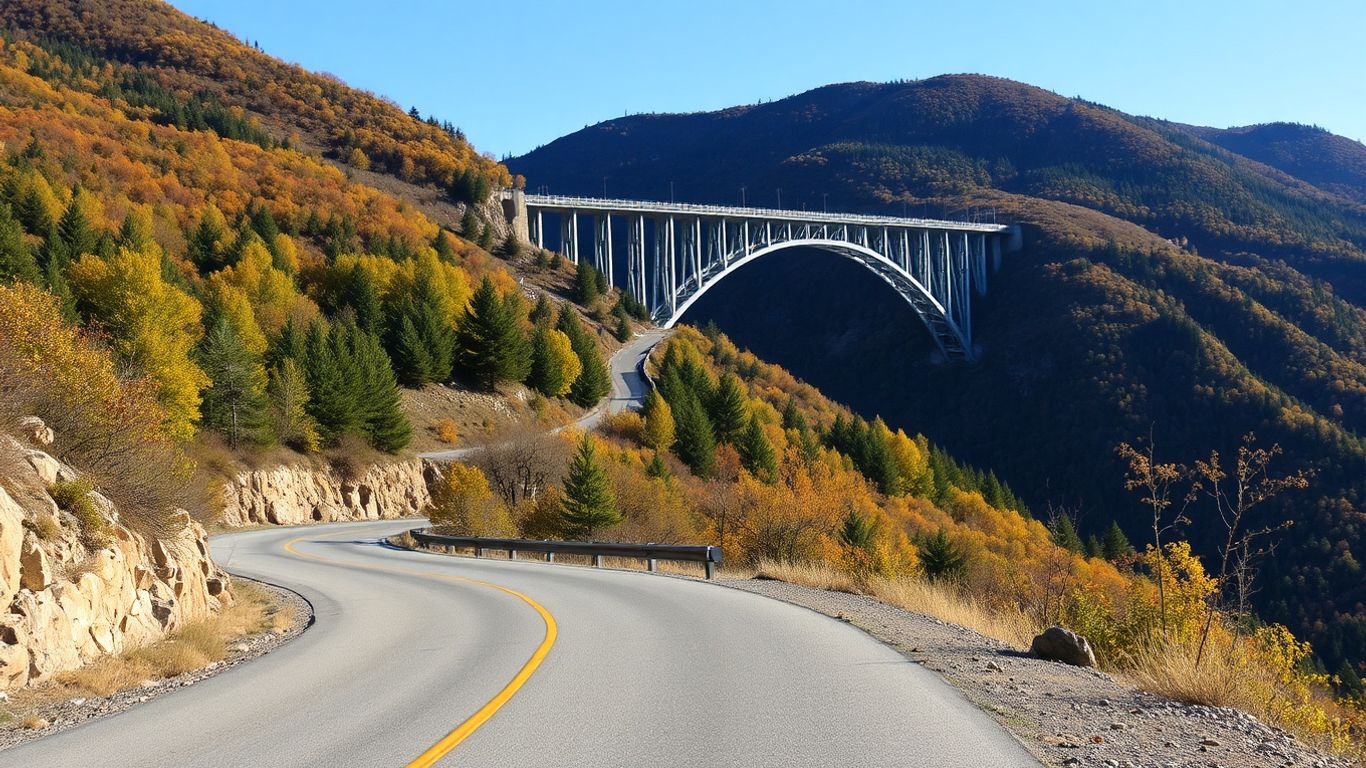
Mountain road in summer

Finding the right vehicle for a mountain adventure is straightforward when you utilize centralized comparison platforms. By aggregating options from numerous suppliers, DiscoverCars allows you to filter by specific criteria such as transmission type, engine strength, or vehicle class, ensuring you get exactly what you need for safety and comfort.

Using platform filters to find specific vehicle types

Narrowing your search according to your specific needs prevents unpleasant surprises upon arrival. You can select parameters for cargo space or all-wheel drive, ensuring the car is capable of handling the elevation changes common throughout the Tennessee and North Carolina border regions.

Leveraging price alerts for peak season travel

During busy autumn months, rental costs can fluctuate rapidly based on visitor demand. Setting up notifications for price changes through your booking service helps you identify the most cost-effective moment to lock in your reservation before inventory tightens.

Evaluating rental provider ratings within the platform

User feedback provides essential context about the reliability of different agencies in the region. By reviewing past customer experiences, you can see if a specific provider is known for efficient checkout times or transparent communication regarding deposits, which helps you avoid stress when you pick up the keys.

Strategic pickup locations for your Great Smoky Mountains adventure

Deciding where to collect your vehicle involves weighing the cost of airport accessibility against the charm of local rental offices. While major hubs offer more choices, they also tend to be subject to higher facility fees compared to smaller, regional sites near the park entrance.

Renting from McGhee Tyson Airport

Collecting your car at the nearest major airport is usually the most efficient choice for travelers flying into the region. You will find a wide variety of rental desks under one roof, typically with the most extensive inventory and flexible hours, which is helpful if your flight arrives late in the day.

Considering car rental options in Gatlinburg or Pigeon Forge

Some travelers prefer picking up near their vacation rental, which can save time on drive transitions if they plan to arrive via other transport methods. Local offices often provide more personalized service and may have unique stock, though selections can be more limited during peak visitor cycles.

Balancing pickup convenience against potential geographic fees

Choosing the right location requires understanding the local cost structure. The following table illustrates typical factors to consider when comparing your rental options across different sites.

Location Type Inventory Size Average Price Service Convenience
Major Airport High Moderate Very High
City Office Moderate Variable Moderate
Park Gateway Low Higher High

Carefully comparing these trade-offs before confirming your booking helps ensure your budget stays on track for the rest of your trip.

DiscoverCars.com

Matching your vehicle to Smoky Mountains terrain

SUV on winding mountain roads

Selecting a vehicle that matches your expected terrain is a critical choice for stress-free travel through the Smokies. The roads here are famously tight and prone to sudden grade changes, meaning your choice of engine and drivetrain matters just as much as fuel economy.

Benefits of all-wheel drive for winding mountain roads

While standard sedans handle paved park roads well, all-wheel drive models provide extra grip on rain-slicked or leaf-covered hairpin turns. This additional traction offers peace of mind when navigating the famous turns of mountainous byways or if you find yourself on unpaved secondary access roads.

Comfort considerations for steep mountain grades

Long, steep descents place significant demand on a car’s braking system and transmission. Compact cars with smaller engines may strain during long climbs, whereas choosing a mid-size SUV ensures you have sufficient power to tackle elevation with ease.

Storage requirements for camping and hiking equipment

  1. Ensure the trunk space comfortably fits your boots and gear bags.
  2. Consider roof racks for bulky items like kayaks or specialized bikes.
  3. Verify cargo net availability to prevent gear from shifting on tight turns.
  4. Check that the interior seat configuration allows for extra equipment if needed.

Think about how much gear you are actually bringing and choose accordingly so your passengers are not cramped.

Essential insurance options for mountain travel

Insurance is the backbone of a worry-free rental experience, particularly when driving through variable weather and mountainous environments. Understanding exactly what is covered by your agency versus your personal policy prevents financial headaches in case of minor road incidents.

Understanding collision damage waivers for remote driving

Collision damage waivers limit your financial liability if the vehicle sustains damage while under your care. Given the narrow nature of many scenic roads in this national park, having this protection in place allows you to focus on the scenery rather than the potential cost of small scrapes or bumper bumps.

Coverage requirements for potential road debris

Mountain travel often involves loose rocks or branches that can cause cosmetic damage. Standard insurance might not always include full coverage for such occurrences, so reviewing the policy details to see if windshield or tire damage is explicitly included is a smart move.

Comparing personal credit card coverage versus agency plans

Many credit cards offer secondary coverage for travel rentals, but the terms can be complex regarding exactly what is included. Always verify the limits of your own card versus the supplemental policies provided by DiscoverCars to see if you have sufficient protection before you arrive at the rental desk.

Smart strategies for saving on the Great Smoky Mountains car rental

Saving on your transportation allows you to divert more funds toward local experiences and restaurants near the park. A little proactive planning regarding your reservation timing can lead to significant cost variances.

Booking during the off-season to avoid surge pricing

Visitor numbers plummet significantly in the winter months, and savvy travelers can take advantage of the resulting low demand. During these quieter periods, rental agencies often lower prices across the board to attract business, which makes it an ideal time to secure a deal.

Minimizing costs with early bird reservation windows

Securing your rental weeks or months in advance is almost always cheaper than waiting until the last minute. DiscoverCars effectively highlights how advance planning allows you to lock in base rates before the peak travel surge renders affordable vehicles scarce.

Identifying potential hidden local fuel or service surcharges

Double-check your booking terms for any unexpected fees, such as local rental taxes or mandatory fuel service charges. Staying aware of these upfront ensures you know the total cost of your Great Smoky Mountains car rental before you finalize the transaction, leaving you with no surprising expenses at the end of your adventure.

Conclusion

Choosing the right rental car transformed your journey into a seamless exploration of one of the most stunning national parks in the country. By comparing your options early, picking the right vehicle for the unique Smokies landscape, and securing appropriate insurance, you have paved the way for an unforgettable trip where the only thing you have to focus on is the beauty of the trails ahead.

Ready to compare Great Smoky Mountains rental prices?

Check live prices on DiscoverCars →

Frequently Asked Questions

Do I need a four-wheel drive vehicle to explore the Smokies?

Most paved roads within the national park are well-maintained and accessible with a standard sedan or crossover. A four-wheel or all-wheel-drive vehicle is strictly necessary only if you plan to venture into specific backroads, encounter severe weather, or prefer the added stability on particularly steep, winding inclines.

Are there rental car pickup locations directly inside the park?

No, there are no car rental agencies located within the boundaries of the national park itself. You will need to arrange for your vehicle pickup in one of the surrounding gateway towns such as Gatlinburg, Pigeon Forge, or at a nearby regional airport like McGhee Tyson.

Is it better to book my rental car months in advance?

Booking in advance is highly recommended to secure your preferred vehicle class and the best possible rate. Since inventory in this popular region can be limited during peak summer and autumn months, arriving without a confirmed reservation often leads to limited choices and higher prices.

What documents do I need to present at the rental desk?

In addition to a valid driver’s license from your home country, you will need to provide a credit card in the primary driver’s name to cover the security deposit. If you are an international traveler, carrying an International Driving Permit along with your domestic license is also an essential safety practice.

Are there young driver fees in this region?

Many rental agencies charge an additional daily surcharge for renters under the age of 25. These fees are designed to cover the insurance risk associated with less experienced drivers, so be sure to check the specific policy terms when reviewing your quote.

Can I cross state lines with my rental car?

Yes, most rental agencies within the area allow you to drive across state lines freely, as the Smokies straddle both Tennessee and North Carolina. However, you should always inform the agency of your travel plans during the booking process to ensure any multi-state agreements are noted on your rental agreement.

How does a rental car deposit work?

When you collect your car, the agency will place a temporary hold on your credit card to ensure funds are available for potential damages or fuel charges. This amount is released once you return the car in the pre-agreed condition, but it can take a few business days for the hold to reflect accurately on your bank statement.

Disclosure: This article contains affiliate links. If you book through them, we may earn a commission at no extra cost to you. This helps support our free guides.
DiscoverCars Joshua Tree: Joshua Tree Car Rental Guide

DiscoverCars Joshua Tree: Joshua Tree Car Rental Guide

Key Takeaways

A rental vehicle is essential for visiting Joshua Tree National Park due to the absence of public transit and the vastness of the terrain. Use these core strategies to plan your high desert road trip effectively.

  • Renting a vehicle provides the freedom to explore remote park trails at your own pace.
  • Booking ahead helps secure better rates and ensures vehicle availability during busy seasons.
  • Palm Springs International Airport is the most convenient major pickup point for travelers.
  • Most park roads are well-maintained, meaning a standard sedan is usually sufficient for navigation.
  • Comparing rental options online helps avoid hidden fees and manages total trip costs.
DiscoverCars.com

Why you need a rental car for Joshua Tree

Exploring the expansive landscape of this national park requires reliable transportation to move between distinct desert ecosystems. Without a personal vehicle, you are effectively stranded, as the major attractions are spread out over hundreds of square miles.

Navigating the vast park layout

The park features three entrances, with dozens of miles between popular rock formations and vista points. Navigating this spread-out layout is much easier with your own set of wheels, allowing you to maximize your limited daylight hours efficiently.

Accessing remote trailheads and viewpoints

Reaching hidden gems like the Barker Dam or the Cholla Cactus Garden requires driving deep within the park boundaries. Having your own rental means you can avoid the constraints of group tours and spend as much time as you want at quiet, remote viewpoints.

Overcoming the lack of public transportation in the high desert

Public transit is virtually nonexistent in the high desert, making independent travel a necessity for most visitors. Relying on rideshares is impractical given the lack of cellular service in many areas of the park, which makes arranging return transportation nearly impossible without your own vehicle.

Using DiscoverCars for your Joshua Tree adventure

Desert landscape road trip

Finding the right transport can be simplified by using a reliable comparison tool to look at different suppliers. Many travelers turn to professional platforms to streamline the booking process.

How the platform compares rental prices

When you use DiscoverCars to search for your vehicle, you get a full view of available rates from multiple agencies. Comparing these transparent prices upfront helps you spot the best value for your specific travel dates.

Benefits of booking in advance for peak seasons

Securing your reservation early is vital, especially during high-demand months in spring and fall. By finalizing your choice on DiscoverCars well before your trip, you lock in current rates and avoid the drastic price hikes often seen as availability declines.

Utilizing search filters for specific vehicle types

Most travelers need specific features, such as air conditioning or trunk space for gear. You can easily filter results on the site to prioritize fuel-efficient sedans or spacious SUVs, ensuring your rental perfectly matches your travel requirements.

Best locations to pick up your rental

Choosing where to secure your keys can significantly impact your convenience and travel costs. Evaluating the distance from your arrival point to the desert entrance is the first step in planning.

Flying into Palm Springs International Airport (PSP)

Most visitors choose to fly into the regional airport closest to the desert. This hub offers the most centralized access to major rental agencies and is only about an hour’s drive from the northern boundary of the park.

Rental options in the Morongo Basin area

Local rental offices in cities like Yucca Valley provide an alternative if you are already in the area. This can be convenient if you are combining your trip with other California adventure plans but often comes with smaller local fleets.

Weighing the pros and cons of airport vs. local pickup

Deciding between a regional airport or a local office depends on your arrival logistics. The following table summarizes typical considerations for both options:

Location Type Pros Cons Availability
Airport Largest selection Surcharge fees High
Local Office Lower daily rates Limited fleet Medium
City Hub Flexible pickup time Extra travel time Varies

Selecting a location is a trade-off between the ease of picking up right at the gate and the potential savings found at smaller local lots.

DiscoverCars.com

Choosing the right vehicle for the desert

SUV on desert road

Picking the ideal car depends on your planned routes and the time of year you intend to visit the high desert. While the terrain might look rugged, standard vehicles handle the majority of paved park roads with ease.

Sedans versus crossovers for park roads

For most visitors, a standard sedan is perfectly functional for visiting the primary points of interest along the park’s main loops. Crossovers offer a bit more ground clearance if you plan to visit spots with slightly rougher access roads, but specialized off-road vehicles are rarely required.

Comfort and climate control considerations

Desert temperatures can become extreme, making an efficient climate control system non-negotiable. Inspect your rental upon pickup to ensure the cabin cooling performs reliably, as you will rely on it during long, sun-drenched afternoons.

Understanding fuel capacity and gas station proximity

Gas stations are sparse once you get into the Mojave wilderness, so you must monitor your fuel levels closely. It is wise to fill your tank in towns like Twentynine Palms or Joshua Tree before heading into the park, as gas prices inside the park entrances are higher.

Driving tips and safety in Joshua Tree

Safe desert driving requires preparation and a proactive attitude about your vehicle’s condition. You are responsible for your own safety in these remote environments.

Navigating areas with limited cellular service

Cell service disappears quickly as you enter the park, which makes relying on live GPS navigation risky. It is best to download offline maps or bring a physical road atlas to ensure you can navigate the park loops without interruption.

Understanding restrictions on off-road driving

Most rental contracts explicitly prohibit off-road driving, meaning you must stick to established paved roads. Venturing onto sand or rocky trails risks damaging the vehicle and invalidating your insurance coverage.

Managing vehicle safety in extreme desert weather

Heat can cause unexpected tire wear or cooling system stress, regardless of the vehicle model. You should plan your drives during cooler morning or evening hours to reduce the strain on your engine and improve overall safety.

Cost-saving strategies for your rental

Financial planning for a rental often involves navigating various confusing fees and insurance policies. Informed travelers can minimize their expenses by following a systematic approach to booking.

Avoiding airport concession and surcharge fees

Airport locations often pass along hefty concession fees to the renter, increasing the daily total significantly. Checking the costs for off-airport locations through DiscoverCars can sometimes reveal lower base rates, saving you money for other parts of your national parks travel budget.

Evaluating third-party versus agency insurance coverage

Many travelers decide to waive agency insurance in favor of third-party plans because they often provide more affordable premiums. Always double-check your own credit card’s rental coverage benefits before adding extra protection to your reservation.

Understanding mileage limits for desert exploration

Reviewing your rental agreement for mileage caps is a critical, often-overlooked step. Some local providers place strict limits on how far you can drive, which could be an issue if you plan a long road trip or visit nearby landmarks beyond the park boundaries. Consider these factors:

  1. Check if the rental contract includes unlimited mileage.
  2. Inquire about fees for exceeding specific daily thresholds.
  3. Keep track of your odometer readings throughout the journey.

Following these steps ensures that you are aware of your financial obligations before you even arrive at the pickup counter.

Conclusion

Securing a rental vehicle transforms your visit to Joshua Tree from a logistics challenge into a seamless desert exploration. By utilizing comparison tools like DiscoverCars, selecting the appropriate vehicle for the park roads, and staying mindful of local driving conditions, you gain the freedom to experience the vibrant, sun-baked landscape at your own pace. With proper planning and a focus on essential safety, your trip across the high desert becomes an unforgettable personal adventure.

Ready to compare Joshua Tree rental prices?

Check live prices on DiscoverCars →

Frequently Asked Questions

Is a dedicated off-road vehicle necessary for the park?

No, standard sedans and crossovers are sufficient for almost all paved park roads found inside the national park boundaries.

Do I need a specialized international driving permit?

Visitors with a valid domestic license in English generally do not need an international permit, but it is best to verify local requirements if your license is from outside the US.

How early should I book to get the best rate?

Booking at least two to four weeks in advance is recommended to ensure better pricing and a wider selection of available vehicle categories.

Are there any hidden costs I should watch for?

Common additional charges include young driver surcharges, fuel replacement fees for returns that are not full, and extra equipment charges like child safety seats.

Can I drive my rental car to other nearby deserts?

Most rentals allow travel across state lines, but you must inform the agency of your travel itinerary when booking to ensure your contract covers the usage.

What should I do if my car breaks down inside the park?

If you have coverage, contact the emergency assistance number provided in your rental agreement immediately, as mobile service will be limited in many park canyons.

Is it better to rent near the airport or in town?

Airport locations offer convenience, but town locations often provide lower rates despite the small extra transportation effort to reach the office.

Disclosure: This article contains affiliate links. If you book through them, we may earn a commission at no extra cost to you. This helps support our free guides.
DiscoverCars Death Valley: Death Valley Car Rental Guide

DiscoverCars Death Valley: Death Valley Car Rental Guide

Key Takeaways

Death Valley National Park requires personal transportation to fully explore its vast expanse. This guide outlines how to streamline your journey using reliable tools and preparation methods.

  • Renting a vehicle provides the autonomy needed to reach remote basin viewpoints.
  • Using online comparison platforms helps secure the best rates for your desert excursion.
  • Choosing the correct vehicle class impacts your ability to traverse unpaved backcountry roads.
  • Picking up your rental at a major gateway airport often offers better inventory and pricing.
  • Proper insurance and fluid checks are non-negotiable for a safe trip in extreme heat.
DiscoverCars.com

Why you need a rental car for Death Valley

Planning a trip to Death Valley National Park requires careful thought since there is no public transit available inside the park. A rental car is essential for independent exploration, allowing visitors to travel between distant landmarks at their own pace without depending on rigid transport services. By choosing to drive yourself, you gain the freedom to stay as long as you like at iconic spots like Zabriskie Point or Mesquite Flat Sand Dunes.

The vast scale of the park

Death Valley covers over 3 million acres, making it the largest national park in the contiguous United States. To see the highlights from north to south, visitors must cover significant distances on roads that offer little to no cellular reception. Having your own set of wheels ensures you are not stranded and can manage your schedule effectively.

Limitations of guided tours

Guided tours often restrict sightseers to pre-determined routes and timeframes, which can limit your opportunity for photography or leisurely hiking. By relying on a personal vehicle, you avoid the constraints of group travel and can pivot your itinerary based on weather, road conditions, or personal preference. This flexibility is the most convenient travel method for anyone looking to engage deeply with the desert landscape.

Accessing remote points of interest

Many of the most breathtaking areas in the park, such as the Racetrack Playa, are located far from the main tourist hubs. Accessing these points often requires a reliable vehicle that can handle the specific conditions of the environment. Without a private vehicle, you would miss out on the solitude and raw beauty of these quieter corners of the park.

Leveraging DiscoverCars for your trip

Desert landscape road

Navigating the rental process can be daunting given the variety of suppliers and changing price points. Utilizing a comprehensive comparison site like DiscoverCars allows you to see all-in pricing, which includes taxes and fees that might otherwise be hidden until the last moment. This transparency ensures that you can book your reservation with confidence, knowing exactly what to expect before you arrive at the pickup counter.

Comparing rental agencies efficiently

Searching on a centralized platform lets you view multiple companies side-by-side, helping you identify which providers offer the best value for your specific dates. Instead of hopping between individual agency websites, you can cross-reference policies, requirements, and vehicle classes in one unified view. This approach saves significant time and helps you avoid overpaying for standard rental models.

Filtering for specific vehicle types

When searching for a vehicle, it is crucial to use the available filter tools to select the exact features you need for your desert trip. You can narrow down results based on transmission type, air conditioning availability, and high-clearance capacity to ensure your car is suited for the terrain. This precision reduces the risk of arriving at the airport to find that the inventory lacks the capability required for your planned route.

Managing bookings and cancellations

An online dashboard provides the flexibility to monitor your reservation and adjust plans if your travel schedule changes. Many bookings on comparison sites offer clear cancellation policies, allowing you to secure a car early when prices are typically lower while maintaining the ability to cancel if plans evolve. This peace of mind is invaluable when coordinating complex road trip logistics across multiple states.

Choosing the right vehicle for the desert

Selecting the right car is the single most important decision for a successful desert driving experience. Weather changes and the variety of road surfaces mean that your vehicle must be up to the task of handling both extreme heat and potential gravel sections. Being prepared ensures your trip remains focused on adventure rather than maintenance concerns.

Standard sedans for paved main roads

For travelers sticking to the main highways and popular visitor areas, a standard sedan is usually sufficient. These vehicles are fuel-efficient and easy to handle on the well-maintained asphalt found at primary landmarks. They provide enough space for luggage while keeping your rental costs reasonable.

SUVs and 4WD for backcountry trails

If your itinerary involves exploring the deeper parts of the park, you will need a more robust vehicle to ensure safety. The following table identifies which vehicle categories are best suited for typical park road conditions:

Vehicle Type Recommended Terrain Best For
Economy Sedan Paved Highways Budget travelers
Mid-size SUV Paved and well-graded gravel Comfort and space
4WD Jeep Backcountry and unmaintained trails Rugged terrain access

Using an SUV or 4WD vehicle provides the necessary clearance to navigate sharp rocks and deep sand during your adventure. These models are essential if you plan to visit remote locations where road maintenance is minimal.

Considering fuel efficiency and tank range

Distances between gas stations in the desert can be vast, meaning your vehicle’s range is a critical safety consideration. You should always monitor your fuel levels and follow these simple steps to ensure you do not run out of gas between stops:

  • Keep your tank at least halfway full at all times when driving in remote zones.
  • Plan your route to include scheduled stops at identified service stations.
  • Carry an extra container of water in case your vehicle experiences overheating.
  • Drive at consistent speeds to increase your actual fuel economy.

By being mindful of your vehicle’s efficiency, you can explore safely without the stress of suddenly finding your needle on empty.

DiscoverCars.com

Pickup strategies: Las Vegas versus local options

Empty desert highway

Finding the right place to secure your car can significantly affect your overall travel cost. While there are some options near the park boundary, arriving at a major airport usually gives you better leverage. Choosing the right pickup point is a key part of your Death Valley car rental strategy.

Taking advantage of competitive rates at Harry Reid International Airport

Las Vegas provides an extensive inventory of rental cars, which drives prices down due to high competition among agencies. Because so many tourists use this hub to reach nearby SunDrive destinations, you can often find better rates and a wider selection of available vehicle makes and models than at smaller, isolated locations.

Understanding the limited rental car inventory near the park

Options directly adjacent to the national park are quite restricted compared to larger city hubs. Renting locally might feel convenient in theory, but it often leads to limited availability and higher prices for standard vehicles. Reliance on local inventory creates risk, especially during peak visitor seasons when supply is quickly exhausted.

Balancing driving time with logistical savings

Driving from the airport is a manageable trip that allows you to see the changing landscape as you approach the desert floor. Weighing the cost of a longer drive against the significant savings in rental rates often reveals that taking a car from a major city is the most economically sound decision. You save on rental base rates while also having the flexibility to stock up on supplies in a city before heading into the wilderness.

Essential preparation and safety tips

Safety is the absolute priority when crossing the hot desert plains of Death Valley. Even if your car is in good condition, the environment places significant stress on mechanical components. Performing a proactive check of your rental before leaving the lot can prevent frustration later on.

Checking fluid levels and tire pressure before departure

Before heading onto the open road, take a few minutes to walk around the vehicle and check the tires. Ensure that the pressure is set to the manufacturer’s recommendations and verify that the engine coolant, oil, and windshield washer fluid are filled. These small steps prevent common breakdown issues during your excursion.

Planning for extreme desert heat and cooling system stress

High temperatures can cause engines to work harder than they do in mild climates. Monitor your dashboard gauges closely, especially when ascending mountain passes or idling in traffic during the hottest part of the day. Turning off the air conditioning for short periods if the engine temperature spikes can help provide the cooling system with a necessary buffer.

Locating fuel stations throughout the park

Fuel is limited inside the park boundaries, and stations are often quite far apart. You should map out where you plan to get gas before you enter the park. Do not wait for your fuel light to come on, as the nearest station may be over fifty miles away on a remote road without signal or passersby.

Understanding rental insurance and rental agreements

Rental agreements can have specific clauses regarding where the car can be driven, which is critical in a park with so many unpaved roads. Understanding what your policy covers will prevent you from being hit with unexpected costs if something goes wrong. Always read the fine print regarding off-road restrictions to ensure you remain fully covered.

The importance of confirming unlimited mileage

Driving in rural parks involves covering long distances, so confirming that your contract includes unlimited mileage is highly recommended. This ensures you can explore the park’s perimeter and its many separate attractions without worrying about per-mile charges. Check the details of your agreement on your booking platform to verify your terms.

Evaluating collision damage waivers for remote driving

Many standard insurance policies do not cover damage that occurs on unpaved roads or in isolated areas. Evaluating the collision damage waivers offered by your rental agency is important for peace of mind. Some premium plans or credit card protections might also provide extra layers of coverage, but it is important to confirm what is explicitly excluded.

Protocol for vehicle breakdowns in areas without cell service

If you find yourself in a situation where the car won’t start and you have no cell signal, stay with your vehicle. Most rental agencies require you to contact their roadside assistance line, but in the desert, this is not always possible immediately. Carrying a physical map of the area and letting a friend know your planned return time is vital for your safety.

Conclusion

Exploring Death Valley is a rewarding experience that requires careful preparation and the right tools for the job. By choosing to arrange your transport through a reliable comparison service, you can focus on the unique geology and beauty of the park while avoiding common rental pitfalls. With a capable vehicle and a solid plan in place, your self-drive desert adventure is sure to be one for the books.

Ready to compare Death Valley rental prices?

Check live prices on DiscoverCars →

Frequently Asked Questions

Which vehicle is best for Death Valley?

For the main paved roads, a sedan is perfectly fine, but an SUV is highly recommended if you wish to access more remote canyons or gravel trails.

Do I need four-wheel drive for the park?

Most primary tourist highlights are accessible with standard two-wheel drive vehicles, though 4WD is necessary for accessing remote, unmaintained backcountry roads.

Is it safe to enter the park with a rental car?

Yes, it is perfectly safe as long as you stay on marked roads, monitor your fuel levels, and remain aware of the vehicle’s limitations in extreme heat.

When is the best time of year to visit?

The desert is best explored from late autumn through early spring when temperatures are moderate, as summer heat can become dangerous for both drivers and vehicles.

How far are the gas stations in the park?

Service stations are sparse, with distances between them often exceeding 40 to 60 miles, so it is safer to ensure your tank is always at least half-full.

What should I do if I get a flat tire on a dirt road?

If you encounter a flat, move the vehicle to a safe spot, use your spare tire, and carefully drive to the nearest service point, as you may be responsible for the cost of repair.

Can I take my rental outside of Nevada?

Most rental contracts allow for travel across state lines, but you should always check the terms of your specific rental agreement regarding cross-border driving.

Disclosure: This article contains affiliate links. If you book through them, we may earn a commission at no extra cost to you. This helps support our free guides.
DiscoverCars Sequoia: Sequoia National Park Car Rental Guide

DiscoverCars Sequoia: Sequoia National Park Car Rental Guide

Key Takeaways

This guide offers essential advice for planning your visit to one of California’s crown jewels, ensuring you have the right transportation for navigating rugged mountain terrain. Effective preparation helps you avoid common pitfalls and make the most of your national park adventure.

  • Renting a vehicle is vital for exploring areas without public transit.
  • Fresno and Visalia serve as the most convenient gateway airport locations.
  • Choosing an SUV improves safety and comfort on steep, winding roads.
  • Booking with DiscoverCars provides transparent comparisons for all major rental agencies.
  • Always carry tire chains in winter to comply with park regulations.
DiscoverCars.com

Why you need a rental car for Sequoia National Park

Independent travel remains the most effective way to experience the high-elevation beauty of the Southern Sierra. A personal vehicle allows you to bypass the constraints of crowded group tours and navigate the region on your own timeline.

Accessibility of park terrain

Public transportation does not reach the deepest parts of the park, especially the remote scenic overlooks located well beyond the main entrance gates. Having your own set of wheels is the only way to reach isolated viewpoints and trailheads at your own pace. If you are starting your journey from major transit hubs in the state, you can find a California car rental through reliable comparison platforms to ensure you have a dependable vehicle for the trip.

Limitations of public park shuttles

While shuttle systems exist during peak summer months to reduce traffic inside the Giant Forest, they are restricted to specific, high-traffic corridors. Relying solely on these services limits your movement to fixed schedules and predefined stops, preventing you from visiting neighboring regions or secondary trailheads. Many visitors find that a private vehicle offers the necessary freedom to explore more expansive areas of the park without waiting for bus synchronization.

Flexibility for visiting nearby attractions

Beyond the park borders, the surrounding national forests and town centers offer culture and dining opportunities that are inaccessible without a car. Flexibility allows you to chase weather patterns or sudden changes in park conditions, ensuring you never miss a highlight. For those looking to connect their journey with other regional landmarks, using a national parks road trip guide can help you map out a seamless route across the state.

Best pickup locations for visiting Sequoia

Selecting the right rental hub significantly impacts how quickly you reach the park gates. While many travelers fly into larger metropolitan areas, proximity to the mountain foothills saves hours of drive time and helps conserve fuel before you even hit the trails.

Scenic mountain road leading to Sequoia

Renting from Fresno Yosemite International Airport

Flying into Fresno provides the most direct transition from air travel to the highway, placing you within a two-hour drive of the park entrance. This airport features a concentration of major rental desks, making it highly efficient to pick up your vehicle immediately upon arrival. Travelers can easily compare rates and vehicle categories online to secure a ride that handles mountain grades reliably.

Options in downtown Visalia and Fresno

If you prefer to spend time in a city before heading to the mountains, downtown rental locations offer great alternatives to airport counters. These offices often have varied inventory, allowing for potentially cheaper rates if you plan to stay a few nights in a local hotel. Consider these factors when choosing a spot:

Location Type Pros Best For
Airport Immediate access Short trips
Downtown Lower base rates Multi-day visits
Local City Better availability Large SUVs

Benefits of picking up in major cities like Los Angeles

Starting your trip in a major coastal city lets you experience the broader California landscape before reaching the high country. While the drive is longer, it allows for a more varied itinerary that encompasses cultural sites near the coast before hitting the mountains. Always review DiscoverCars listings for one-way rental options if you plan to drop off your vehicle in a different city.

Selecting the right vehicle for mountain driving

Driving through the Sierra Nevada involves confronting steep, continuous grades that test both the engine and braking systems. Choosing a vehicle that offers higher clearance and improved handling is a smart precaution for safety.

Advantages of SUVs and four-wheel drive

Using an SUV provides increased visibility and better stability on twisting, narrow highways. Four-wheel drive capability is particularly helpful when navigating steep switchbacks or occasional slick road surfaces, providing extra grip where a standard sedan might struggle. For many, this investment in vehicle class is a small premium to pay for peace of mind while driving through challenging, remote mountain passes.

Handling steep grades and winding roads

Drivers should be prepared for roads that are narrow and unforgiving, requiring constant attention. The following steps help manage vehicle strain on long descents:

  • Use low gear settings to manage speed on downhill sections.
  • Avoid riding the brakes, which can cause them to overheat.
  • Monitor tire pressure regularly as temperatures change with elevation.
  • Keep a steady pace to maintain engine efficiency on incline climbs.

Passenger comfort for long scenic drives

Comfort is essential when you have several hours of mountain driving ahead of you. Choosing a model with adequate legroom and ergonomic seating helps passengers stay refreshed throughout the day. When booking, filters allow you to prioritize spacious vehicles that accommodate both your party and all your outdoor equipment, ensuring your journey remains enjoyable rather than exhausting.

DiscoverCars.com

Booking with DiscoverCars for your trip

Managing your rental experience requires a platform that prioritizes clarity and comprehensive supply data. Utilizing a service that centralizes these options helps you avoid administrative headaches during your vacation.

Couple checking rental car at sunset

Comparing rental agencies and pricing transparency

Finding a trustworthy agency is easier when you can compare multiple suppliers at once. By using DiscoverCars to assess total rental costs, you avoid surprise fees that often appear at the final checkout. This transparency is crucial for maintaining a travel budget, particularly when planning extended trips through multiple park locations.

Utilizing filters for specific vehicle needs

Specific needs, such as trunk space for camping gear or child seats for young travelers, should be addressed before you arrive at the counter. Effective filtering tools enable you to select exactly what you need without paying for unnecessary add-ons. You can refine your search by vehicle transmission, size, and fuel type to align with your specific travel requirements.

Understanding rental policy variations and cancellation terms

Policy terms like fuel requirements and mileage limits vary wildly between agencies and should be examined carefully. Understanding these details before signing a contract saves significantly on potential penalties. Always verify the cancellation terms, as mountain travel plans are often subject to sudden weather-related rescheduling.

Essential preparations and driving tips

Preparation for mountain driving goes beyond simply securing the keys. Understanding how your vehicle performs in thin air and variable weather is critical for a smooth experience.

Checking vehicle maintenance before departure

Always ensure that basic items like wiper fluid, tire tread, and engine fluids are checked if you are using your own vehicle. For rentals, perform a quick walk-around during pickup to verify the condition of the tires and lighting. A well-maintained vehicle is significantly more likely to handle the rigors of mountain gradients without technical issues.

Packing tire chains for winter travel

Even if the forecast shows clear skies, the park may mandate that you carry snow chains during the winter and early spring. Failure to have these items can lead to denied entry if conditions suddenly shift. Research the specific requirements for the roads you plan to travel, as chains are occasionally required even for vehicles with 4WD or snow-rated tires.

Managing fuel economy in mountain terrain

Mountain driving naturally consumes more fuel due to the constant engine load required for climbs. Plan your route to ensure you have enough range before heading into the park, as gas is NOT sold within the park boundaries. Always top off your tank in the last town before the entrance to ensure you have a sufficient buffer for returning to civilization.

Seasonal considerations for car rental

Timing your visit impacts both the road conditions you will face and the availability of vehicles. Understanding these nuances helps you secure the best deal and time your trip for maximum enjoyment.

Winter driving conditions and road closures

Winter brings the beauty of deep snow, but it also forces the closure of higher-elevation roads like the Crescent Meadow spur. Expect restricted access and mandatory carry-on chains on all routes throughout the park. Always check the official NPS website for real-time information on road status before leaving your accommodation.

Summer peak season demand and vehicle availability

Summer is the busiest time of year, leading to shortages in preferred high-clearance vehicle models. Booking your rental several weeks in advance is essential to ensure you receive the class of vehicle you desire. Early booking also typically secures lower pricing compared to last-minute reservations made during the heat of the travel season.

Shoulder season perks and rate fluctuations

Spring and fall offer unique advantages, such as milder weather and smaller crowds, which often result in better rental rates. These periods often see increased availability, giving you more flexibility in your vehicle choice. Monitoring rates through DiscoverCars during these months can often lead to significant savings compared to summer peak prices.

Conclusion

Preparing for your Sequoia journey requires careful planning, but taking the time to arrange the right vehicle and understand local driving conditions ensures your trip remains focused on the magnificent giant sequoias. By utilizing clear rental comparisons and keeping these essential travel tips in mind, you will navigate the Sierra Nevada mountains with confidence and ease.

Ready to compare Sequoia rental prices?

Check live prices on DiscoverCars →

Frequently Asked Questions

Do I need a four-wheel-drive vehicle to visit Sequoia National Park?

While a standard sedan is capable of driving the primary paved roads during summer, a four-wheel-drive vehicle is strongly recommended for improved traction and stability on steep, narrow, and winding grades.

Can I rent a car directly inside the national park?

No, there are no car rental agencies located within the boundaries of the park, so you must secure your vehicle at an airport or city location before entering the mountain regions.

Are there gas stations available within the park limits?

Gas stations are not available within the national park, necessitating that you fuel your vehicle in the gateway towns like Three Rivers or Fresno before starting your ascent.

What should I do if I am traveling with a large RV or trailer?

Be aware that many roads in the park have strict length limits, and certain sections are not advised for vehicles over 22 feet in length, so choose your entry point and route with extreme caution.

When is the best time to visit to avoid the largest crowds?

Visiting during the shoulder seasons of late spring and early autumn allows you to enjoy the park with significantly lower visitor numbers compared to the peak summer months.

Is it necessary to carry tire chains even without snow?

Yes, it is often a legal requirement to carry chains in your vehicle during the winter season, even if the road currently appears clear, as weather conditions can change rapidly in the mountains.

How does elevation affect driving performance?

High elevation can cause engines to lose some power and may impact your fuel efficiency, so it is important to drive intentionally and avoid abrupt acceleration on inclines.

Disclosure: This article contains affiliate links. If you book through them, we may earn a commission at no extra cost to you. This helps support our free guides.
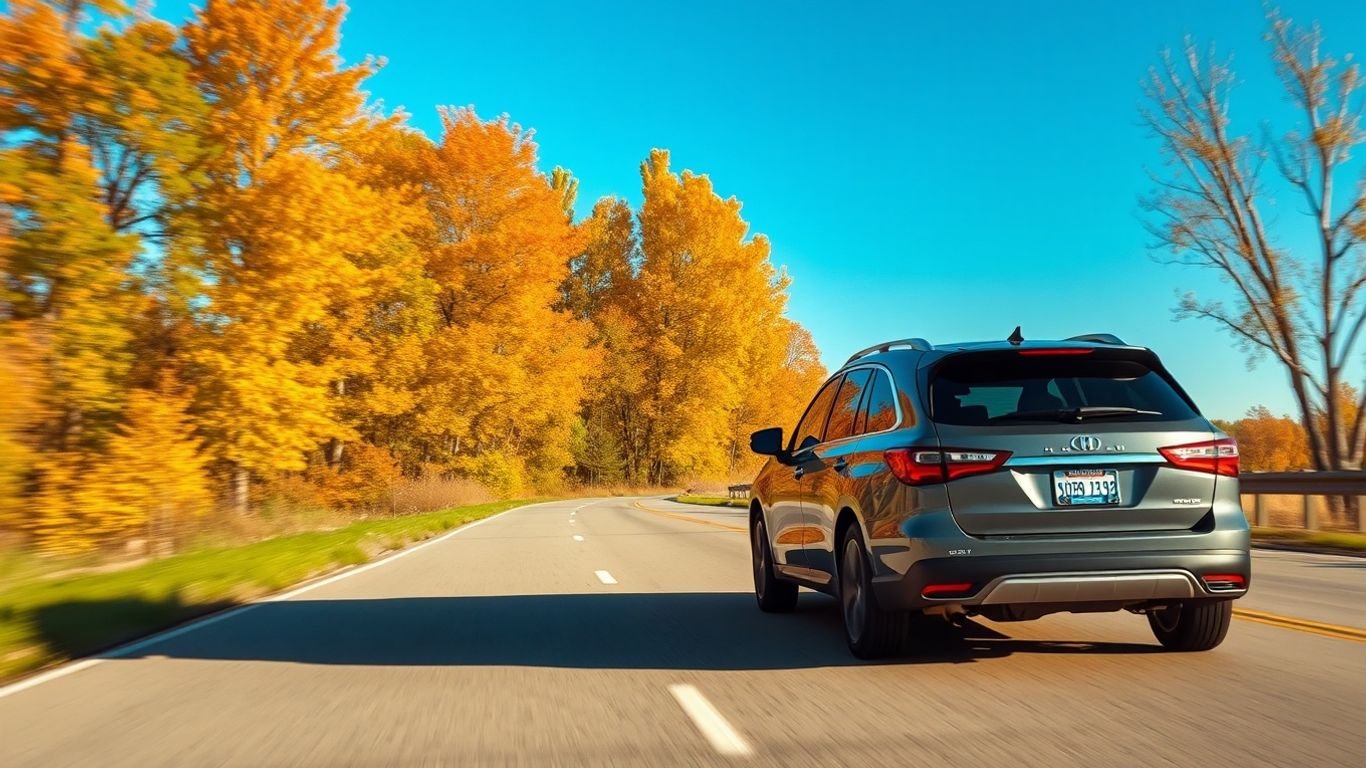
DiscoverCars Phoenix: Phoenix Car Rental Guide (2026)

DiscoverCars Phoenix: Phoenix Car Rental Guide (2026)

Key Takeaways

Planning your travel in Arizona becomes significantly smoother when you have reliable transportation mapped out from the start. These takeaways offer a brief summary of how to optimize your upcoming travel.

  • Use DiscoverCars to compare vehicle pricing from multiple rental agencies in one place.
  • Prioritize booking your vehicle well in advance to avoid high demand and seasonal price hiking.
  • Consider the specific demands of the Arizona desert when selecting vehicle classes like SUVs.
  • Always inspect your rental car for existing damage before driving off the lot to prevent headaches.
  • Familiarize yourself with local credit and debit card policies before arriving at the pickup counter.
DiscoverCars.com

Getting started with DiscoverCars in Phoenix

Setting up your trip starts with choosing the right mobility provider to handle the logistics of your visit. Many travelers appreciate the clarity of using a centralized comparison site to view all available options. By utilizing DiscoverCars, you can ensure that you see exactly what you are paying for, including any potential fees linked to the reservation.

How to navigate the booking platform

The interface is designed to be intuitive, allowing you to filter by specific vehicle types or pricing ranges. Once you enter your dates and pickup location, the system aggregates current inventory from various suppliers. This approach is essential for comparing rental agencies and finding a deal that matches your specific travel budget.

Comparing rental agencies in the Phoenix area

Phoenix features a wide array of rental providers, ranging from large national chains to smaller local outfits. It is often helpful to read supplier ratings on the DiscoverCars platform to gauge the quality of customer service and vehicle maintenance. Checking these details ahead of time allows you to make an informed decision for your Arizona road trip.

Managing your reservation online

Once a booking is confirmed, you can store your rental details in a secure dashboard. This digital organization makes it easy to track your booking dates, modify pick-up times, or update your driver information as needed. Keeping everything in one digital space is a practical way to stay organized throughout your journey.

Pickup locations and logistics in Phoenix

Rental car facility at Arizona airport

Navigating pickup logistics in a major metropolitan area requires knowing where to go upon landing. Phoenix Sky Harbor International Airport remains the primary hub for most visitors. Understanding the flow of the facility can save you time and reduce initial travel stress after a long flight.

Sky Harbor International Airport logistics

Most rental companies at the airport are consolidated in a separate center, accessible via a free, dedicated shuttle. Travelers arriving at the airport should follow signs for the rental car center after collecting their bags. This centralized airport hub integrates services from all major providers into one convenient location.

Off-airport rental locations

If you prefer to avoid the busy airport environment, there are several off-airport locations spread throughout the Phoenix metropolitan area. These sites often provide a more tailored service-oriented experience for locals or travelers staying in specific districts. Booking through DiscoverCars can quickly reveal these alternative sites alongside their respective distance from the airport.

Shuttle services and accessibility

Shuttles operate continuously, but it is wise to confirm the operating hours of your specific agency. Accessibility is a priority at the major rental hubs, with many providers offering customized services for travelers with specific mobility requirements. Always verify your rental company’s accessibility policies while making your initial reservation.

Choosing the right vehicle for Arizona geography

Driving through Arizona presents unique environmental factors compared to other regions. From dense city streets to vast, open highway stretches, the terrain demands a car that suits your intended route. Aligning your vehicle choice with your itinerary is a smart move for safety and comfort.

Fuel efficiency for city driving

For those spending most of their time in the Phoenix metropolitan area, a compact or mid-size sedan is often the most economical choice. These vehicles offer impressive fuel consumption ratings, making them ideal for urban stop-and-go traffic. You can evaluate various fuel-efficient models during your search to keep your gas expenses manageable.

SUVs for desert road trips

If your plans include driving to national parks or remote desert areas, an SUV provides better ground clearance and stability on uneven surfaces. Having more cabin space is also beneficial for long drives, especially when hauling gear for hiking or photography. Using a larger, versatile vehicle ensures you remain comfortable on unpaved roads and extended desert stretches.

Climate control features for Arizona heat

Arizona summers are notoriously hot, making a functional and efficient air-conditioning system a non-negotiable requirement. Before you commit to a rental, ensure that the vehicle comfort settings meet your needs for long hours on the road. The following table highlights common vehicle categories and their best uses for local travel.

Vehicle Type Recommended Use Key Benefit
Compact Sedan Urban Commuting Fuel Efficiency
Mid-Size SUV Desert Road Trips Ride Comfort
Full-Size Van Group Travel Passenger Capacity

Selecting the right model based on this breakdown helps ensure you enjoy your trip without technical or comfort-related setbacks.

DiscoverCars.com

Understanding rental requirements and insurance

Keys and rental documents on a desk

Rental agreements involve specific documentation that must be handled correctly to avoid service delays. You will need to have your physical driver’s license ready at the counter along with your reservation number to expedite the process. Understanding these mandates helps prevent common rental process issues before you ever reach the desk.

Driver license and age mandates

Most rental providers in Phoenix require a valid, government-issued driver’s license from your home country or state. Travelers under the age of 25 may face a "young driver" surcharge, which varies by company policy. Always check with your supplier regarding their specific age-related requirements to budget accordingly for any additional daily fees.

Credit card payment vs. debit card policies

Payment policies can be complex, as many large agencies hold a significant deposit amount on your card during the rental. While credit cards are the industry standard for these deposits, some local providers may accept debit cards under specific conditions. It is crucial to verify if your chosen rental provider accepts your specific payment method to avoid rejection at the counter.

Evaluating DiscoverCars full coverage plans

Insurance is a critical layer of protection for any road trip, offering peace of mind against collision damage or theft. When you use the DiscoverCars insurance options available during your booking, you can opt for full coverage that simplifies the claims process. This proactive step helps you avoid dealing with expensive out-of-pocket costs should anything unexpected occur.

Money-saving tips for Phoenix rentals

Finding ways to reduce your overall travel spend is a hallmark of a well-planned vacation. There are several tactical adjustments you can make to your strategy that result in lower daily rates. By staying aware of market trends, you can secure better value for your dollar.

Booking in advance vs. last-minute deals

It is almost always cheaper to reserve your vehicle at least a few weeks before your departure date. Last-minute bookings carry the risk of higher prices, especially during busy tourist seasons. Applying a proactive booking schedule is the single most effective way to lock in lower rates.

Seasonal pricing fluctuations in 2026

Prices in Phoenix shift dramatically depending on the time of year, with higher rates observed during the winter and spring weather peaks. If your travel dates are flexible, shifting your trip to the shoulder season can significantly decrease rental costs. Here are simple steps to help you save money:

  • Compare rates across several different pickup dates to find the dip in pricing.
  • Look for long-term rental discounts if your stay lasts longer than a week.
  • Decline unnecessary add-ons that do not add value to your specific travel plan.
  • Opt for standard engine models that reduce both rental price and fuel consumption.

These small adjustments help you manage your budget much more effectively throughout the year.

Avoiding airport transaction fees

Rental facilities located directly at the airport often carry specific concession and facility fees that are added to your final bill. While pick-up convenience is a major advantage, comparing these costs against off-airport locations can sometimes reveal substantial savings. Carefully reviewing the final all-in price will reveal the total impact of these location-based surcharges.

Best practices for a hassle-free rental experience

Even with the best planning, maintaining a vigilant attitude during the rental period ensures everything stays on track. The focus should always be on maintaining the vehicle in good condition and adhering to your return schedule. Following these habits leads to a smoother transition when concluding your trip.

Inspecting your vehicle before departure

Before you exit the rental bay, take a few minutes to walk around the car, capturing photos of the body and detailing existing scratches or dents. This quick audit acts as your protection against damage claims that might occur later. A thorough pre-departure inspection provides a clear baseline for the condition of the vehicle.

Returning the rental car on time

Returning your vehicle within the agreed-upon window is vital for avoiding late-return fees or daily overage charges. Aim to return with the same level of fuel you picked up at, as refueling services through the company are often priced at a premium. Planning to arrive at the return area early allows you time to handle the inspection and shuttle travel without rushing.

Dealing with unexpected road conditions

Arizona roads can be subject to temporary closures, heavy monsoonal rain, or sudden traffic delays. Keep a map app running on your phone to identify real-time route changes and stay informed about local travel alerts. Preparing for these unpredictable travel challenges ensures that you can adjust your itinerary safely without compromising your schedule.

Conclusion

Securing a rental car for your Phoenix journey provides the freedom necessary to explore both the sprawling metropolitan area and the rugged desert surroundings at your own pace. By utilizing platforms like DiscoverCars to compare rates and policies, you can navigate the booking process with confidence while avoiding common pitfalls like hidden fees and complex deposit structures. Whether you are prioritizing fuel economy for city driving or requiring the rugged capabilities of an SUV, the right vehicle is essential for a successful trip. Focus on booking in advance, thoroughly inspecting your vehicle, and staying informed about local conditions to ensure a smooth, worry-free experience from the moment you land until you drop off your keys.

Ready to compare Phoenix rental prices?

Check live prices on DiscoverCars →

Frequently Asked Questions

Is it necessary to have an international driving permit in Phoenix?

Many agencies accept a standard valid license from your home country, but it is always best to check the specific rental company’s policy before you arrive at the pickup location.

Are there mileage limits on rental vehicles in Phoenix?

Most rental contracts include unlimited mileage, though some specialized rental packages or very low-cost options may impose a cap. Review your specific agreement to see the mileage terms before you confirm your booking.

What happens if I return the car outside of operational hours?

Many rental centers have secure drop-boxes for keys, but you should confirm this process with your specific provider because leaving a car after hours without prior arrangement could result in additional fees.

Can I take a rental car across state lines from Arizona?

Generally, driving into neighboring states is permitted, but you must notify the rental company at the time of booking so they can provide you with the correct insurance and documentation coverage for those jurisdictions.

Do I need to buy additional insurance if I have my own protection?

Whether you need extra coverage depends on the details of your existing insurance policy or the benefits provided by your credit card issuer. Evaluate your current coverage carefully before deciding if you need to add the company’s protection plan.

What should I do if the car breaks down during my trip?

Every rental contract includes contact information for the company’s roadside assistance team. Keep this number stored in your phone or written down in your glove compartment so you can reach them immediately for support or a vehicle replacement.

Are electronic toll tags provided with rental cars in Arizona?

Most Phoenix-area rental cars come equipped with an automatic toll payment system already active, but you should verify this with your rental agent so you can understand any convenience fees associated with using the electronic lanes.

Disclosure: This article contains affiliate links. If you book through them, we may earn a commission at no extra cost to you. This helps support our free guides.