
Key Takeaways
Planning your travel to Florida requires careful preparation to ensure you secure the most reliable transportation for your stay. Following these essential steps will help you optimize your trip and avoid common rental pitfalls.
- Book your vehicle well in advance to secure available inventory.
- Use comparison platforms to view all-in pricing before choosing.
- Verify if your personal credit card provides sufficient collision coverage.
- Confirm whether your itinerary requires managing electronic toll payments.
- Select a fuel policy that aligns with your planned driving distance.

Why use DiscoverCars for your Fort Myers car rental
Comparing local rental agencies easily
Choosing the right vehicle for a trip to Florida is often overwhelming due to the sheer volume of suppliers operating in the region. By using DiscoverCars, you can compare quotes from numerous agencies in a single, unified interface. This eliminates the need to visit multiple tabs or search pages while vetting available inventory for your specific dates.
Transparent pricing and hidden fee disclosures
Many travelers find themselves surprised by unexpected surcharges upon arrival at a rental counter. The platform prioritizes clarity by showing the final price upfront, which includes mandatory taxes and standard fees. Understanding Florida rental fees beforehand allows you to budget accurately without worrying about last-minute adjustments to your invoice total.
Managing your booking through the digital platform
Modern travelers appreciate the ability to modify or cancel their reservations without excessive phone calls or hold times. The digital interface provides a centralized dashboard where you can review your rental terms and confirm pickup details at your convenience. This level of digital control is a reliable way to manage your travel logistics, ensuring that your itinerary remains flexible if your plans change unexpectedly.
Picking up your rental car at Southwest Florida International Airport

Locating the consolidated rental car facility
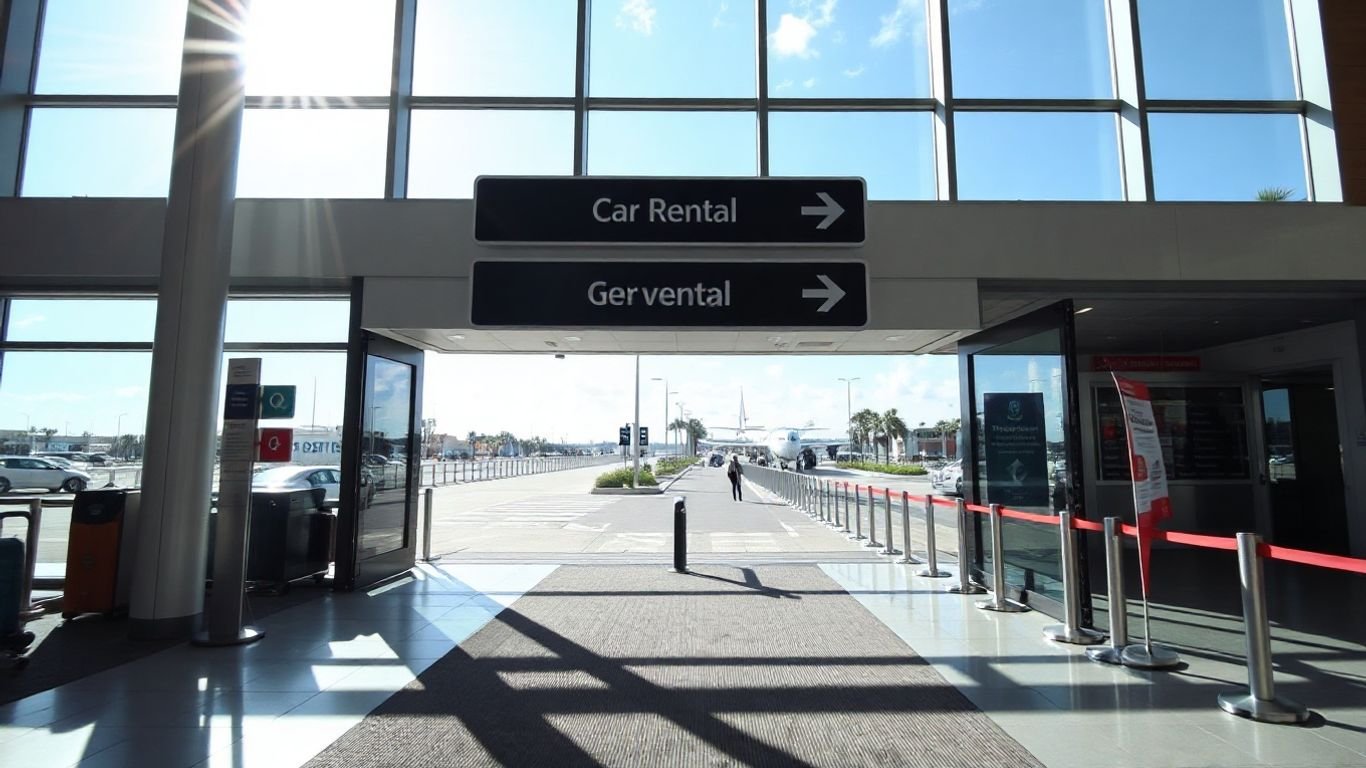
Southwest Florida International Airport maintains a centralized hub for all rental operations to streamline the customer experience. Upon arrival, you reach this building by following the clearly marked signage toward the ground transportation area. Having your confirmation documents ready will help you navigate the check-in counters with greater speed.
Operating hours and after-hours return policies
Most agencies at the airport operate during standard flight hours, though it is prudent to confirm the specific availability of your provider. If you have a late night or early morning flight, clarify the procedure for using secure drop boxes for your keys. Always ensure you take photos of the vehicle during drop-off to document the condition of the car.
Shuttle services and airport terminal access
Frequent shuttles or covered walkways facilitate the transfer between the terminal and the rental facility. Efficiency is the priority here, particularly after a long flight when you are eager to begin your journey. Following the clear walkway indicators ensures you reach your rental counter without unnecessary walking through secondary parking lots.
Understanding rental car coverage and insurance requirements

Basic collision damage waivers explained
Collision damage waivers serve as a standard way to limit your financial liability in the event of an accident. While not technically insurance, these waivers act as an agreement that the rental company will not seek significant compensation from you for damage to the vehicle. It is essential to read the specific terms of these agreements because coverage limits vary based on the provider.
Supplemental liability insurance options
Liability insurance provides a crucial layer of financial protection should you cause property damage or bodily injury to another party. While some regions mandate minimum coverage levels, many travelers elect for supplemental options to increase their total limits. This choice provides peace of mind while navigating busy coastal roads or driving through high-traffic urban zones.
Checking your credit card coverage against local policies
Before spending extra on optional coverage, consult your credit card provider to see if they include rental protections. Many premium cards offer robust benefits, but these often have specific requirements, such as declining the collision damage waiver provided by the rental agency. Always print your coverage summary to present at the counter if necessary, as this proactive approach helps avoid unnecessary duplicate insurance purchases.
Navigating Fort Myers and surrounding areas
Best driving routes to Sanibel and Captiva Islands
Driving toward the islands requires careful planning, especially during the peak tourist season. Taking the primary causeway offers direct access to these destinations, though traffic can accumulate during morning and evening rush hours. We recommend traveling during off-peak windows to keep your drive pleasant and stress-free.
Toll roads and SunPass requirements for visitors
Florida operates a vast network of toll roads that rely on electronic transponders. While your rental car may come equipped with a tolling program, those services often include daily convenience fees. For longer trips, consider these methods to manage your Florida toll road expenses effectively:
- Purchase a temporary transponder if staying for an extended duration.
- Utilize specific rental car company toll packages if frequent travel is planned.
- Check if your route allows for non-toll highways to reach your destination.
Parking tips for popular tourist beaches and downtown
Downtown parking often relies on metered spots or secure garages, which are best scouted before you arrive. Beaches tend to fill up early in the day, necessitating a strategy to secure a space without wasting time. Most popular locations offer apps that make payment simple, provided you have a data connection available on your mobile device.
Money-saving tips for Fort Myers car rentals
Optimal booking windows for low-season rates
The timing of your reservation significantly impacts the final cost of your Fort Myers car rental. Booking several weeks or even months ahead of travel typically yields the most favorable rates. A comparison of vehicle types can also help you find a better balance between cost and space, as shown in our table below.
| Vehicle Class | Best Use Case | Typical Capacity |
|---|---|---|
| Economy | Short city trips | 4 passengers |
| Intermediate SUV | Family road trips | 5 passengers |
| Passenger Van | Large groups | 7-8 passengers |
After deciding on the vehicle class, always review the final total. Using DiscoverCars allows you to filter these options by total price, making it much easier to select a vehicle that fits your budget without compromising on the essential features you need for a comfortable trip.
Avoiding unnecessary car class upgrades
Rental agents frequently offer up-sells at the counter, suggesting that a larger or luxury vehicle will make your trip better. Unless you genuinely require the additional space for luggage or passengers, these upgrades rarely provide value for the extra expense. Stick to your original booking unless internal cabin comfort is a non-negotiable priority for your specific party size.
Choosing fuel policies that prevent service charges
Fuel policies can be another source of hidden costs if you return the vehicle with a low tank. Most providers charge a significant premium for the fuel service, plus an additional convenience fee for the refill. To avoid these costs, simply ensure you refill the tank at a local station before returning to the airport facility.
Conclusion
Securing your transportation requires a balance of early planning and informed decision-making regarding insurance and toll management. By utilizing comparison tools like DiscoverCars, you gain the advantage of seeing comprehensive pricing, which ultimately helps you focus on enjoying your Florida experience rather than stressing over the logistics of your rental.
Ready to compare Fort Myers rental prices?
Frequently Asked Questions
What documents do I need to bring for my car rental?
You will need a valid driver’s license from your home country, a primary credit card issued in your name, and your reservation confirmation number, which you can keep in either digital or printed form.
Can I return my rental car to a different location?
Yes, many rental companies allow one-way rentals, but you should expect to pay a drop-off fee for returning the vehicle to a different city than where you picked it up.
Are there age restrictions for renting a car?
Most rental companies require drivers to be at least 21 years old, and those under 25 are frequently required to pay a "young driver" surcharge due to higher insurance risks.
Do I need an international driving permit?
While a standard driver’s license from most countries is accepted for temporary visits, it is always a smart idea to carry an international driving permit if your home license is not in English.
How are tolls handled if my car does not have a transponder?
If you drive through electronic toll lanes without a transponder, the license plate will be photographed, and your rental car company will likely bill the toll amount plus an administrative fee to your credit card.
Is it safer to book a car at the airport or off-site?
Airport locations offer maximum convenience for travelers, while off-site rental agencies sometimes offer lower daily rates, though you will need to account for your own transit costs and time to reach those facilities.
What happens if I return the car past the agreed time?
Returning a vehicle after the scheduled time usually triggers additional hourly or daily charges, so it is crucial to contact your rental agency as early as possible if you realize you will be delayed.
Disclosure: This article contains affiliate links. If you book through them, we may earn a commission at no extra cost to you. This helps support our free guides.