
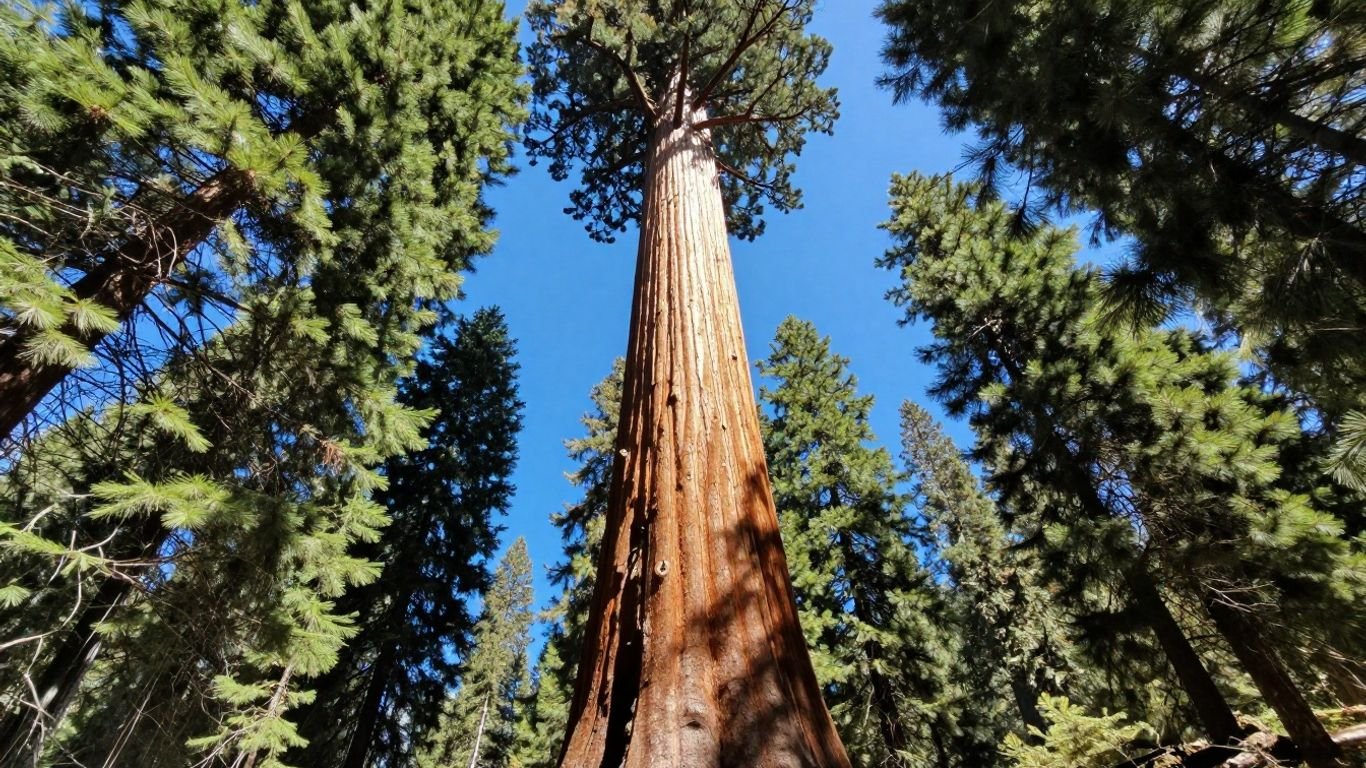
Key Takeaways
This guide offers essential advice for planning your visit to one of California’s crown jewels, ensuring you have the right transportation for navigating rugged mountain terrain. Effective preparation helps you avoid common pitfalls and make the most of your national park adventure.
- Renting a vehicle is vital for exploring areas without public transit.
- Fresno and Visalia serve as the most convenient gateway airport locations.
- Choosing an SUV improves safety and comfort on steep, winding roads.
- Booking with DiscoverCars provides transparent comparisons for all major rental agencies.
- Always carry tire chains in winter to comply with park regulations.

Why you need a rental car for Sequoia National Park
Independent travel remains the most effective way to experience the high-elevation beauty of the Southern Sierra. A personal vehicle allows you to bypass the constraints of crowded group tours and navigate the region on your own timeline.
Accessibility of park terrain
Public transportation does not reach the deepest parts of the park, especially the remote scenic overlooks located well beyond the main entrance gates. Having your own set of wheels is the only way to reach isolated viewpoints and trailheads at your own pace. If you are starting your journey from major transit hubs in the state, you can find a California car rental through reliable comparison platforms to ensure you have a dependable vehicle for the trip.
Limitations of public park shuttles
While shuttle systems exist during peak summer months to reduce traffic inside the Giant Forest, they are restricted to specific, high-traffic corridors. Relying solely on these services limits your movement to fixed schedules and predefined stops, preventing you from visiting neighboring regions or secondary trailheads. Many visitors find that a private vehicle offers the necessary freedom to explore more expansive areas of the park without waiting for bus synchronization.
Flexibility for visiting nearby attractions
Beyond the park borders, the surrounding national forests and town centers offer culture and dining opportunities that are inaccessible without a car. Flexibility allows you to chase weather patterns or sudden changes in park conditions, ensuring you never miss a highlight. For those looking to connect their journey with other regional landmarks, using a national parks road trip guide can help you map out a seamless route across the state.
Best pickup locations for visiting Sequoia
Selecting the right rental hub significantly impacts how quickly you reach the park gates. While many travelers fly into larger metropolitan areas, proximity to the mountain foothills saves hours of drive time and helps conserve fuel before you even hit the trails.
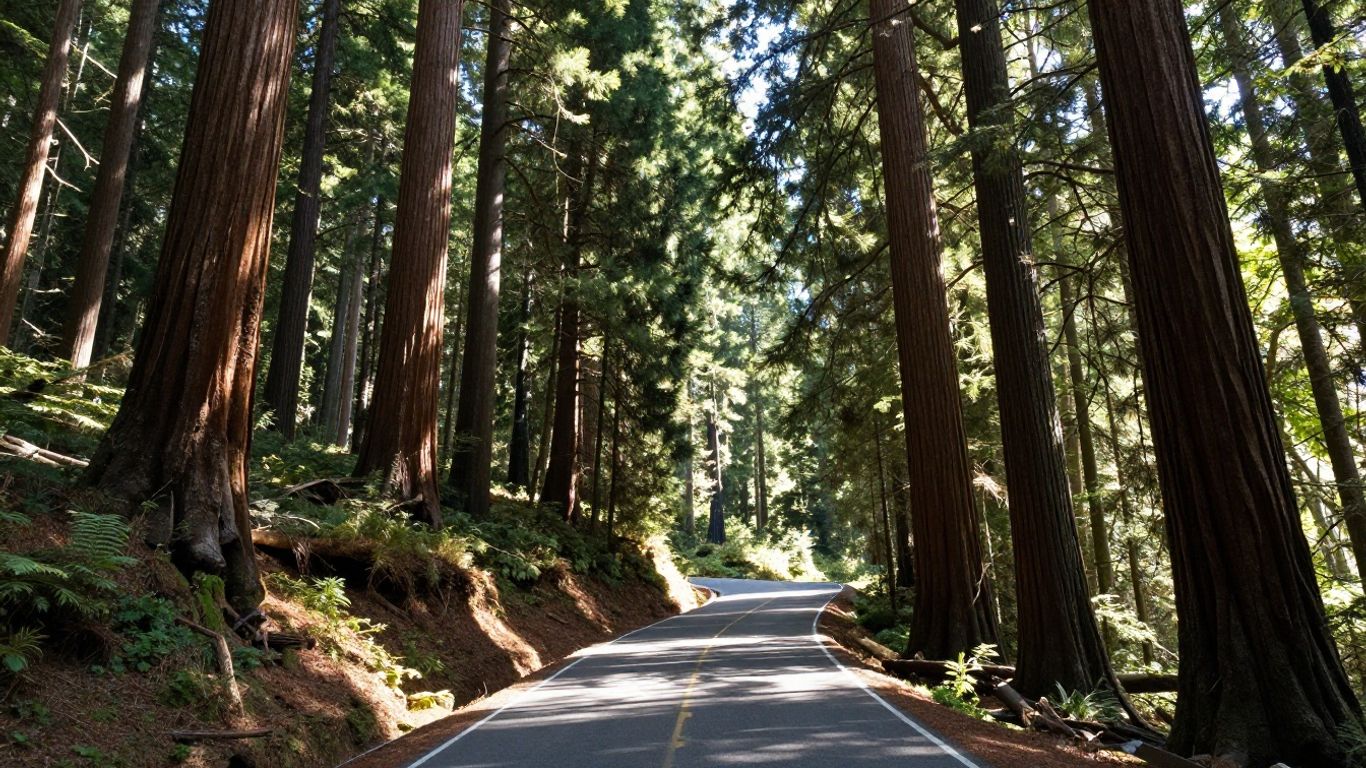
Renting from Fresno Yosemite International Airport
Flying into Fresno provides the most direct transition from air travel to the highway, placing you within a two-hour drive of the park entrance. This airport features a concentration of major rental desks, making it highly efficient to pick up your vehicle immediately upon arrival. Travelers can easily compare rates and vehicle categories online to secure a ride that handles mountain grades reliably.
Options in downtown Visalia and Fresno
If you prefer to spend time in a city before heading to the mountains, downtown rental locations offer great alternatives to airport counters. These offices often have varied inventory, allowing for potentially cheaper rates if you plan to stay a few nights in a local hotel. Consider these factors when choosing a spot:
| Location Type | Pros | Best For |
|---|---|---|
| Airport | Immediate access | Short trips |
| Downtown | Lower base rates | Multi-day visits |
| Local City | Better availability | Large SUVs |
Benefits of picking up in major cities like Los Angeles
Starting your trip in a major coastal city lets you experience the broader California landscape before reaching the high country. While the drive is longer, it allows for a more varied itinerary that encompasses cultural sites near the coast before hitting the mountains. Always review DiscoverCars listings for one-way rental options if you plan to drop off your vehicle in a different city.
Selecting the right vehicle for mountain driving
Driving through the Sierra Nevada involves confronting steep, continuous grades that test both the engine and braking systems. Choosing a vehicle that offers higher clearance and improved handling is a smart precaution for safety.
Advantages of SUVs and four-wheel drive
Using an SUV provides increased visibility and better stability on twisting, narrow highways. Four-wheel drive capability is particularly helpful when navigating steep switchbacks or occasional slick road surfaces, providing extra grip where a standard sedan might struggle. For many, this investment in vehicle class is a small premium to pay for peace of mind while driving through challenging, remote mountain passes.
Handling steep grades and winding roads
Drivers should be prepared for roads that are narrow and unforgiving, requiring constant attention. The following steps help manage vehicle strain on long descents:
- Use low gear settings to manage speed on downhill sections.
- Avoid riding the brakes, which can cause them to overheat.
- Monitor tire pressure regularly as temperatures change with elevation.
- Keep a steady pace to maintain engine efficiency on incline climbs.
Passenger comfort for long scenic drives
Comfort is essential when you have several hours of mountain driving ahead of you. Choosing a model with adequate legroom and ergonomic seating helps passengers stay refreshed throughout the day. When booking, filters allow you to prioritize spacious vehicles that accommodate both your party and all your outdoor equipment, ensuring your journey remains enjoyable rather than exhausting.
Booking with DiscoverCars for your trip
Managing your rental experience requires a platform that prioritizes clarity and comprehensive supply data. Utilizing a service that centralizes these options helps you avoid administrative headaches during your vacation.
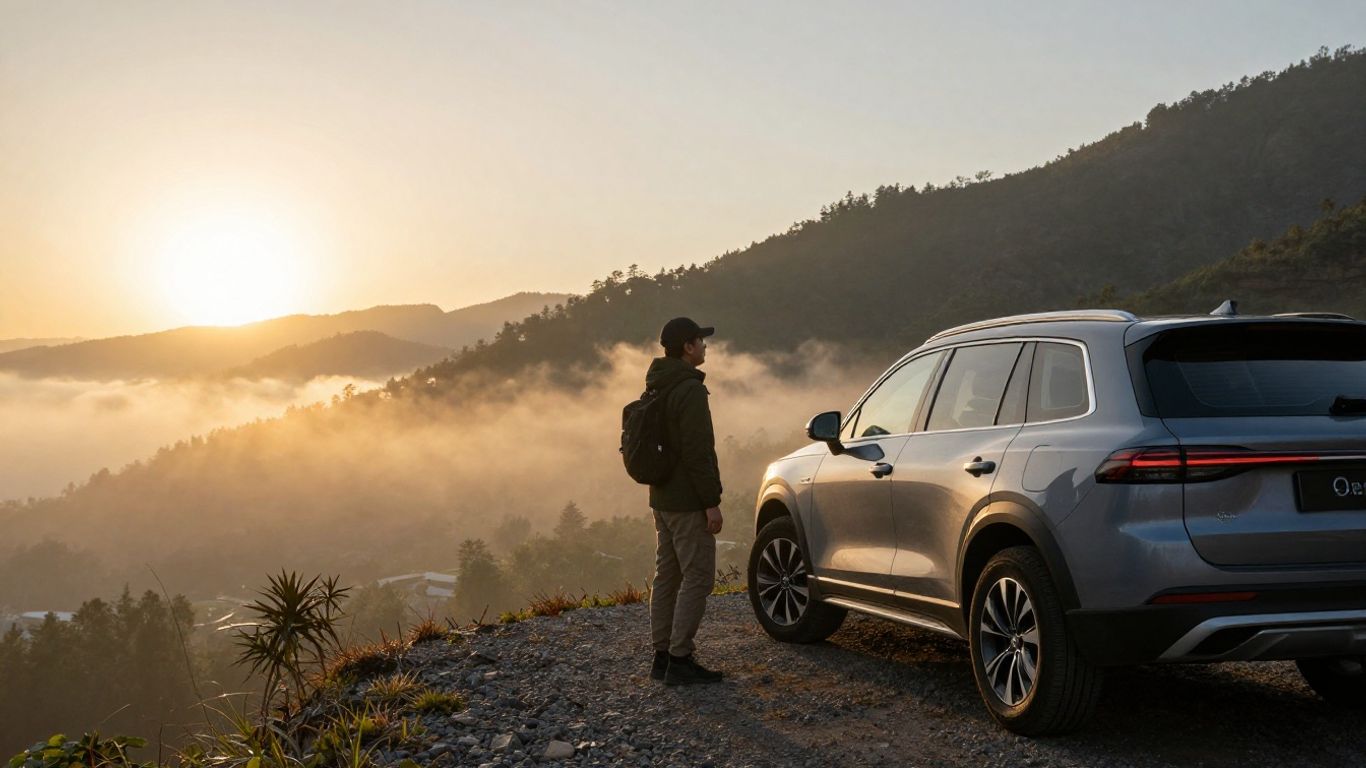
Comparing rental agencies and pricing transparency
Finding a trustworthy agency is easier when you can compare multiple suppliers at once. By using DiscoverCars to assess total rental costs, you avoid surprise fees that often appear at the final checkout. This transparency is crucial for maintaining a travel budget, particularly when planning extended trips through multiple park locations.
Utilizing filters for specific vehicle needs
Specific needs, such as trunk space for camping gear or child seats for young travelers, should be addressed before you arrive at the counter. Effective filtering tools enable you to select exactly what you need without paying for unnecessary add-ons. You can refine your search by vehicle transmission, size, and fuel type to align with your specific travel requirements.
Understanding rental policy variations and cancellation terms
Policy terms like fuel requirements and mileage limits vary wildly between agencies and should be examined carefully. Understanding these details before signing a contract saves significantly on potential penalties. Always verify the cancellation terms, as mountain travel plans are often subject to sudden weather-related rescheduling.
Essential preparations and driving tips
Preparation for mountain driving goes beyond simply securing the keys. Understanding how your vehicle performs in thin air and variable weather is critical for a smooth experience.
Checking vehicle maintenance before departure
Always ensure that basic items like wiper fluid, tire tread, and engine fluids are checked if you are using your own vehicle. For rentals, perform a quick walk-around during pickup to verify the condition of the tires and lighting. A well-maintained vehicle is significantly more likely to handle the rigors of mountain gradients without technical issues.
Packing tire chains for winter travel
Even if the forecast shows clear skies, the park may mandate that you carry snow chains during the winter and early spring. Failure to have these items can lead to denied entry if conditions suddenly shift. Research the specific requirements for the roads you plan to travel, as chains are occasionally required even for vehicles with 4WD or snow-rated tires.
Managing fuel economy in mountain terrain
Mountain driving naturally consumes more fuel due to the constant engine load required for climbs. Plan your route to ensure you have enough range before heading into the park, as gas is NOT sold within the park boundaries. Always top off your tank in the last town before the entrance to ensure you have a sufficient buffer for returning to civilization.
Seasonal considerations for car rental
Timing your visit impacts both the road conditions you will face and the availability of vehicles. Understanding these nuances helps you secure the best deal and time your trip for maximum enjoyment.
Winter driving conditions and road closures
Winter brings the beauty of deep snow, but it also forces the closure of higher-elevation roads like the Crescent Meadow spur. Expect restricted access and mandatory carry-on chains on all routes throughout the park. Always check the official NPS website for real-time information on road status before leaving your accommodation.
Summer peak season demand and vehicle availability
Summer is the busiest time of year, leading to shortages in preferred high-clearance vehicle models. Booking your rental several weeks in advance is essential to ensure you receive the class of vehicle you desire. Early booking also typically secures lower pricing compared to last-minute reservations made during the heat of the travel season.
Shoulder season perks and rate fluctuations
Spring and fall offer unique advantages, such as milder weather and smaller crowds, which often result in better rental rates. These periods often see increased availability, giving you more flexibility in your vehicle choice. Monitoring rates through DiscoverCars during these months can often lead to significant savings compared to summer peak prices.
Conclusion
Preparing for your Sequoia journey requires careful planning, but taking the time to arrange the right vehicle and understand local driving conditions ensures your trip remains focused on the magnificent giant sequoias. By utilizing clear rental comparisons and keeping these essential travel tips in mind, you will navigate the Sierra Nevada mountains with confidence and ease.
Ready to compare Sequoia rental prices?
Frequently Asked Questions
Do I need a four-wheel-drive vehicle to visit Sequoia National Park?
While a standard sedan is capable of driving the primary paved roads during summer, a four-wheel-drive vehicle is strongly recommended for improved traction and stability on steep, narrow, and winding grades.
Can I rent a car directly inside the national park?
No, there are no car rental agencies located within the boundaries of the park, so you must secure your vehicle at an airport or city location before entering the mountain regions.
Are there gas stations available within the park limits?
Gas stations are not available within the national park, necessitating that you fuel your vehicle in the gateway towns like Three Rivers or Fresno before starting your ascent.
What should I do if I am traveling with a large RV or trailer?
Be aware that many roads in the park have strict length limits, and certain sections are not advised for vehicles over 22 feet in length, so choose your entry point and route with extreme caution.
When is the best time to visit to avoid the largest crowds?
Visiting during the shoulder seasons of late spring and early autumn allows you to enjoy the park with significantly lower visitor numbers compared to the peak summer months.
Is it necessary to carry tire chains even without snow?
Yes, it is often a legal requirement to carry chains in your vehicle during the winter season, even if the road currently appears clear, as weather conditions can change rapidly in the mountains.
How does elevation affect driving performance?
High elevation can cause engines to lose some power and may impact your fuel efficiency, so it is important to drive intentionally and avoid abrupt acceleration on inclines.
Disclosure: This article contains affiliate links. If you book through them, we may earn a commission at no extra cost to you. This helps support our free guides.