
Key Takeaways
Planning a coastal excursion requires careful preparation to ensure you stay within your budget and schedule. Here are the essential points for your trip:
- Book your vehicle well in advance to lock in better rates.
- Use comparison tools to check prices across multiple providers effectively.
- Verify the specific vehicle size needed for your passenger and luggage count.
- Check for active road closures on Highway 1 before departing.
- Ensure you carry valid documentation, including an international driving permit if required.

Why use DiscoverCars for a Big Sur road trip
When planning a trek along the Pacific Coast, securing a reliable vehicle is the first step toward a stress-free experience. Using a professional platform like DiscoverCars allows travelers to compare market rates and insurance policies without jumping between dozens of tabs. By streamlining the search, you can focus on your itinerary rather than worrying about hidden rental agency fees or availability.
Comparing rental prices across multiple providers
Price transparency remains a major pain point for many travelers. This platform aggregates data, helping you view different quotes side-by-side so you can identify the most cost-effective option for your dates quickly and efficiently.
Finding car rental availability near major California airports
Availability can fluctuate wildly during peak summer months or holiday weekends when demand surges. Checking DiscoverCars provides real-time updates on which nearby airports currently have inventory ready for pick up.
Managing bookings through a centralized platform
Once you decide on a rental, keeping track of the details is simple. The system offers several advantages for travelers:
- Review booking confirmation documents in one dashboard.
- Track changes to your reservation schedule easily.
- Access customer support tools directly if issues arise.
- Confirm pickup locations before you arrive at the terminal.
Leveraging customer reviews for reliable rental agencies
Choosing a reputable agency involves looking beyond the base rate. By reading verified feedback from past renters, you can better understand the service quality of specific providers before making your final selection.
Top pickup locations for your Big Sur journey
Selecting the right departure point depends on your starting city and how much time you want to spend driving. If you are entering the state through major hubs, consider the logistics of each airport to minimize your travel stress.

Flying into San Francisco International Airport
If you are arriving from out of state, this airport is a primary gateway. For those who want more guidance on local logistics, including handling city traffic and parking, the DiscoverCars guide for SF remains an essential resource.
Starting your trip from San Jose
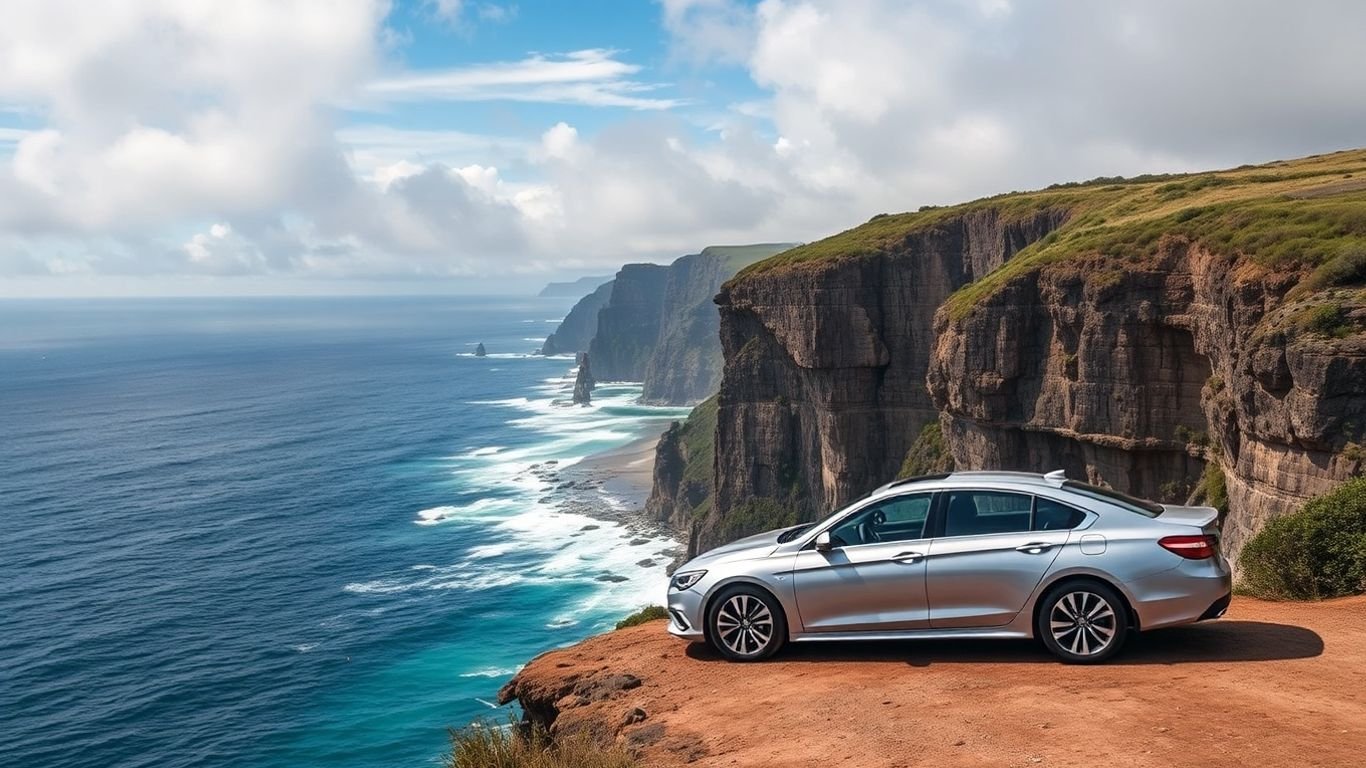
San Jose serves as a quieter alternative to the busier airports further north. Its closer proximity to the Monterey Peninsula can save you time on the road, allowing you to reach the spectacular coastal cliffs of Big Sur faster.
Choosing Monterey Regional Airport for proximity
For travelers who prioritize efficiency, flying directly into Monterey puts you at the edge of the Big Sur corridor. While your choices at a regional airport might be slightly more limited, the reduced time spent commuting by car is often worth the trade-off.
Long-term rentals from Los Angeles for the full coastal route
Many road-trippers prefer to start in the south, renting a vehicle in Los Angeles and driving north. This direction allows you to keep the ocean side of the highway on your right, providing easier access to pull-offs and photography overlooks throughout the day.
Selecting the right vehicle for Highway 1
Navigating the winding roads of central California requires a vehicle that handles well on curves and steep terrain. You will encounter various road conditions, so matching the car to your mission is vital for both safety and enjoyment.
Convertible options for the best coastal views
Driving a convertible is a popular way to experience the open air of the coast. These are perfect for sunny days, provided you have limited luggage that fits in smaller trunks.
Comfort considerations for steep, winding roads
Highway 1 features constant twists and turns that can induce car sickness in passengers if the suspension is too stiff. Opting for a vehicle with stable handling and smooth suspension ensures everyone remains comfortable during the journey.
Fuel economy versus engine power for mountain driving
Balancing your capacity to climb grades with your fuel budget is essential for a long-distance road trip. Most modern standard vehicles handle the incline well, provided you account for the extra weight of passengers and luggage.
| Vehicle Category | Fuel Efficiency | Power for Grades | Best For |
|---|---|---|---|
| Sedans | High | Moderate | Couples & Light Loads |
| SUVs | Moderate | High | Families & Extra Gear |
| Compact Cars | Very High | Low | Solo Travelers |
Checking trunk space for multi-day luggage needs
Always confirm that your rental car’s trunk can accommodate your luggage. Oversized bags often struggle in compact vehicles, potentially leaving you with limited visibility if you are forced to stack gear in the backseat.
Practical booking tips for your California rental
Securing your rental early helps prevent last-minute price spikes during busy tourist seasons. Paying attention to specific rental details, such as age requirements or extra driver fees, can transform your trip from a budget nightmare into an affordable success.

Booking in advance to guarantee vehicle types
Demand for specific vehicle categories, particularly SUVs and convertibles, often outstrips supply during weekends. By booking early, you guarantee your preference rather than settling for whichever leftover car happens to be on the lot.
Understanding pickup and return time windows
Rental agencies typically operate on 24-hour cycles. If you return your car even an hour late beyond that window, the system may register it as an extra day, leading to avoidable charges on your card.
Factors influencing the cost of one-way rentals
If you pick up your car in one city and drop it off in another, you should expect a one-way fee. This fee exists to cover the cost to the agency to return the vehicle back to its origin station.
Using filters to find specific vehicle features
Use the search filters carefully to narrow your selection. Whether you require satellite navigation, child seats, or snow chains for winter travel, pre-selecting these requirements saves time during the pickup process.
Essential road trip logistics and safety
Big Sur is a remote area with limited modern infrastructure, meaning you should never assume you can simply stop for gas or assistance at any moment. Navigating the region requires extra vigilance regarding both road conditions and your vehicle’s status.
Navigating seasonal Highway 1 closures
Landslides occasionally force portions of the highway to shut down for weeks or even months. You should consult a road closure guide before heading out to ensure you have a viable detour or a modified itinerary that doesn’t rely on closed routes.
Preparing for limited cellular service in Big Sur
Cellular reception drops off frequently once you leave the main coastal towns. Download offline maps and keep a physical map in the glove compartment as a backup for emergency navigation.
Managing steep grades and narrow coastal shoulders
Driving in this region requires focus, especially where the road narrows against the cliffside. Rely on lower gears while descending to manage your speed without overworking your brakes.
Planning for fuel stops along the remote corridor
Fuel prices are notoriously high in remote areas due to logistical delivery costs. Fill your tank completely before entering the park boundaries to avoid paying exorbitant rates at the few independent stations along the route.
Rental insurance and documentation requirements
Understanding your protection plan is key to a calm journey. Many renters do not realize that they might already be covered through their credit card or private auto policy, while others prefer the simplicity of purchasing protection directly from the rental desk.
Declining versus purchasing collision damage waivers
Checking what your personal insurance covers is the first step. If your existing protocol covers rental cars, you might decline the extra waiver from the rental agency, but always ensure the rental type is explicitly included in your policy coverage.
Necessary documentation for international travelers
Always keep your passport, valid driver’s license, and an international driving permit if your home nation requires one for the US. Agencies will check these carefully before handing over the keys.
Age restrictions and young driver surcharges
Drivers under the age of 25 often face a "young driver" fee. Agencies apply this to compensate for statistical risk, so check the terms of your specific rental agreement to avoid surprise totals at the counter.
Understanding mileage limits on long-distance rentals
Always ensure your rental agreement offers unlimited mileage. Coastal trips often involve more driving than expected as you revisit viewpoints or take scenic detours; you do not want to be billed per-mile for your adventure.
Conclusion
Planning your Big Sur road trip with the right research and the right tools ensures that the journey remains as breathtaking as the destination. From selecting the perfect vehicle on a comparison platform to mapping out your fuel stops, following these practical steps allows you to embrace the freedom of the coastal route with confidence.
Ready to compare Big Sur rental prices?
Frequently Asked Questions
Is a rental car necessary for visiting Big Sur?
A rental car is highly recommended for Big Sur because there is no reliable public transportation connecting the diverse viewpoints, beaches, and hiking trails along the rugged coastline.
What type of vehicle should I rent for Highway 1?
A standard sedan is usually sufficient for most weather conditions, but an SUV can offer better comfort and visibility for passengers on the steep, winding grades common in the area.
Are there gas stations along the highway?
Gas is very limited and significantly more expensive along the remote stretches of Highway 1, so it is best to fill your tank in a major city like Monterey or Carmel before beginning your drive.
What do I do if I lose cell service?
Because cellular reception is inconsistent throughout the coast, ensure you download offline mapping data to your phone or bring a paper map to navigate safely between coastal stops.
Can I drive from San Francisco to Los Angeles?
Driving the full length of the Pacific Coast Highway is a popular itinerary, but you should check for major road closures before you leave, as storms can occasionally impact the road.
Should I choose a one-way rental or round trip?
Round-trip rentals from a single airport usually avoid extra drop-off fees, but a one-way trip offers more flexibility if you are traveling across the entire state of California.
How far in advance should I book my rental?
Booking at least two to four weeks in advance is recommended, especially for summer travel, to ensure you can reserve the specific car class you want at the best possible price.
Disclosure: This article contains affiliate links. If you book through them, we may earn a commission at no extra cost to you. This helps support our free guides.