DiscoverCars Grand Teton: Grand Teton Car Rental Guide

Grand Teton peaks reflected in a lake

Renting a car for Grand Teton isn’t optional — it’s the only practical way to explore this stunning Wyoming park and its jagged peaks. There’s no public transit through the park, and it shares its northern boundary with Yellowstone, so a rental lets you see both on one trip. Comparing suppliers on DiscoverCars helps you find the cheapest rate, starting from Jackson.

Last updated: July 2026.

Key Takeaways

  • A rental car is essential — no public transit through Grand Teton.
  • Jackson Hole (JAC) is the closest airport, right by the park.
  • Grand Teton connects directly to Yellowstone’s south entrance — do both.
  • The scenic Teton Park Road and Jenny Lake are the highlights.
  • A standard car handles the paved park roads in summer.
DiscoverCars.com

Do You Need a Car to Visit Grand Teton?

Yes — a car is essential. There’s no public transportation through Grand Teton, and the highlights (Jenny Lake, Signal Mountain, the Teton Park Road overlooks) are spread along the range. A rental lets you explore at your own pace and catch the famous sunrise light on the peaks.

Grand Teton connects directly to Yellowstone via the John D. Rockefeller Parkway — the two parks are almost always visited together, so a rental unlocks both.

Driving the Teton Park Road with wildlife

Where Should You Rent a Car for Grand Teton?

Jackson is the obvious base, with a couple of alternatives:

  • Jackson Hole (JAC) — right beside the park; the most convenient, though flights can be pricier.
  • Idaho Falls (IDA) — about 2 hours west; budget-friendly, and handy if also doing Yellowstone.
  • Salt Lake City (SLC) — about 5 hours south; cheapest flights — see the Wyoming rental guide.
DiscoverCars.com

How Far Is Grand Teton From Key Points?

Grand Teton pairs naturally with Yellowstone. Here are the main drives:

FromDistanceDrive time
Jackson (JAC)~10 miles~20m
Yellowstone south entrance~30 miles~1h
Idaho Falls~90 miles~2h
Salt Lake City~280 miles~5h
Old Faithful (Yellowstone)~60 miles~1h 30m
Approximate distances; wildlife stops and park traffic add time.

Because Grand Teton and Yellowstone share a boundary, most visitors drive straight from one to the other — a rental makes the combined trip seamless.

What Kind of Car Should You Rent for Grand Teton?

In summer, a standard sedan handles every paved park road, including the scenic Teton Park Road. If you visit in late spring or fall, when mountain weather can turn quickly, an SUV or AWD adds peace of mind — but it’s not required for the main sights.

When Is the Best Time to Visit Grand Teton?

Summer (June to September) is peak season, with all roads open, long days, and the best wildlife viewing — moose, bison, and bears. Fall brings golden aspens and thinner crowds. Winter is beautiful but many park roads close to cars, with access shifting to skis and snowmobiles, so plan for late spring through fall to drive it yourself.

How Can You Save on a Grand Teton Rental?

  • Compare suppliers — Jackson can be pricey, so check every option.
  • Consider Idaho Falls or Salt Lake City — cheaper flights and cars, especially if also doing Yellowstone.
  • Book early — summer demand in Jackson is high.
  • Mind the young driver fee — under-25 renters pay extra; see our age requirements guide.

Ready to compare Grand Teton rental prices?

Check live prices on DiscoverCars →

Bottom line: a rental car is essential for Grand Teton, and it lets you pair it seamlessly with neighboring Yellowstone. Compare suppliers on DiscoverCars to find the cheapest rate from Jackson or beyond.

What Can You Do Around Grand Teton?

A rental car makes the whole Jackson Hole region accessible, not just the park. Standout stops include:

  • Jenny Lake — the park’s scenic centerpiece, with trails and a boat shuttle.
  • Mormon Row — historic barns framed by the Teton peaks, famous for photos.
  • Signal Mountain Summit Road — a short drive to sweeping valley views.
  • Jackson town square — the classic Western base for dining and gear.

And because Yellowstone is just up the road, a rental lets you fold both parks into one trip. That flexibility is why most visitors drive the region themselves — and why comparing rates on DiscoverCars before you arrive is worth the few minutes.

A practical note for Grand Teton: wildlife is a major draw, and animals are most active around dawn and dusk. Having your own rental means you can be at Oxbow Bend or Mormon Row for the golden light when tour buses aren’t running — one of the biggest advantages of driving yourself. Keep a safe distance from wildlife and never block the road at a sighting.

Fuel up in Jackson before heading into the park, since in-park gas is limited. With a full tank and an early start, a rental turns Grand Teton and neighboring Yellowstone into one unforgettable road trip — and comparing rates on DiscoverCars keeps the cost down.

Frequently Asked Questions About Grand Teton Car Rental

Do you need a car to visit Grand Teton?

Yes. There’s no public transit through Grand Teton, and the highlights are spread along the range. A rental car lets you explore Jenny Lake, the Teton Park Road overlooks, and catch sunrise on the peaks — and connect straight to Yellowstone.

Which airport is closest to Grand Teton?

Jackson Hole (JAC) is right beside the park — the most convenient, though flights can cost more. Idaho Falls (about 2 hours) and Salt Lake City (about 5 hours) are cheaper alternatives, especially if you’re also visiting Yellowstone.

Can you visit Grand Teton and Yellowstone together?

Yes — they share a boundary, connected by the John D. Rockefeller Parkway. Grand Teton’s north end is about 30 miles (1 hour) from Yellowstone’s south entrance, so most visitors do both on one trip. A rental car makes the combined route seamless.

Do you need an SUV for Grand Teton?

Not in summer — a standard sedan handles every paved park road, including the Teton Park Road. An SUV or AWD adds peace of mind in late spring or fall when mountain weather can change quickly, but it isn’t required for the main sights.

Related DiscoverCars Guides

Disclosure: This is an independent guide. This article contains affiliate links to DiscoverCars; if you book through them we may earn a small commission at no extra cost to you. It never changes what you pay or what we recommend.

DiscoverCars Yosemite: Yosemite Car Rental Guide

Yosemite Valley with granite cliffs

Renting a car for Yosemite isn’t optional — it’s the best way to reach and explore this vast California park, from Yosemite Valley to the giant sequoias. Public transit is limited, so a rental gives you freedom on your own schedule. Comparing suppliers on DiscoverCars helps you find the cheapest rate, whether you start in San Francisco or Fresno.

Last updated: July 2026.

Key Takeaways

  • A rental car is the best way to reach and explore Yosemite.
  • San Francisco (~4h), Fresno (~1.5h), and Sacramento (~3.5h) are the main hubs.
  • Some high routes like Tioga Road close in winter (roughly Nov–May).
  • A reservation may be required to enter in peak season — check ahead.
  • A standard car works in summer; consider AWD for winter mountain roads.
DiscoverCars.com

Do You Need a Car to Visit Yosemite?

Effectively yes. While a regional bus (YARTS) reaches Yosemite Valley from a few gateway towns, it’s limited and ties you to fixed schedules. A rental car lets you reach the valley, Glacier Point, the sequoias at Mariposa Grove, and the high country on your own time.

Yosemite pairs well with a California road trip — see our San Francisco rental guide if you’re starting there, or the wider Los Angeles guide for a Southern California route.

Driving into Yosemite Valley

Where Should You Rent a Car for Yosemite?

Your hub depends on flight prices and which entrance you want:

  • San Francisco (SFO) — cheap flights and cars; about 4 hours to the valley — see our SF rental guide.
  • Fresno (FAT) — the closest major airport, about 1.5 hours to the south entrance.
  • Sacramento (SMF) — northern option, about 3.5 hours.
  • Los Angeles (LAX) — further (~5 hours) but works for a bigger California loop.
DiscoverCars.com

How Far Is Yosemite From Major Cities?

Here are the key drives to help you plan flights and rental days:

FromDistanceDrive time
Fresno~65 miles~1h 30m
San Francisco~170 miles~4h
Sacramento~180 miles~3h 30m
Los Angeles~280 miles~5h
Las Vegas~400 miles~6h 30m
Approximate distances to Yosemite Valley; mountain roads add time.

Fresno is closest, but San Francisco usually wins on combined flight-plus-rental cost, which is why it’s the most popular starting point.

What Kind of Car Should You Rent for Yosemite?

In summer, a standard sedan handles every paved park road comfortably, including the drive up to Glacier Point. Consider an SUV or AWD if you visit in late fall through spring, when mountain passes can see snow and chains may be required on some routes.

When Is the Best Time to Visit Yosemite?

Late spring (May–June) is spectacular for waterfalls at full flow. Summer is busiest, with all roads open including Tioga Road to the high country. Fall is quieter with pleasant weather. In winter, Yosemite Valley stays open but Tioga and Glacier Point Roads close, and chains may be required.

Note: Yosemite has used a peak-season reservation system to enter on busy days — check the park’s current rules before you go.

How Can You Save on a Yosemite Rental?

  • Compare suppliers — rates vary a lot between SFO, Fresno, and Sacramento.
  • Fly into Fresno for a short drive, or SFO for cheaper flights and cars.
  • Book early — summer demand pushes flights and rentals up fast.
  • Mind the young driver fee — under-25 renters pay extra; see our age requirements guide.

Ready to compare Yosemite rental prices?

Check live prices on DiscoverCars →

Bottom line: a rental car is the best way to experience Yosemite’s valley, waterfalls, and high country. Compare suppliers on DiscoverCars to find the cheapest rate from San Francisco, Fresno, or beyond.

What Can You Do Around Yosemite?

With a rental car, Yosemite becomes the anchor of a bigger California trip. Nearby highlights worth the drive include:

  • Mariposa Grove — hundreds of giant sequoias near the south entrance.
  • Glacier Point — a jaw-dropping valley overlook reachable by car in summer.
  • Tioga Road & Tuolumne Meadows — high country open in summer only.
  • Bass Lake or Mono Lake — scenic side trips on either side of the park.

None of these are practical without a car, so a rental transforms a valley visit into a full Sierra Nevada adventure. Comparing suppliers on DiscoverCars before you go helps you lock in the best rate for all that driving.

One practical tip for Yosemite: parking in Yosemite Valley fills up early on summer days, and once you’re parked, a free in-valley shuttle loops the main trailheads and viewpoints. So you drive in with your rental, park once, and ride the shuttle around the valley floor — the best of both worlds. You still need the car to reach the park, Glacier Point, and the sequoias.

Fuel is another consideration: gas stations inside Yosemite are limited and pricier, so fill up in a gateway town like Oakhurst or Mariposa before entering. Planning these small details ahead makes the trip smoother, and comparing rental rates on DiscoverCars ensures the driving part stays affordable.

Frequently Asked Questions About Yosemite Car Rental

Do you need a car to visit Yosemite?

Effectively yes. A regional bus (YARTS) reaches Yosemite Valley from a few towns, but it’s limited and schedule-bound. A rental car lets you reach the valley, Glacier Point, the sequoias, and the high country on your own time.

Which airport is closest to Yosemite?

Fresno (FAT) is closest at about 1.5 hours to the south entrance. Most travelers fly into San Francisco (SFO) for cheaper flights and rental cars, about 4 hours away, or Sacramento (SMF) at about 3.5 hours.

Do you need an SUV for Yosemite?

Not in summer — a standard sedan handles every paved park road, including the drive to Glacier Point. An SUV or AWD is worth considering from late fall through spring, when mountain passes can see snow and chains may be required.

Do you need a reservation to enter Yosemite?

Sometimes. Yosemite has used a peak-season reservation system to enter on busy days. Rules change year to year, so check the park’s current requirements before your trip, especially for summer weekends and holidays.

Related DiscoverCars Guides

Disclosure: This is an independent guide. This article contains affiliate links to DiscoverCars; if you book through them we may earn a small commission at no extra cost to you. It never changes what you pay or what we recommend.

DiscoverCars Bryce Canyon: Bryce Canyon Car Rental Guide

Bryce Canyon hoodoos at sunrise

Renting a car for Bryce Canyon isn’t optional — it’s the only practical way to reach this remote Utah park and its otherworldly hoodoos. There’s no public transit to Bryce, so a rental lets you pair it with nearby Zion on your own schedule. Comparing suppliers on DiscoverCars helps you find the cheapest rate, whether you start in Las Vegas or Salt Lake City.

Last updated: July 2026.

Key Takeaways

  • A rental car is essential — there’s no public transit to Bryce Canyon.
  • Las Vegas (~4h) and Salt Lake City (~4h) are the main rental hubs.
  • Bryce pairs perfectly with Zion, just 84 miles (about 1h 45m) away.
  • A free in-park shuttle runs in peak season, but you need a car to get there.
  • A standard car handles every paved park road — no SUV needed in summer.
DiscoverCars.com

Do You Need a Car to Visit Bryce Canyon?

Yes — getting to Bryce requires driving. There’s no train or through bus service to this remote corner of southern Utah. A free park shuttle runs the main amphitheater viewpoints in peak season, but you still need a car to reach the park and to explore the wider region.

A rental also lets you combine Bryce with Zion and the rest of Utah’s ‘Mighty 5’ — see our Utah national parks rental guide for the full loop.

Scenic drive near Bryce Canyon

Where Should You Rent a Car for Bryce Canyon?

Two hubs dominate, with a trade-off between flight cost and drive time:

  • Las Vegas (LAS) — cheapest flights and cars; about 4 hours to Bryce — see our Las Vegas rental guide.
  • Salt Lake City (SLC) — northern gateway; about 4 hours south to Bryce.
  • St. George (SGU) — closer to Zion; a good base if combining both parks.
DiscoverCars.com

How Far Is Bryce Canyon From Major Points?

Bryce pairs naturally with the other Southwest parks. Here are the key drives:

FromDistanceDrive time
Las Vegas~260 miles~4h
Salt Lake City~270 miles~4h
Zion National Park~84 miles~1h 45m
Grand Canyon North Rim~160 miles~3h
Capitol Reef~120 miles~2h 20m
Approximate driving distances; add time for scenic stops and park entry lines.

The Zion-to-Bryce leg on Scenic Byway 12 is one of the most beautiful drives in the Southwest, which is why the two parks are almost always visited together.

What Kind of Car Should You Rent for Bryce?

A standard sedan is all you need. Every road to and around Bryce is paved and well-maintained, so an economy or midsize car handles the trip and keeps costs down. Bryce sits at high elevation (8,000+ feet), so in winter check conditions — but for a summer trip, a regular car is perfect.

When Is the Best Time to Visit Bryce Canyon?

Late spring through early fall offers the best weather and full access, with the shuttle running and all viewpoints open. Bryce’s high elevation keeps summer days cooler than nearby Zion. Winter is quiet and stunning — snow on the red hoodoos is spectacular — but some roads and services scale back.

How Can You Save on a Bryce Canyon Rental?

A few habits keep the trip affordable:

  • Compare suppliers — rates vary widely at Las Vegas and Salt Lake City.
  • Book early — spring and fall are peak season for the parks.
  • Confirm unlimited mileage — a multi-park Utah loop covers real distance.
  • Mind the young driver fee — under-25 renters pay extra; see our age requirements guide.

Ready to compare Bryce Canyon rental prices?

Check live prices on DiscoverCars →

Bottom line: a rental car is the only way to reach Bryce Canyon, and it lets you pair it with Zion on one of the Southwest’s best drives. Compare suppliers on DiscoverCars to lock in the cheapest rate for the trip.

What Can You Do Around Bryce Canyon?

A rental car opens up more than just Bryce itself. The wider region is packed with scenery that rewards a flexible schedule:

  • Scenic Byway 12 — one of America’s most beautiful drives, linking Bryce toward Capitol Reef.
  • Red Canyon — just west of Bryce, with striking rock arches right off the highway.
  • Kodachrome Basin State Park — colorful spires a short drive away.
  • Grand Staircase-Escalante — vast backcountry for the adventurous.

These stops are only realistic with your own vehicle, since none are served by transit. Having a rental turns a single-park visit into a full Southern Utah road trip, which is exactly why comparing rates on DiscoverCars before you go pays off.

Frequently Asked Questions About Bryce Canyon Car Rental

Do you need a car to visit Bryce Canyon?

Yes. There’s no public transit to Bryce, so a rental car is essential to reach the park. A free shuttle runs the main viewpoints in peak season, but you still need a car to get to the park and to combine it with nearby Zion.

How far is Bryce Canyon from Zion?

About 84 miles, or roughly 1 hour 45 minutes, on the scenic UT-12 and UT-89 route. It’s one of the most beautiful drives in the Southwest, which is why the two parks are almost always visited on the same trip.

Where is the closest airport to Bryce Canyon?

Las Vegas (LAS) and Salt Lake City (SLC) are the main hubs, each about 4 hours away, with the cheapest flights and rental cars. St. George is closer to Zion and works well if you’re combining both parks.

Do you need an SUV for Bryce Canyon?

No. Every road to and around Bryce is paved, so a standard sedan is fine in summer. Bryce sits above 8,000 feet, so check winter conditions, but for a warm-season trip a regular car handles it well.

Related DiscoverCars Guides

Disclosure: This is an independent guide. This article contains affiliate links to DiscoverCars; if you book through them we may earn a small commission at no extra cost to you. It never changes what you pay or what we recommend.

DiscoverCars Austin: Austin Car Rental Guide (2026)

DiscoverCars Austin: Austin Car Rental Guide (2026)

Key Takeaways

Planning your visit to the Texas capital is much easier when you have a reliable set of wheels to navigate the city and surrounding areas. This guide ensures you understand the local rental landscape and how to find the best value for your trip.

  • Book your vehicle well in advance to secure better rates.
  • Utilize comparison platforms like DiscoverCars to view transparent pricing.
  • Research local parking regulations in downtown Austin to avoid fines.
  • Consider fuel-efficient vehicles for long scenic drives in the Hill Country.
  • Always check your rental agreement for mileage limits and cross-state travel policies.
DiscoverCars.com

Renting a car at Austin-Bergstrom International Airport (AUS)

Navigating the consolidated rental car facility

Arriving at Austin-Bergstrom International Airport (AUS) typically puts you right within reach of major rental companies. The airport features a consolidated facility that keeps most agencies under one roof for visitor convenience. This design significantly simplifies the arrival process, allowing you to walk from the terminal area to your rental location without excessive travel between different parking lots.

Shuttle options versus onsite pickup procedures

While most providers are located in the consolidated structure, some off-site agencies maintain individual shuttle services. You should verify your specific confirmation details to see if a pickup requires a short ride to a nearby depot. These shuttles generally run on a frequent schedule, matching flight arrivals to ensure you can reach your vehicle with minimal wait time.

Managing peak hour rental availability

During times of high travel volume, such as major music festivals or events, airport inventory can deplete rapidly. It is essential to reserve early to ensure a vehicle class that suits your needs is waiting for you upon arrival. Monitoring your booking status as your travel dates approach helps you stay informed of any potential changes to the fleet availability at the terminal.

Why use DiscoverCars to book your Austin vehicle

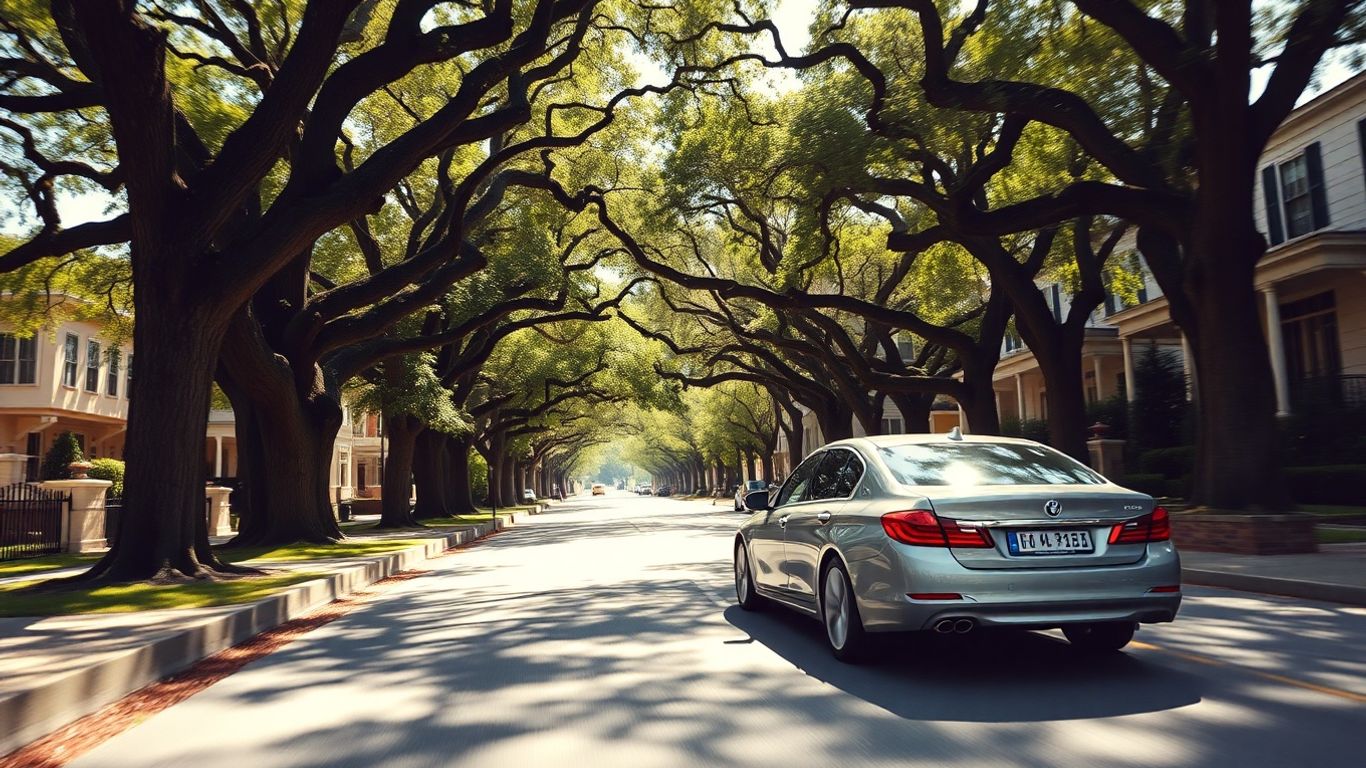
A clean rental car parked at the airport

Comparing rates across major rental agencies

Finding a competitive price requires looking at many providers, which can be time-consuming if done manually. Using a platform like DiscoverCars allows you to aggregate offers from numerous suppliers in one place. By seeing all options side by side, travelers can identify genuine value, ensuring they do not pay unnecessary premiums for a standard vehicle.

Transparency in hidden fees and security deposit requirements

Unexpected costs often surprise travelers at the rental counter, leaving them frustrated after a long flight. Platforms that prioritize clarity help you understand the full cost before you confirm. Being able to see requirements for security deposits upfront prevents awkward or expensive surprises during the collection process.

Managing bookings and modifications through the platform

Flexibility is crucial when travel plans change unexpectedly. The DiscoverCars interface makes it straightforward to adjust your reservation details or update your travel dates directly through your account. This control empowers you to adapt on the fly without needing to call multiple individual support lines.

Choosing the right vehicle for your Austin itinerary

Selecting compact cars for downtown Austin navigation

When exploring the city center and narrow streets, a smaller car often provides an advantage for parking and maneuverability. You will find that navigating dense urban areas is much more comfortable when you are not driving a oversized vehicle that struggles in tight spaces.

Benefits of renting a crossover for Texas Hill Country trips

Heading out into the region requires a vehicle that handles varied road conditions with ease. A crossover provides additional space and height, which is useful if you plan to visit state parks or scenic overlooks. The following table highlights common vehicle categories suitable for different travel needs:

Vehicle Category Best For Typical Capacity
Compact Sedan Downtown City Driving 2-4 Passengers
Crossover SUV Regional Road Trips 4-5 Passengers
Full-size SUV Large Families or Groups 6-8 Passengers

Selecting the right model based on your planned excursions ensures that your comfort level remains high throughout your stay.

Considering electric vehicle options in a tech-forward city

As a hub for technology, Austin offers an increasing number of charging stations that make electric vehicle rentals a viable choice. Choosing an EV can simplify your urban commute if your accommodation provides specific charging access. Testing out an electric car can also be a unique part of your Texas travel experience.

DiscoverCars.com

Understanding Austin driving regulations and parking

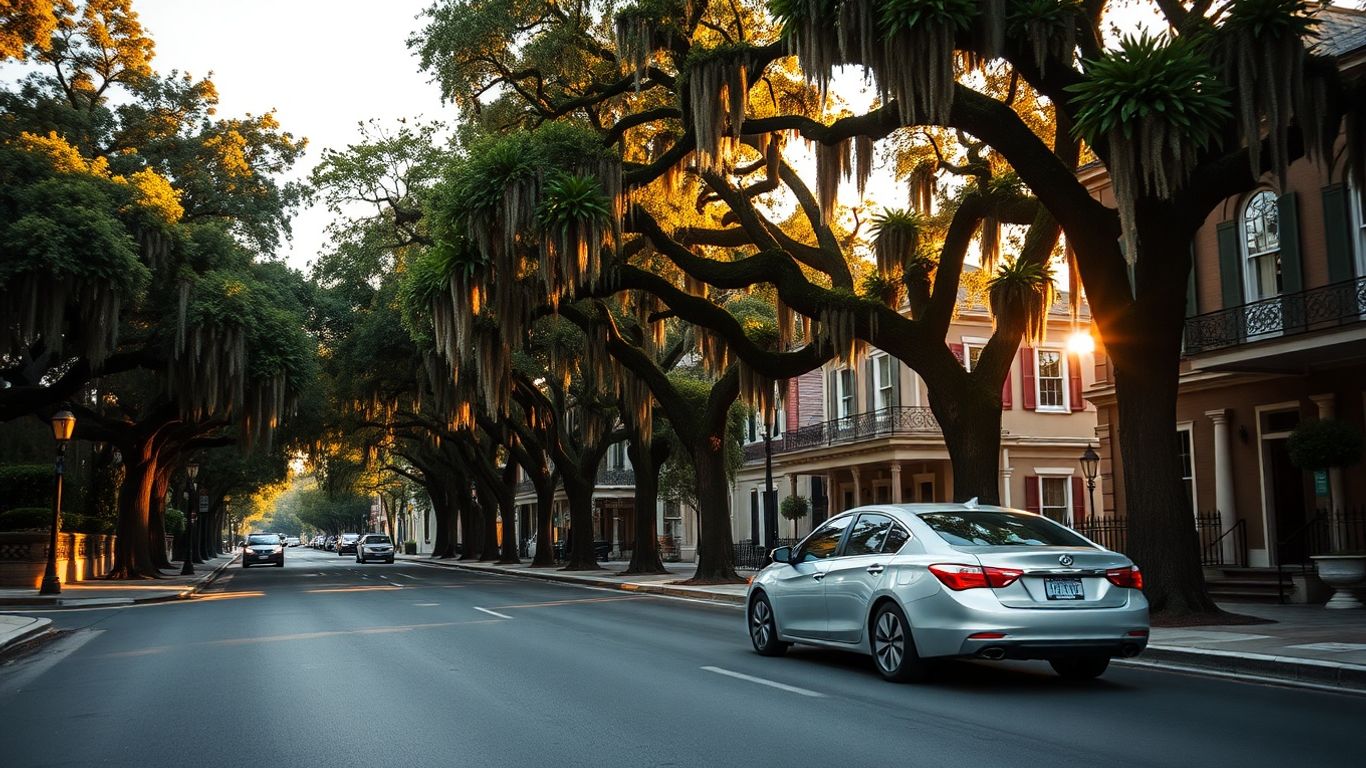
Downtown Austin scenic street view

Navigating downtown parking garages and residential permit zones

Parking in the heart of the city requires patience and a good eye for signage to avoid prohibited zones. Many visitors opt for established parking garages rather than attempting to find street parking, which is often limited and strictly enforced. Checking local ordinances for residential permit restrictions is a good practice if you are staying in neighborhood-style lodging.

Managing tolls on roads like SH 130

Texas highways often rely on electronic toll collection, which can be confusing for drivers accustomed to traditional payment methods. Many rental cars are equipped with toll transponders that allow you to use these express lanes automatically. Be sure to check with your rental agent about the daily toll policies, as some companies charge an additional service fee for this convenience.

Local traffic patterns and urban navigation tips

Austin traffic can get heavy during morning and evening rush hours, particularly on major thoroughfares. Planning your departures to avoid these windows saves significant time on the road. Familiarizing yourself with the core highway loop will help you move quickly between different areas of the city.

Essential tips for budget-conscious car rentals

Timing your booking for lower off-peak rates

You can often find lower daily rates by choosing to travel during non-peak months, which reduces the total cost of your Austin car rental. Prices fluctuate based on seasonal demand, so being flexible with your start date may yield significant savings. Securing your rate weeks or months ahead is a proven way to hedge against last-minute price hikes.

Understanding credit card versus rental agency insurance

Knowing what coverage you already possess is vital before you arrive at the counter. Many premium credit cards offer primary or secondary rental insurance, which might make additional agency policies redundant for your trip. Always verify the status of your coverage by calling the number on the back of your card before you travel.

Avoiding airport surcharges by picking up at off-site locations

While airport convenience is unmatched, it frequently comes with special taxes and facility fees that inflate your daily rate. Some travelers prefer to book at a downtown depot to avoid these specific airport costs. You can use platforms to compare the price difference between an airport pickup and an off-site location to see if the savings are worth the extra travel time.

Planning your Austin road trips with a rental

Selecting the best scenic routes in the Texas Hill Country

Driving through the gentle hills and winding roads west of the city serves as a highlight for many visitors. You should prepare for an itinerary that includes both main state roads and slower, more scenic lanes. Mapping your route ensures you reach charming small towns and swimming holes at the right time of day.

Managing fuel expectations for longer regional drives

Long-distance trips in Texas cover vast stretches of highway, making fuel economy a priority. It is always wise to keep an eye on your gauge when traveling through rural areas, as gas stations can be spaced far apart. To ensure a smooth adventure, consider these steps for managing your longer drives:

  1. Check your tire pressure and fluid levels before leaving the city.
  2. Download offline maps in case you lose cellular reception in remote zones.
  3. Keep an emergency supply of water and snacks in the trunk.
  4. Research gas station locations along your primary route in advance.

Taking these small precautions keeps your focus on the scenery rather than logistical worries.

Documentation requirements for extended multi-state travel

If your plans include crossing state lines, confirm your rental agreement permits such travel. Some companies restrict the distance or the number of states you can enter with one of their vehicles. Bringing your driver’s license, proof of insurance, and your rental contract is essential whenever you travel outside of local county lines.

Conclusion

Securing the right vehicle opens up the best of the region, from the lively city streets to the tranquil hills beyond. By using a clear comparison tool and planning your logistics, you can navigate your journey with confidence, knowing you have found a reliable car at a great value. Enjoy your time discovering everything this dynamic part of the country has to offer.

Ready to compare Austin rental prices?

Check live prices on DiscoverCars →

Frequently Asked Questions

Do I need an international driving permit to rent in Austin?

If your license was issued in a country that uses the Roman alphabet, most agencies will accept it without issues. However, if your license is written in a different script, bringing an official translation or an international permit is highly recommended to avoid any confusion at the counter.

Are there age-related surcharges for younger drivers?

Yes, most rental agencies impose a daily "young driver" fee for those under the age of 25. This cost can vary significantly by provider, so checking the specific age policy of your chosen agency before booking is a smart way to manage your overall expenses.

Can I rent a car with a debit card instead of a credit card?

It is possible to use a debit card, but the requirements are stricter than for credit cards. Some companies may require proof of a return travel ticket or a larger security deposit hold, so always clarify the debit card policy with the agency before you finalize your reservation.

Is it worth paying for the rental company’s insurance package?

Whether to pay for extra insurance depends on your existing coverage and your comfort with financial risk. If your personal car insurance or credit card provides sufficient collision and liability coverage, you may not need the agency’s product, but ensure your existing policy is valid for rental vehicles.

How far in advance should I book my vehicle?

Booking at least one to two weeks before your trip is generally sufficient, though during major Austin events, you should book as early as possible. Early booking helps ensure that the specific vehicle class you want, such as a fuel-efficient compact or a spacious family crossover, is actually available.

What happens if I return the car outside of business hours?

Many airport locations offer a drop-box service for keys after hours, but you should always confirm this option with your specific rental branch. If you plan to drop off the vehicle early or late, verify that the agency has a reliable procedure for accepting returns when the counter is unmanned.

Are pets allowed in rental vehicles?

Most agencies allow pets, but you are responsible for any cleaning or damage caused by the animal. Typically, there is no formal "pet fee," but if the car requires extra interior deep cleaning upon return, the agency may charge you for those professional services.

Disclosure: This article contains affiliate links. If you book through them, we may earn a commission at no extra cost to you. This helps support our free guides.


DiscoverCars Nashville: Nashville Car Rental Guide (2026)

DiscoverCars Nashville: Nashville Car Rental Guide (2026)

Key Takeaways

Planning a trip to Tennessee requires careful preparation to ensure cost-effective and stress-free travel. These five points highlight the most important aspects for your journey.

  • Visit Nashville during the off-peak winter months to benefit from significantly lower car rental rates.
  • Use a trusted platform like DiscoverCars to compare live rental prices and ensure you see the full all-in cost upfront.
  • Always carry a valid driver’s license from your home country, along with an International Driving Permit if necessary.
  • Factor in extra fees for airport pickup when calculating your total budget to avoid unexpected expenses.
  • Select a vehicle size that balances your passenger needs with the realities of navigating congested urban traffic.
DiscoverCars.com

Getting started with Nashville car rentals

When to book your Nashville rental car

Securing your reservation well in advance is a smart approach for any major trip. Booking at least seven to ten days before your arrival often helps travelers find more competitive pricing and better availability. By locking in your rate early, you provide yourself with much-needed stability as your departure date approaches.

Why choosing a reliable platform like DiscoverCars matters

Navigating the rental market can feel complicated when faced with countless agencies. Utilizing a comparison service like DiscoverCars allows you to view multiple providers simultaneously in one organized dashboard. This transparency helps you identify the best deal for your specific needs, ensuring you understand the total cost before confirming your booking.

Factoring in seasonality for Nashville travel

Tennessee experiences distinct shifts in tourism demand throughout the calendar year. Prices often spike during peak festival seasons and holidays, while mid-winter months like January frequently offer the most affordable rates for those seeking a value-focused getaway. Monitoring these seasonal fluctuations allows you to adjust your travel plans to match your budgetary goals.

Estimating your total trip budget

Understanding your total expenditure requires looking beyond the advertised daily rental price. Taxes, insurance premiums, fuel costs, and potential parking fees in the city center all contribute to your final bill. By calculating these variables early, you avoid the sting of surprise costs that can derail a planned vacation budget.

Understanding Nashville car rental locations

City skyline driving view

Renting from Nashville International Airport (BNA)

Most travelers find the airport the most convenient place to initiate their journey. The onsite rental facilities allow for a seamless transition from the terminal to your vehicle, saving you time after a long flight. It represents the easiest choice for many, though it is worth noting that added airport fees are common in this location.

Choosing downtown Nashville pickup points

For visitors staying in the heart of the city without immediate transport needs, downtown pick-up points offer excellent convenience. These branches are close to hotels and popular entertainment venues, making them ideal if you intend to explore the city on foot before heading out on any longer road trips. Keep in mind that downtown inventory can sometimes be more limited than airport fleets.

Exploring off-airport rental options for better rates

Seeking out agencies located just outside of the main transport hubs can be a savvy financial strategy for many renters. Off-airport locations frequently operate with lower overhead costs, which often reflects in the daily rates offered to customers. While you might need to arrange a brief ride to get there, the potential savings are often worth the minor inconvenience.

Logistics of picking up and dropping off your vehicle

Organization is the foundation of a smooth rental experience. Always verify the operating hours of your chosen office, as some off-airport locations may have limited weekend or evening accessibility. Ensure you have the drop-off time finalized to prevent late fees, and confirm whether the agency requires the vehicle returned with a full fuel tank.

Navigating Nashville car rental requirements and documents

Necessary identification and license requirements

Every rental contract mandates specific proof of identity and legal authorization to operate a vehicle. Most companies require a valid government-issued driver’s license that has been held for at least one year. These documents must be presented at the counter, so keep them easily accessible in your travel carry-on.

Understanding age restrictions for young drivers

Renters under the age of 25 are frequently subject to specific policies and additional surcharges. Rental agencies view younger drivers as a higher risk, necessitating these extra fees to protect against potential damages. Always review the age-related policy of your specific provider before completing your reservation to avoid surprises.

Credit card and deposit policies for local rentals

Rental companies typically require a credit card in the main driver’s name to place a security hold on your account. This hold covers potential damages, incidentals, or late returns, and it is usually released after the vehicle is returned in good condition. Be aware that debit cards are often accepted but may come with more stringent requirements regarding proof of return travel.

International driver requirements for non-US visitors

Visitors traveling from outside the United States should confirm if their home license is sufficient for driving in Tennessee. While many agencies accept foreign licenses, some may also request an International Driving Permit for clarity and verification purposes. Bringing this document ensures that local authorities and rental staff can easily interpret your background.

DiscoverCars.com

Strategies for finding the best deals in Nashville

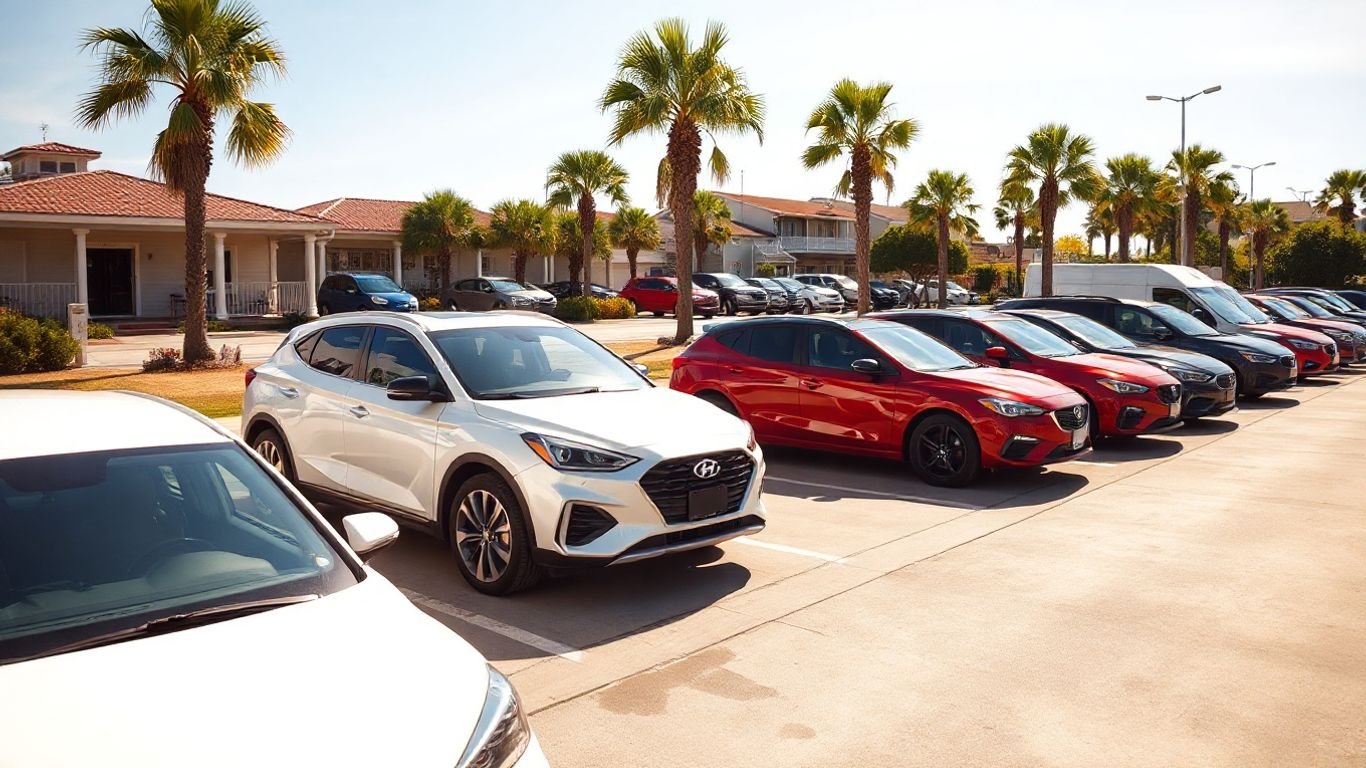
Rental car parking area

Comparing prices across rental companies

Price discrepancy between different providers is quite common in any metropolitan area. Using a dedicated comparison platform acts as a powerful tool to scan the market for lower daily rates that might otherwise be overlooked. Comparing options side-by-side reveals which agencies are currently offering discounts or promotional vehicle classes that align with your budget.

Avoiding peak traffic surcharges and airport fees

Navigating your way to a lower bill involves being proactive about where and when you finalize your agreement. While airport pickup is convenient, factoring in the associated premium is essential for honest budgeting. If you find the airport premiums too steep, look for neighborhood locations that are accessible via rideshare or public transit.

Leveraging reward programs and loyalty discounts

Many travelers overlook the value of participating in rental brand loyalty programs. If you rent frequently, linking your membership to your booking often unlocks exclusive discounts or priority service at the counter. These programs are simple to join and provide a long-term benefit for road-trippers who travel often.

Booking in advance versus last-minute rental strategies

Booking early is almost always the preferred tactic for those looking to save money. Last-minute rentals put you at the mercy of whatever inventory remains, which is rarely the most affordable option. Planning ahead ensures you have your choice of vehicle class and you secure the lowest available price for your chosen dates.

Vehicle selection for Nashville terrain and travel

Compact cars for navigating downtown traffic

Compact vehicles offer superior maneuverability when traveling through dense areas with tight parking. Many visitors prefer these smaller models because they are generally more fuel-efficient and easier to park in hotel garages or crowded entertainment districts. For those staying purely within the city limits, a small sedan is often the most practical choice.

SUVs for family road trips beyond the city limits

If your plans involve venturing out into Tennessee’s scenic mountain regions or state parks, an SUV is a better fit. These vehicles provide the extra power and cargo space necessary for long-distance driving and handling winding road conditions. Below is a simple guide to common rental classes:

Vehicle Class Best For Typical Capacity
Compact City Driving 2-4 Passengers
Intermediate Small Families 5 Passengers
Full-Size SUV Long Road Trips 5-7 Passengers

Evaluating fuel efficiency for longer stays

Your choice of vehicle has a direct impact on your total trip cost because fuel prices can fluctuate significantly. Consider the duration of your trip and your planned mileage before deciding on a larger vehicle. Choosing a high-efficiency model is a great way to save money if your itinerary involves driving through different regions of the state.

Assessing trunk space for luggage and instruments

Nashville’s rich musical heritage often inspires visitors to bring along their own instruments or creative gear. Before finalizing your booking, you must consider the following list of items to ensure your chosen car has sufficient storage room:

  • Amount of checked luggage or carry-on bags you plan to transport.
  • Any specialized equipment such as cameras, musical instruments, or sports gear.
  • Number of passengers joining you, as their personal items add up quickly.
  • Whether you will be purchasing gifts or souvenirs during your stay.

Insurance and safety for your Nashville rental

Reviewing your existing auto insurance coverage

Before you purchase additional protection at the counter, check your current policy. Some personal auto insurance plans or even credit card agreements provide basic collision coverage for rental vehicles. Understanding what you already have prevents you from paying for protection that you do not need.

Understanding collision damage waivers offered by agencies

Most rental offices present a collision damage waiver to limit your financial liability in the event of an accident. While not technically insurance, it is a contractual agreement that removes your responsibility for major repair costs caused by collisions. Review the terms of this waiver carefully, as some policies have specific exclusions for tires or windshield damage.

Checking for additional protection against theft

Vehicle theft protection is an optional add-on that provides peace of mind in high-traffic urban centers. If you are concerned about leaving your vehicle parked in public spaces, discussing this coverage with your DiscoverCars rental provider is a prudent step. They can explain exactly what is included in their protection plans to clarify the extent of your coverage.

Essential road safety tips for driving in Nashville

Safe driving begins with being aware of your surroundings, especially in a city with heavy traffic patterns. Familiarize yourself with local toll-road regulations before you start your drive to avoid being caught off guard by electronic payment requirements. Always stay focused on the road, utilize turn signals early, and keep a safe distance from other vehicles.

Conclusion

Navigating your visit to Tennessee becomes a simple affair when you prepare with these practical steps. By carefully selecting your pickup location, choosing the right vehicle class for your itinerary, and understanding your insurance options, you can enjoy all that the city has to offer without unnecessary stress. Remember that proactive booking through DiscoverCars remains one of the best ways to keep your logistics organized and your travel budget intact.

Ready to compare Nashville rental prices?

Check live prices on DiscoverCars →

Frequently Asked Questions

Is it necessary to rent a car in Nashville?

While the downtown core has some walkability, a vehicle is highly recommended if you intend to explore state parks, surrounding neighborhoods, or nearby tourist attractions effectively.

Can I pay for my [Nashville car rental] with a cash deposit?

Most standard agencies require a credit or debit card for the initial hold, so it is rarely possible to rely on cash exclusively for the security deposit.

Are there any hidden fees to watch out for at pickup?

Always verify charges for young driver surcharges, additional driver fees, and airport location taxes, as these can easily inflate your total if they were not disclosed in your initial booking.

What should I do if I am involved in an accident?

Immediately contact the police to file a report, then notify your rental agency and your insurance provider to begin the necessary claims process while in the city.

Does my personal car insurance cover rental cars in Tennessee?

Each policy is different, so it is vital to contact your insurance provider before you travel to confirm whether your collision and liability coverage extends to rentals.

How far in advance should I book my rental for the best price?

As a rule of thumb, aiming to book at least one to two weeks before your trip usually positions you to capture the most competitive rates available.

Can I drive my rental car across state lines?

Most rental companies allow you to take the vehicle into neighboring states, but you must confirm this in your contract to ensure your insurance and mileage agreements remain valid.

Disclosure: This article contains affiliate links. If you book through them, we may earn a commission at no extra cost to you. This helps support our free guides.

DiscoverCars San Diego: San Diego Car Rental Guide (2026)

DiscoverCars San Diego: San Diego Car Rental Guide (2026)

Key Takeaways

Planning your next trip to Southern California involves careful preparation regarding transportation. These essential points ensure you navigate your travel needs efficiently.

  • Book your rental at least one week in advance to secure the best rates.
  • Use a reputable comparison platform to manage rental costs and expectations.
  • Verify your rental company’s policy on security deposits before your arrival.
  • Inspect the vehicle thoroughly for pre-existing damage before leaving the lot.
  • Consider supplemental liability coverage to protect yourself during your Californian road trip.
DiscoverCars.com

Renting a vehicle at San Diego International Airport

San Diego International Airport (SAN) serves as the main gateway for visitors aiming to explore the Southern California coastline. Understanding the logistical layout of the terminal allows travelers to transition quickly from landing to driving. By knowing where to find your service provider, you reduce stress and start your journey with confidence.

Convenient pick-up options at SAN

The rental car hub at the airport streamlines the process by centralizing dozens of suppliers in one facility. This dedicated center allows travelers to compare vehicles alongside their chosen agency without leaving the immediate grounds. Many providers here offer digital check-in services to expedite the transition from desk to keys.

Shuttle services to off-site rental lots

For agencies situated outside the primary center, various companies provide courtesy transportation to their specific facilities. You can find efficient rental car options by checking which agencies operate shuttles directly from the designated airport zones. If you have chosen a company without a direct airport presence, consult your booking confirmation for exact meeting points and shuttle schedules.

Arrival procedures for travelers flying into San Diego

Upon landing, follow signs for ground transportation to reach the centralized shuttle pickup area. Once you arrive at your provider’s lot, verify your reservation details and complete the initial inspection. Taking a moment to document the vehicle’s condition ensures you secure your perfect vehicle without future billing disputes.

Navigating the DiscoverCars platform for San Diego

Choosing a reliable booking method is just as important as selecting the right car. A robust meta-search engine simplifies the complex market by aggregating live inventory and pricing data. This approach brings transparency to the rental process, helping you avoid hidden fees that often cloud local travel planning.

Modern car rental search screen

Benefits of using DiscoverCars to compare prices

When you use DiscoverCars, you gain access to a platform that evaluates live rates from various suppliers. This tool helps you identify the most cost-effective options, ensuring that comparisons are based on total price rather than just base daily rates. The clarity provided by such a service is essential for travelers managing a set budget.

Filtering results by specific vehicle types and features

Customizing your search allows you to prioritize needs like fuel efficiency, trunk size, or specific amenities like all-wheel drive. Whether you need a compact city car for downtown exploration or a spacious SUV for coastal trips, the filter settings ensure your options match your exact itinerary. This granular control saves time and prevents selecting a vehicle that does not accommodate your gear or passengers.

Managing your booking through the DiscoverCars user dashboard

Once a reservation is confirmed, the online dashboard acts as your primary point of control. You can modify dates, contact support, or verify insurance coverage details without calling multiple local offices. Accessing your booking status in one centralized location gives you peace of mind while you are on the road.

Essential documentation and rental policy requirements

Every rental contract mandates specific documents to ensure legitimacy and financial responsibility for the vehicle. California policies are generally standard, but verifying requirements before departure prevents last-minute issues. Familiarizing yourself with these expectations is a critical part of being a prepared traveler.

Minimum age restrictions for California car rentals

California law and rental company policies often impose surcharges or restrictions based on driver age. While many companies allow rentals starting at age 21, drivers under 25 frequently pay a young-driver fee. Always confirm these specific surcharges before finalizing your booking to avoid unexpected costs.

Accepted forms of payment and security deposit needs

Understanding the financial requirements for your rental is essential. Rental companies typically place a hold on your credit card to cover potential liabilities, which is separate from your estimated rental charge.

Payment Type Policy Impact Security Hold Level
Credit Card Standard Lower Amount
Debit Card Restricted Higher Amount
Prepaid Cards Not Accepted N/A

Most providers prefer credit cards for these hold requirements, as debit card users may face stricter criteria and larger deposit blocks. Always call ahead to verify if your specific agency accepts your chosen payment method.

International Driver’s Permit requirements for visitors

International travelers must carry a valid foreign driver’s license, and in many cases, an International Driver’s Permit (IDP) is strongly recommended for translation purposes. While not always strictly mandated in California, having an IDP ensures that local traffic authorities can instantly understand your documentation. It serves as a secondary safeguard during traffic stops or routine vehicle checks.

Choosing the right insurance and protection plans

Protecting yourself during the rental period is not just about adhering to local laws but also about managing financial risk. Determining what coverage you currently possess informs your decision on whether to purchase additional plans. This clarity helps you balance protection with your overall travel spending.

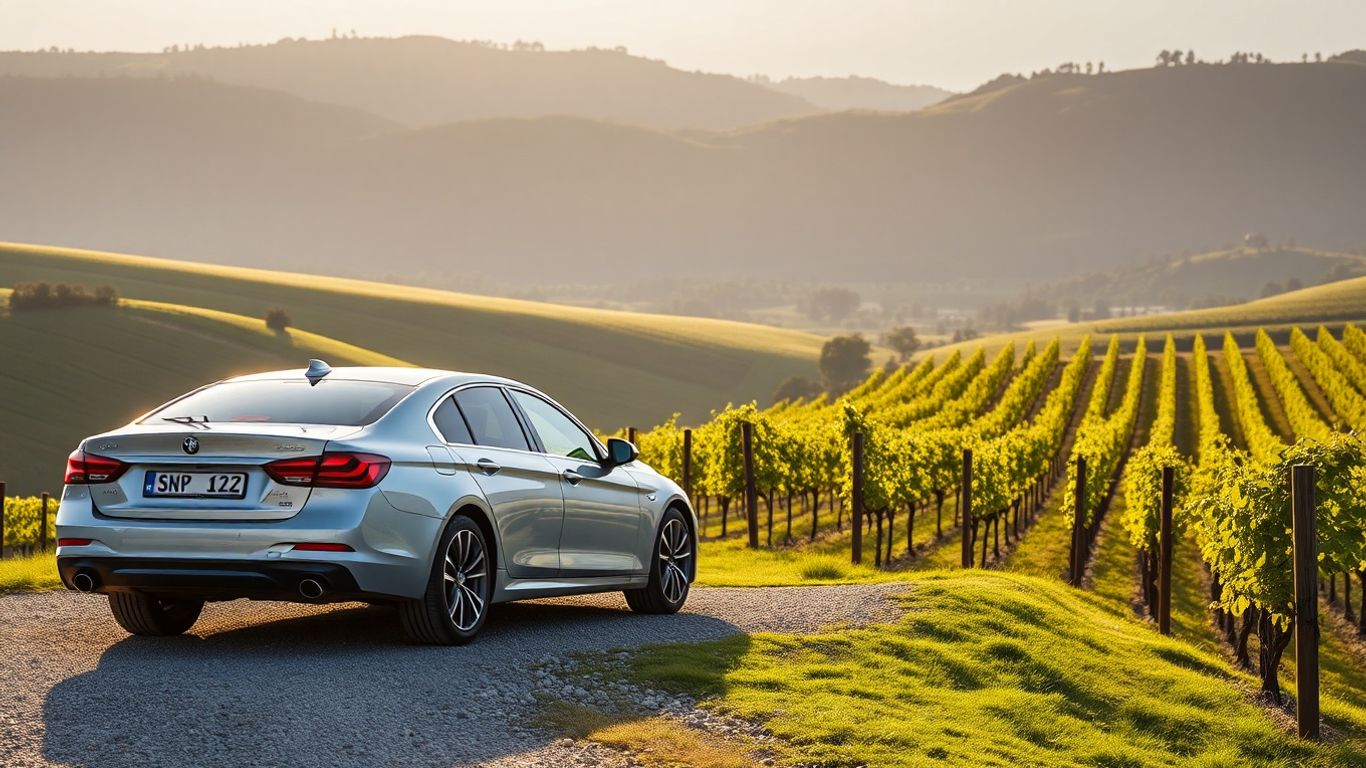
Vehicle parked at a scenic lookout

Understanding credit card rental insurance coverage

Many credit cards offer secondary coverage for rentals when you pay for the entire booking with that specific card. However, this coverage often excludes specific vehicle classes like exotic cars or large vans. Researching these terms helps you understand the gap between your existing coverage and the protection you need for your trip.

Full coverage options offered through DiscoverCars

For those who prefer a comprehensive solution, the platform provides clear, itemized protection plans. These options often eliminate the confusion regarding what the supplier covers versus what your personal insurance provides. This simplicity helps you make informed choices about your financial liability in the event of an accident.

What to look for in supplemental liability policies

Supplemental liability coverage acts as a vital safety net for potential property damage or injury to other parties. Consider these key elements when reviewing your protection strategy:

  • Does the policy cover the full extent of potential legal claims?
  • Is there a specific deductible associated with the primary excess coverage?
  • Does the policy extend to additional drivers listed on the rental agreement?
  • Are there specific types of road damage excluded from the protection?

By carefully reviewing these aspects, you ensure that your trip remains financially settled regardless of any minor incidents on the road.

DiscoverCars.com

Driving and parking in the San Diego area

San Diego offers a diverse landscape that spans from rugged northern cliffs to bustling urban historic districts. Navigating these areas effectively hinges on your familiarity with traffic flow and local parking realities. Having a clear plan for your driving days allows you to spend more time sightseeing and less time circling blocks.

Best routes for coastal scenic drives

Driving north along the coast provides some of the most iconic views in California. Routes like the Pacific Coast Highway offer endless vistas, but they are most enjoyable when you avoid peak commute times. Plan your coastal drives for mid-morning or late afternoon to experience the best natural light and thinner traffic density.

Managing traffic patterns on the I-5 and I-805

Both the I-5 and I-805 are primary arteries that experience heavy congestion during morning and evening rush hours. Local travelers often use traffic apps to monitor real-time road conditions. When possible, plan your long-distance movements outside of the 7:00 AM–9:00 AM and 4:00 PM–6:00 PM windows to save significant time.

Finding public parking in areas like La Jolla and the Gaslamp Quarter

Parking in dense urban or tourist areas requires patience and preparation. In the Gaslamp Quarter, parking garages offer a more secure and reliable option than street parking. In La Jolla, arrive early during summer months to find spots near the beaches, as parking becomes limited once the tourist crowds arrive.

Trends and tips for San Diego car rental in 2026

Staying informed about market shifts allows you to adapt your planning to the current environment. 2026 brings new challenges and opportunities for visitors, particularly regarding inventory and seasonal variance. Using data-driven San Diego car rentals strategies ensures you remain ahead of these fluctuations.

Seasonal pricing fluctuations to watch for

Rates in San Diego correlate strongly with local events and holiday schedules. Prices generally peak during early summer and major public holidays, while the winter months often offer more competitive entry points. Awareness of these cycles helps you identify the value-driven windows for your trip.

Electric vehicle availability in Southern California

Electric vehicles have become a common request among travelers looking to reduce their carbon footprint while navigating the sunshine state. Many rental agencies now include options for EV models, but availability varies by fleet location. If an EV is a priority for your itinerary, check the availability during the booking phase to ensure that charging compatibility meets your travel route.

Strategies for securing lower rental rates well in advance

Proactive planning remains the most effective tool to book smart and save. By monitoring pricing trends and locking in your vehicle as soon as your travel dates are set, you avoid the volatility of last-minute demand. Early booking rewards you with both better selection and more consistent pricing.

Conclusion

Navigating car rentals in San Diego is straightforward when you utilize reliable comparison tools and stay informed about local policies. By preparing your documents, understanding insurance options, and planning your routes in advance, you can focus on enjoying the scenic beauty of Southern California. Whether you are exploring the coast or navigating the vibrant city, a well-planned rental experience ensures your trip is efficient and memorable.

Ready to compare San Diego rental prices?

Check live prices on DiscoverCars →

Frequently Asked Questions

Do I need a special license for a rental car?

You generally need a valid driver’s license from your home country, and if the license is not in English, an International Driver’s Permit is highly recommended to ensure you are compliant with local traffic laws.

What happens if I return the car late?

Most rental companies allow a short grace period, but returning a vehicle after that time typically triggers an additional daily charge or a hourly late fee specified in your rental agreement.

Can I add an extra driver to my rental?

Yes, extra drivers can usually be added to your contract at the rental counter, though the company may charge a daily fee and require that the additional driver present their own valid license.

Are toll roads common in San Diego?

While there are limited toll lanes in the San Diego region, most major routes are toll-free, though it is always wise to confirm if your rental vehicle comes with an electronic toll pass.

Is it better to book directly or through a platform?

Using a reputable comparison platform allows you to view multiple prices and vehicle options in one place, which commonly helps you secure a better rate than you might find with a single individual agency.

What is a security deposit hold?

A security deposit is a temporary hold placed on your credit card to ensure the vehicle is returned in good condition, which is automatically released by your bank after the return process is complete.

Are there mileage limits on rentals?

Some rentals come with unlimited mileage, while others include a set cap per day, so it is essential to check the policy details in your rental agreement before you start your drive.

Disclosure: This article contains affiliate links. If you book through them, we may earn a commission at no extra cost to you. This helps support our free guides.

DiscoverCars San Francisco: SF Car Rental Guide (2026)

DiscoverCars San Francisco: SF Car Rental Guide (2026)

Key Takeaways

San Francisco presents unique driving challenges that require thoughtful planning before your arrival. These tips will help you navigate the city efficiently while managing your rental budget.

  • Book your vehicle at least one week in advance to secure optimal rates during peak travel times.
  • Consider pickup locations based on your specific itinerary, choosing between airport hubs or urban satellites.
  • Familiarize yourself with local parking signage to avoid heavy daily fines while exploring the city streets.
  • Use comparison platforms to view total rental costs upfront, which helps in identifying hidden fees early.
  • Plan day trips strategically to account for seasonal road conditions in areas like Yosemite or the coast.
DiscoverCars.com

Understanding car rental in San Francisco

Is a rental car necessary for a city visit?

Deciding whether to rent relies heavily on your itinerary. While the city’s central neighborhoods boast excellent public transit and walkability, many visitors find that a San Francisco car rental provides essential freedom for exploring the greater Bay Area. Without one, visiting distant coastal sites or climbing to the city’s highest viewpoints can become logistically taxing and physically demanding due to the steep inclines found throughout various districts.

Geography and street parking realities

Navigating the city feels like an urban obstacle course of hills and strict local regulations. Street parking is limited, particularly in popular areas, and often restricted by complex permit zones that change throughout the day. Tourists frequently underestimate the time required to find legal street parking, making it a critical aspect of your daily transport strategy.

Optimal booking windows for 2026 travelers

Tracking trends is vital as demand fluctuates throughout the year. Typically, booking around seven days before your departure secures the most favorable rates, according to booking insights. Planning ahead allows you to compare diverse vehicle fleets, ensuring you choose an efficient model suited for city streets rather than an oversized SUV that might hinder your parking efforts.

Why use DiscoverCars in San Francisco

Rental vehicles arriving at local SF agency

Comparing rental provider price transparency

Managing a trip budget requires clear visibility into total costs. DiscoverCars functions as a meta-search engine that simplifies this by showing you all-in pricing from various agencies in one place. This transparency helps you avoid sticker shock upon arrival, as you can easily evaluate the base rate against mandatory taxes and surcharges before finalizing your reservation.

Filtering for vehicle types and fuel efficiency

Finding the perfect car involves balancing space with maneuverability. You can filter for specific fuel-efficient sedans or compact SUVs that perform well on tight, hilly streets.

  • Filter results by transmission type to ensure driver comfort during steep hill starts.
  • Select fuel-efficient models to minimize costs during long day trips to nearby parks.
  • Compare fleet categories like luxury, economy, or rugged SUVs based on your specific travel goals.
  • Sort results by user rating to ensure you work with companies known for high-quality maintenance.

This filtering process guarantees that your vehicle choice supports your actual travel needs, rather than just what is available at the counter.

Navigating the DiscoverCars cancellation policy

Life rarely follows a perfectly rigid schedule, and flexibility is a key component of modern travel. Understanding how to manage your booking through DiscoverCars provides the agility needed to modify or cancel your plans as necessary. Always review the policy details associated with your specific rate type, as these can vary between providers showcased on the platform.

Picking up your rental: SFO vs. downtown offices

Pros and cons of SFO airport rental centers

Choosing to pick up at the airport is often the most straightforward move for those flying in. Most major agencies operate out of the centralized SFO rental car center, accessible via the AirTrain. While this offers the widest variety of vehicle choices, the proximity to the city center might be lower than neighborhood offices, meaning you will start your journey immediately on regional highways.

Convenience of downtown neighborhood locations

If you prefer to spend a few days exploring central neighborhoods sans car, picking up at a downtown location is a smart strategy. Locations near Union Square or the Financial District allow you to bypass airport transit time when you are finally ready to head toward the coast or nearby wine regions. This is an ideal way to avoid unnecessary storage fees for a car you aren’t using while simply walking to local landmarks.

Returning a vehicle during non-business hours

Returning your vehicle after closing time requires advanced coordination to ensure you handle the check-in correctly. Most agencies provide a drop box for keys, but documenting the vehicle’s condition with timestamped photos is a recommended practice for your own peace of mind. Check ahead to see if your chosen location facilitates a 24-hour return, as office hours in smaller downtown spots tend to be more restricted than at the main airport hubs.

DiscoverCars.com

Navigating costs and potential fees

California coastline visible from a rental sedan

Breaking down California rental taxes and surcharges

Fees in California can sometimes appear complex due to specific municipal levies. These charges cover everything from local transit investments to airport access fees, and they are usually added on top of your quoted daily rate.

Fee Category Description Impact on Budget
Airport Surcharge Facility costs based at SFO Moderate
Tourism Assessment State-wide travel fund Low
Environmental Fee Sustainability levies Low
Sales Tax Standard local tax percentage High

Reviewing these line items before confirming your reservation ensures your quoted total matches your actual final payment. Being aware of these items allows you to adjust your budget or reconsider vehicle classes if the total exceeds your expected limit.

Understanding insurance requirements in California

California law requires basic liability coverage, but rental agreements often include additional protection options. It is helpful to understand if your credit card or personal auto policy provides adequate coverage for rentals in the state. Deciding on supplemental coverage through your agency can simplify your experience, providing a clear path for claims if any minor damage occurs during your trip.

Managing security deposits and credit card holds

Rental companies typically place a ‘hold’ on your credit card to ensure payment and cover potential incidents, which differs from a formal charge. This hold should be returned to your credit limit after you successfully return the vehicle, provided no issues arise. It is best to use a credit card rather than a debit card for these holds, as it ensures your actual cash balance is not impacted during your rental period.

Driving and parking strategies in the city

Understanding parking permits and street sweeping rules

San Francisco enforces strict street sweeping schedules, which can lead to rapid ticketing and towing if ignored. Signs along the curb will detail the specific days and times when parking is prohibited to allow for sweepers. Keeping a sharp eye on these signs is the most effective way to protect your budget from unexpected municipal fines.

Mastering San Francisco’s steep gear and hill etiquette

Drivers accustomed to flat terrain will find the city’s legendary hills a notable adjustment. Utilize your gears effectively to manage momentum, and always remember to turn your wheels toward the curb when parking on any incline. This standard local practice prevents your car from rolling should the parking brake be compromised, a common tip shared by locals.

Tips for avoiding common urban traffic violations

Urban environments present unique rules, such as specific lane requirements for turning and strict enforcement of red-light cameras. Sticking to primary thoroughfares and avoiding shortcuts through narrow residential streets—which often have hidden restrictions—can help you stay compliant. Staying alert to pedestrians and cyclists, who are prominent in the city’s transit ecosystem, is also vital for avoiding accidents.

Planning day trips from San Francisco

Scenic coastal drives toward Big Sur

Taking a trip down the Pacific Coast Highway offers some of the most stunning views in the region. This drive is best enjoyed at a leisurely pace, allowing for stops at viewpoints like Bixby Creek Bridge. Start early to maximize your daylight hours along the coast, as the winding roads require careful attention and slower driving speeds.

Wine country excursions to Napa and Sonoma

Heading north to the valleys provides a relaxing escape with world-renowned scenery. Most visitors find that a full day is required to visit a few vineyards while ensuring a safe, designated driver approach. Plan your route to avoid major commute bottlenecks, which can significantly expand your travel time during morning and evening hours.

Mountain driving conditions for Yosemite National Park

Visiting the mountains requires checking road conditions, especially if your trip falls during the cooler months. Chains may be required for specific routes, and mountain terrain demands a vehicle with reliable braking and traction. Always prioritize safety over speed when navigating the winding mountain passes leading into the park gates.

Conclusion

Exploring San Francisco and the wider Bay Area becomes significantly more rewarding when you arrive informed and prepared for the local driving environment. By selecting the right rental through reliable comparison tools like DiscoverCars, understanding the dynamics of city parking, and planning your daily routes with awareness of local geography, you can avoid unnecessary stress and focus on your adventure. Whether you are coastal cruising or heading toward the high mountains, staying adaptable to the city’s unique charm will ensure your trip is memorable and smooth.

Ready to compare San Francisco rental prices?

Check live prices on DiscoverCars →

Frequently Asked Questions

Do I need an international driving permit to rent in San Francisco?

Most visitors with a valid license from their home country can rent a car without needing an international permit, but it remains a smart practice to carry a passport alongside your license for agency verification.

Are the city’s narrow streets difficult for larger rental vehicles?

Navigating in a massive SUV can be taxing on narrow streets or in tight garages, so choosing a smaller, compact vehicle often makes urban navigation much more comfortable and parking significantly easier.

How long does it usually take for a security hold to clear?

Depending on your banking institution, security holds are typically released within a few days of the final inspection, though it may take up to two weeks in some scenarios.

Can I bypass airport rental lines?

Many agencies now offer digital check-in or loyalty program bypasses that allow you to go straight to a designated parking stall, effectively skipping the traditional desk interaction.

What should I do if my rental car has a minor scratch upon pickup?

It is essential to notify your rental provider immediately and ensure the damage is documented on your rental contract before you drive the vehicle off the lot.

Is traffic significantly worse during weekend hours?

Weekend traffic remains quite active due to tourist movement, but weekday morning and evening commutes are often more congested due to local workforce travel into the city center.

Are there specific fuel types recommended for mountain day trips?

While standard gasoline is perfectly sufficient, choosing a vehicle with reliable engine power is more important than specific fuel types when tackling the steep inclines in mountainous regions like Yosemite.

Disclosure: This article contains affiliate links. If you book through them, we may earn a commission at no extra cost to you. This helps support our free guides.
DiscoverCars Yellowstone: Yellowstone Car Rental Guide

Yellowstone's Grand Prismatic Spring

Renting a car for Yellowstone isn’t optional — the park is bigger than some states and has no public transit, so a rental is the only way to see it. From Old Faithful to the Grand Prismatic Spring, the sights are spread across long distances, and a car lets you explore on your own schedule. Comparing suppliers on DiscoverCars helps you find the cheapest rate, whether you fly into Jackson, Bozeman, or Cody.

Last updated: July 2026.

Key Takeaways

  • A rental car is essential — Yellowstone has no public transit and is huge.
  • Five gateway towns access the park; Jackson (JAC) and Bozeman (BZN) are top airports.
  • Most park roads close to cars from early November to late April (snow season).
  • A standard car works in summer; distances inside the park are long, so plan fuel.
  • Compare suppliers on DiscoverCars to find the cheapest rate for the drive.
DiscoverCars.com

Do You Need a Car to Visit Yellowstone?

Absolutely. Yellowstone covers about 3,470 square miles with no public transportation inside or to the park. The main attractions — geysers, canyons, and wildlife-viewing valleys — are separated by long drives on the park’s Grand Loop Road. Without a car, you simply can’t reach them.

A rental also lets you combine Yellowstone with neighboring Grand Teton National Park, which shares the southern entrance and is one of the best pairings in the national park system.

Where Should You Rent a Car for Yellowstone?

Five gateway towns ring the park, each with a different airport and entrance. Your best choice depends on flight prices and which part of the park you want first:

  • Jackson, WY (JAC) — south entrance via Grand Teton; scenic but pricier flights.
  • Bozeman, MT (BZN) — north/west entrances; often the best mix of flights and rental rates.
  • Cody, WY (COD) — east entrance; smaller airport, quieter approach.
  • Idaho Falls, ID (IDA) — west entrance via West Yellowstone; budget-friendly option.
  • Billings, MT (BIL) — northeast entrance; good for the Beartooth Highway route.

Bozeman and Jackson are the most popular hubs — see our DiscoverCars Montana guide and Wyoming guide for local rental tips.

DiscoverCars.com
Driving through a Yellowstone valley with bison

How Far Is Yellowstone From Major Airports?

Yellowstone’s gateways sit at different distances from the entrances. Here are the key drives to help you plan flights and rental days:

From (airport)To entranceDistanceDrive time
Bozeman (BZN)North / West~80–90 miles~1h 30m
Jackson (JAC)South (via Grand Teton)~60 miles~1h 15m
Cody (COD)East~53 miles~1h
Idaho Falls (IDA)West~110 miles~2h
Salt Lake City (SLC)South (via Grand Teton)~320 miles~5h
Approximate distances to the nearest entrance; the park itself adds long internal drives.

Once inside, distances stay long: the Grand Loop Road is about 140 miles, so budget plenty of driving time and keep the tank topped up — gas stations inside the park are limited.

What Kind of Car Should You Rent for Yellowstone?

In summer, a standard sedan handles every paved park road comfortably. The Grand Loop and entrance roads are well-maintained, so you don’t need an SUV for the classic sights.

Consider an SUV or AWD if you’re visiting in shoulder season (late spring or fall), when mountain passes like the Beartooth Highway can see sudden snow. For a summer trip focused on the main loop, a regular car is the cheaper, sensible choice.

When Is the Best Time to Visit Yellowstone?

Summer (June to August) is peak season — all roads open, full services, and the best wildlife viewing, but also the biggest crowds and highest rental prices. Late spring and early fall offer thinner crowds and lower rates, with most roads still open.

Crucially, most park roads close to regular vehicles from early November to late April due to snow, when access shifts to snowcoaches and snowmobiles. If you want to drive the park yourself, plan for roughly May through October.

How Can You Save on a Yellowstone Rental?

A few habits keep a Yellowstone road trip affordable:

  • Compare suppliers — rates vary a lot between the gateway airports.
  • Fly into Bozeman or Idaho Falls — often cheaper than Jackson for flights and cars.
  • Book early — summer demand pushes both flights and rentals up fast.
  • Confirm unlimited mileage — the park’s long internal drives add up quickly.
  • Mind the young driver fee — under-25 renters pay extra; see our age guide.

For the under-25 surcharge and how to avoid it, see our rental car age requirements guide.

Ready to compare Yellowstone rental prices?

Check live prices on DiscoverCars →

Frequently Asked Questions

Do you need a car to visit Yellowstone?

Yes. Yellowstone is about 3,470 square miles with no public transit inside or to the park, and the main sights are separated by long drives on the Grand Loop Road. A rental car is the only practical way to see the park, and it lets you add neighboring Grand Teton too.

Which airport is best for Yellowstone?

Bozeman (BZN) and Jackson (JAC) are the most popular. Bozeman often has the best mix of flight and rental prices for the north and west entrances, while Jackson accesses the south entrance via Grand Teton. Cody, Idaho Falls, and Billings serve the other entrances.

Can you drive through Yellowstone in winter?

Mostly no. Most park roads close to regular vehicles from early November to late April due to snow, when access shifts to snowcoaches and snowmobiles. To drive the park in your own rental, plan for roughly May through October.

Do you need an SUV for Yellowstone?

Not in summer — a standard sedan handles every paved park road. An SUV or AWD is worth considering in shoulder season, when mountain passes like the Beartooth Highway can see sudden snow. For a summer loop, a regular car is fine.

Related DiscoverCars Guides

Disclosure: This is an independent guide. This article contains affiliate links to DiscoverCars; if you book through them we may earn a small commission at no extra cost to you. It never changes what you pay or what we recommend.

DiscoverCars Zion: Zion National Park Car Rental Guide

Zion National Park canyon and cliffs

Renting a car for Zion National Park isn’t optional — it’s the only practical way to get there. There’s no public transit to the park, so a rental gives you the freedom to reach Zion and pair it with Bryce Canyon or the Grand Canyon on your own schedule. Comparing suppliers on DiscoverCars helps you find the cheapest rate, whether you start in Las Vegas or nearby St. George.

Last updated: July 2026.

Key Takeaways

  • A rental car is essential to reach Zion — there’s no public transit to the park.
  • Las Vegas (~2h 45m) and St. George (~45m) are the main rental hubs.
  • Inside Zion, a free shuttle runs the canyon; private cars are restricted in peak season.
  • A standard car is fine — every road you need is paved.
  • Compare suppliers on DiscoverCars to find the cheapest rate for the drive.
DiscoverCars.com

Do You Need a Car to Visit Zion?

Yes — getting to Zion requires driving. There’s no train or through bus service, and while the town of Springdale sits at the park’s doorstep, you still need a vehicle to reach it. A rental also lets you explore beyond Zion, since the best Southwest trips pair it with nearby parks.

One quirk: inside Zion Canyon, private cars are restricted during the busy season (roughly spring through fall). A free park shuttle runs the scenic drive instead, so you park your rental and ride the shuttle in — but you still need the car to get to the park and explore the rest of the region.

Where Should You Rent a Car for Zion?

Two hubs dominate, with a trade-off between flight cost and drive time:

  • Las Vegas (LAS) — cheapest flights and rental cars; about 2h 45m (160 miles) to Zion.
  • St. George (SGU) — closest airport at just ~45 minutes, but smaller with fewer flights.
  • Salt Lake City (SLC) — northern gateway, about 4h 30m south to Zion.

Las Vegas is the most popular launch point for its low rates — see our DiscoverCars Las Vegas guide. To combine Zion with Bryce and the rest of the Mighty 5, see our Utah national parks rental guide.

DiscoverCars.com
The scenic drive into Zion National Park

How Far Is Zion From Major Cities and Parks?

Zion pairs naturally with the other Southwest parks. Here are the key drives to help you plan:

FromDistanceDrive time
Las Vegas~160 miles~2h 45m
St. George~45 miles~45m
Salt Lake City~308 miles~4h 30m
Bryce Canyon~84 miles~1h 45m
Grand Canyon North Rim~120 miles~2h 30m
Approximate distances; add time for scenic stops and park entry lines.

Zion to Bryce is one of the most scenic drives in the Southwest, and the North Rim of the Grand Canyon is a manageable add-on from the same base.

What Kind of Car Should You Rent for Zion?

A standard sedan is all you need. Every road to and around Zion is paved, including the famous Zion–Mt Carmel Highway, so an economy or midsize car handles the trip and keeps costs down.

Note a 2026 rule: since June 7, 2026, oversized vehicles can no longer use the Zion–Mt Carmel Tunnel, as oversized permits were discontinued. Standard cars and most SUVs are well within the size limits, so this only affects large RVs and trucks.

When Is the Best Time to Visit Zion?

Spring and fall offer the best balance — mild temperatures, flowing waterfalls in spring, and fewer crowds than summer. Summer is hot and busy, with the shuttle at full service and the most restrictions on private cars in the canyon.

Winter is the quietest season: you can often drive your own car up the canyon when the shuttle pauses, though some trails may be icy. If you want the canyon to yourself, winter has a special appeal.

How Can You Save on a Zion Rental?

A few habits keep your Zion road trip affordable:

  • Compare suppliers — rates vary widely between companies at Las Vegas.
  • Book early — prices climb in spring and fall peak season.
  • Fly into Las Vegas — usually cheaper than St. George for flights and cars combined.
  • Check mileage caps — a multi-park loop covers real distance; confirm unlimited miles.
  • Mind the young driver fee — under-25 renters pay extra; see our age guide.

For the under-25 surcharge and how to avoid it, see our rental car age requirements guide.

Ready to compare Zion rental prices?

Check live prices on DiscoverCars →

Frequently Asked Questions

Do you need a car to visit Zion National Park?

Yes. There’s no public transit to Zion, so a rental car is essential to reach the park. Note that inside Zion Canyon, private cars are restricted in peak season and a free park shuttle runs the scenic drive instead — but you still need a car to get to the park and explore the region.

How far is Las Vegas to Zion?

Las Vegas to Zion is about 160 miles, roughly a 2 hour 45 minute drive. Las Vegas is the most popular starting point thanks to cheap flights and low rental rates. St. George is closer at about 45 minutes but has a smaller airport.

Can you drive your own car in Zion?

In peak season (spring through fall), private cars are restricted on the Zion Canyon Scenic Drive, and you use the free park shuttle instead. In winter, when the shuttle pauses, you can usually drive your own car up the canyon. You always need a car to reach the park itself.

Do you need an SUV for Zion?

No. Every road to and around Zion is paved, so a standard sedan is fine. Since June 2026, oversized vehicles can’t use the Zion–Mt Carmel Tunnel, but standard cars and most SUVs are well within the limits.

Related DiscoverCars Guides

Disclosure: This is an independent guide. This article contains affiliate links to DiscoverCars; if you book through them we may earn a small commission at no extra cost to you. It never changes what you pay or what we recommend.

DiscoverCars Grand Canyon: Grand Canyon Car Rental Guide

The Grand Canyon South Rim at golden hour

Renting a car for the Grand Canyon isn’t optional — it’s the only practical way to get there and explore the rim. There’s no through public transit, so a rental gives you the freedom to reach the South Rim, West Rim, or North Rim on your own schedule. Comparing suppliers on DiscoverCars helps you find the cheapest rate for the drive, whether you start in Las Vegas, Phoenix, or Flagstaff.

Last updated: July 2026.

Key Takeaways

  • A rental car is the only practical way to reach and explore the Grand Canyon.
  • Las Vegas (West Rim ~2.5h) and Phoenix/Flagstaff (South Rim) are the main hubs.
  • The South Rim is open year-round; the North Rim closes in winter.
  • A standard car handles all paved rim roads — you don’t need an SUV.
  • Compare suppliers on DiscoverCars to find the cheapest rate for the drive.
DiscoverCars.com

Do You Need a Car to Visit the Grand Canyon?

Yes — realistically, a car is essential. While a few bus tours run from Las Vegas and Flagstaff, they lock you into fixed schedules and miss the quiet viewpoints. A rental lets you stop at overlooks like Desert View and Mather Point on your own time, and reach trailheads the tours skip.

Inside the South Rim, a free park shuttle covers the main viewpoints in peak season, but you still need a car to get to the park and to explore beyond the shuttle routes.

Where Should You Rent a Car for the Grand Canyon?

Your starting hub depends on which rim you’re visiting. Each has trade-offs in flight cost, rental price, and drive time:

  • Las Vegas (LAS) — cheapest flights and cars; best for the West Rim (~2.5h) and a common base for the South Rim (~4.5h).
  • Phoenix (PHX) — large airport with good rates; ~3.5h to the South Rim.
  • Flagstaff (FLG) — closest city to the South Rim (~1.5h), smaller airport.
  • Las Vegas for the North Rim — the most remote rim, ~4.5h and closed in winter.

Las Vegas is the most popular launch point for its low rental rates — see our DiscoverCars Las Vegas guide and the wider Arizona rental guide for details.

DiscoverCars.com
A rental car at a Grand Canyon overlook

How Far Is the Grand Canyon From Major Cities?

Knowing the distances helps you plan flights and rental days. Here are the key drives to the Grand Canyon’s rims:

FromToDistanceDrive time
Las VegasWest Rim~125 miles~2h 30m
Las VegasSouth Rim~275 miles~4h 30m
PhoenixSouth Rim~230 miles~3h 30m
FlagstaffSouth Rim~80 miles~1h 30m
Las VegasNorth Rim~265 miles~4h 30m
Zion (Utah)North Rim~120 miles~2h 30m
Approximate distances; add time for stops, park entry lines, and seasonal traffic.

Many travelers combine the Grand Canyon with Utah’s parks — see our Utah national parks rental guide for a Mighty 5 loop that pairs perfectly with the North Rim.

What Kind of Car Should You Rent?

A standard sedan is all you need. Every rim viewpoint and main road is paved and well-maintained, so an economy or midsize car handles the trip comfortably and saves on both rental cost and fuel.

An SUV only makes sense if you want extra luggage space, are traveling with a group, or plan unpaved detours like parts of the West Rim approach. For most visitors, a regular car is the cheaper, easier choice.

When Is the Best Time to Drive to the Grand Canyon?

The South Rim is open year-round, with spring and fall offering mild weather and thinner crowds than summer. Summer is busiest and hottest, and the free park shuttle runs at full service. Winter brings snow and quiet views, but some roads and services scale back.

The North Rim is seasonal — typically open mid-May through mid-October, then closed by snow. If the North Rim is on your list, plan for late spring through early fall.

How Can You Save on a Grand Canyon Rental?

A few habits keep the cost down on a canyon road trip:

  • Compare suppliers — rates vary widely between companies at the same airport.
  • Book early — prices climb closer to peak-season travel dates.
  • Fly into Las Vegas or Phoenix — both usually beat smaller airports on car rates.
  • Check mileage caps — a South Rim loop covers real distance; confirm unlimited miles.
  • Watch the young driver fee — under-25 renters pay extra; see our age guide.

For the under-25 surcharge and how to avoid it, see our rental car age requirements guide.

Ready to compare Grand Canyon rental prices?

Check live prices on DiscoverCars →

Frequently Asked Questions

Do you need a car to visit the Grand Canyon?

Realistically, yes. There’s no through public transit, and while a few bus tours run from Las Vegas and Flagstaff, a rental car lets you reach the rim on your own schedule and stop at viewpoints the tours skip. Inside the South Rim, a free shuttle covers the main overlooks in peak season.

How far is Las Vegas to the Grand Canyon?

Las Vegas to the West Rim is about 125 miles (2.5 hours), and to the South Rim about 275 miles (4.5 hours). The West Rim is the closer, quicker option, while the South Rim has the classic views and is a common add-on to a Las Vegas or Utah parks trip.

Which airport is closest to the Grand Canyon?

Flagstaff (FLG) is closest to the South Rim at about 80 miles (1.5 hours), but it’s a small airport. Most travelers fly into Las Vegas (LAS) or Phoenix (PHX) for cheaper flights and rental cars, then drive in.

Do you need an SUV for the Grand Canyon?

No. Every rim viewpoint and main road is paved, so a standard sedan handles the trip fine. An SUV only helps for extra luggage, larger groups, or unpaved detours like parts of the West Rim approach.

Related DiscoverCars Guides

Disclosure: This is an independent guide. This article contains affiliate links to DiscoverCars; if you book through them we may earn a small commission at no extra cost to you. It never changes what you pay or what we recommend.