
Key Takeaways
Planning a visit to Washington’s rugged wilderness requires careful preparation to ensure you can reach every destination on your itinerary. These essential points will help you navigate your travel logistics with ease.
- Renting a vehicle is the most practical way to explore the vast expanse of Olympic National Park.
- Selecting the right pickup airport, such as Seattle-Tacoma, provides more rental availability and competitive pricing.
- SUVs offer superior utility for accessing remote trailheads, while compact cars are suitable for paved coastal routes.
- Using a comparison tool helps travelers bypass hidden fees and secure transparent, all-in rental rates.
- Booking your transit during the shoulder season often results in significantly lower daily prices and fewer crowds.

Why you need an Olympic National Park car rental
Choosing the right transportation for the Pacific Northwest is vital. Because of the sheer diversity of Olympic National Park, many iconic spots remain inaccessible without a personal car. Relying on Olympic National Park car rentals gives you the autonomy to manage your schedule and visit distinct ecosystems at your own pace.
Navigating the immense scale of the Olympic Peninsula
The Olympic Peninsula is geographically massive, spanning over 900,000 acres. Distances between the Hoh Rainforest and the rugged Pacific coast can take hours to traverse, making a dedicated vehicle essential for efficient travel between zones.
Freedom to explore remote trailheads and isolated beaches
Having your own car ensures that you are not beholden to fixed tour schedules or transit lines. This independence allows you to reach some of the most serene and isolated locations in the region:
- Access restricted trailheads before the peak crowds arrive.
- Move seamlessly between different micro-climates in a single day.
- Store outdoor gear and wet equipment securely within your vehicle.
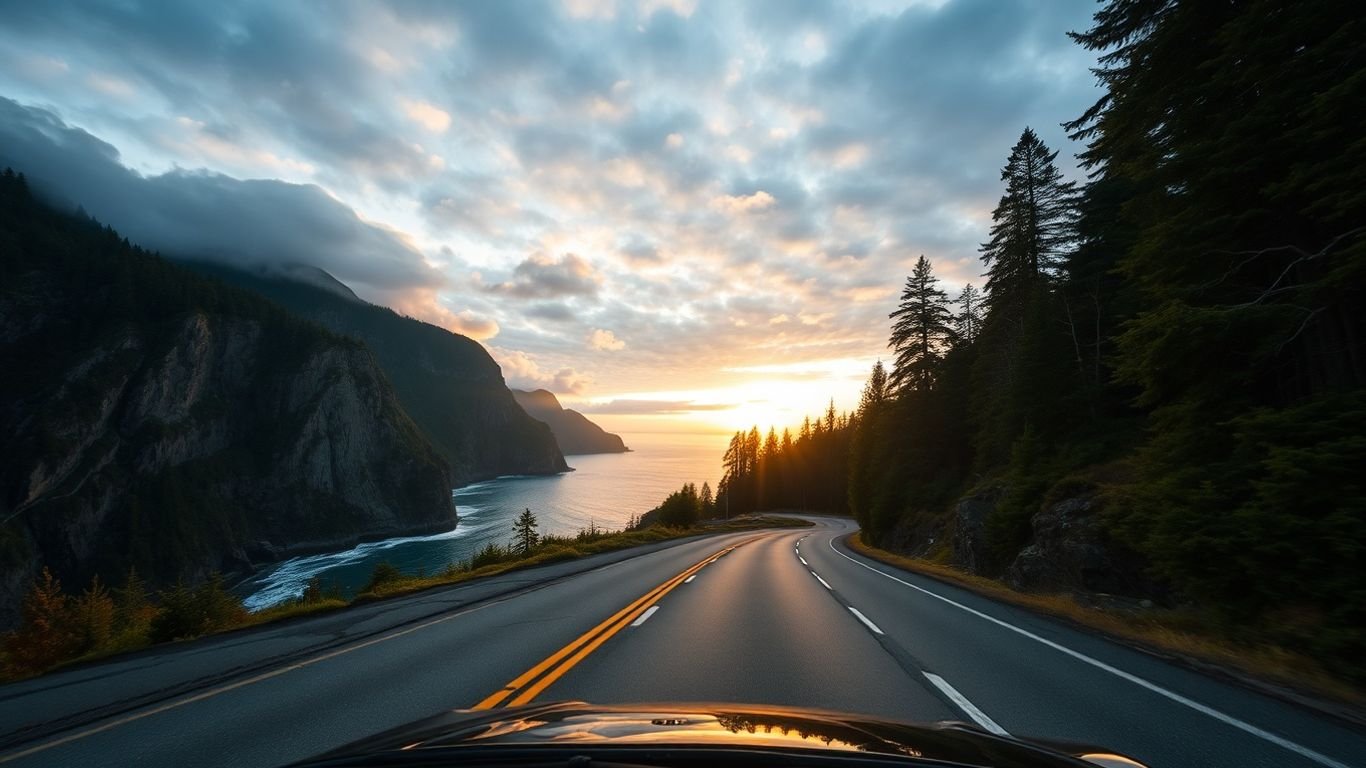
- Enjoy sunset photography sessions at secluded coastal viewpoints.
Limitations of public transportation in the region
Public transportation in the region is largely unavailable once you leave the main highway corridors. While shuttles operate in specific town centers like Port Angeles, they do not offer the connectivity required for an in-depth tour of the park’s various natural wonders.
Choosing the best pickup location
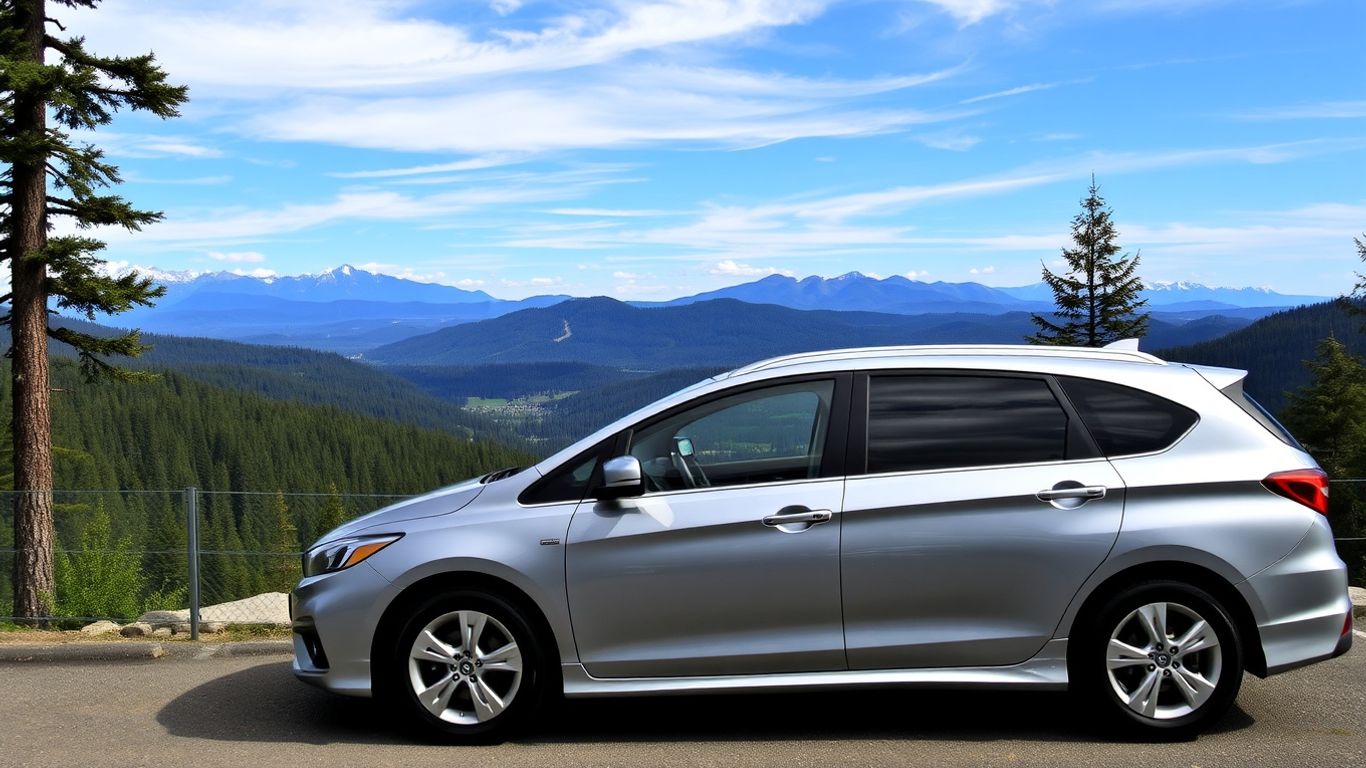
Selecting a central hub for your arrival is the first step in successful planning. Travelers have several options for securing a vehicle, each with varying levels of convenience and inventory availability depending on their flight arrangements.
Flying into Seattle-Tacoma International Airport
Landing at Seattle-Tacoma International Airport is the most popular choice for international and domestic travelers. You will find the widest selection of rental agencies here, allowing for easier vehicle upgrades and competitive pricing models that aren’t always available at minor regional hubs.
Renting near Paine Field Airport for easier access
For those flying on private or smaller commercial carriers, Paine Field offers a quieter alternative to the busy Seattle airport. While inventory is more limited, the reduced traffic can make the initial pickup process much faster for travelers focused on heading directly west.
Exploring local rental options in Port Angeles or Aberdeen
If you prefer to take a ferry or public transfer to the peninsula first, local agencies in cities like Port Angeles become viable. Renting locally can save you the drive time from the city, though it is crucial to verify availability well ahead of your summer travel dates.
Selecting the right vehicle for your trip
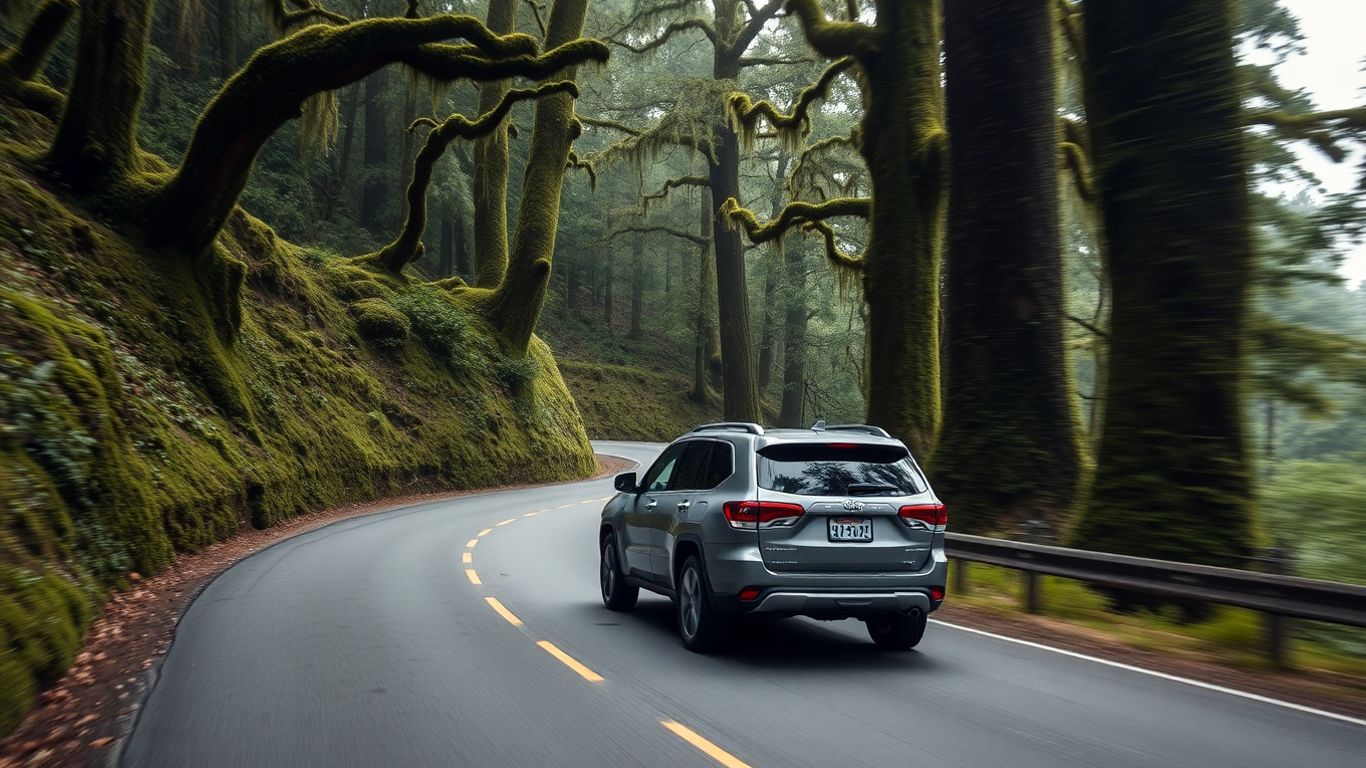
Your choice of vehicle greatly influences both your budget and your access to park infrastructure. Terrain and weather in the Pacific Northwest can shift rapidly, so picking a car that matches your planned activities is essential for safety and comfort.
Benefits of an SUV for rugged park terrain
SUVs provide the ground clearance and cargo capacity necessary for gear-heavy trips. If you plan on visiting elevated areas or unpaved forest service roads, the stability provided by an all-wheel-drive platform is often non-negotiable for a stress-free experience.
| Vehicle Class | Primary Benefit | Terrain Suitability |
|---|---|---|
| Compact Sedan | Fuel Efficiency | Paved Highway |
| Mid-size SUV | Comfort & Cargo | Mixed Surfaces |
| Full-size Truck | Raw Utility | Rugged Roadways |
Selecting a vehicle that aligns with your specific needs will prevent equipment issues during your journey. While some travelers consider Glacier and Yellowstone car rentals requiring large trucks, an SUV is usually the perfectly balanced choice for these coastal environments.
Compact cars for city maneuverability and fuel efficiency
Smaller cars excel during the urban portion of your trip, especially if you are navigating dense areas such as Portland. They are inherently more fuel-efficient and easier to park at busy trailheads or visitor centers, saving you time and rental costs.
Considerations for group size and luggage storage
When traveling with multiple people, ensure your trunk space can accommodate everyone’s luggage and hiking supplies. Overloading a vehicle frequently leads to visibility issues and reduced comfort, so upsizing early is generally a wiser investment.
Navigating the booking process with DiscoverCars
Using a digital comparison tool is the best way to ensure transparency in your rental agreement. DiscoverCars simplifies the search by consolidating offers from various agencies into one readable list, making it easier to evaluate total costs before booking.
Comparing rental rates across multiple competitive agencies
By browsing multiple agencies simultaneously, you can identify hidden discounts that are not visible on individual agency websites. Comparing these rates through a single platform helps you avoid overpaying for standard road trip vehicles.
Understanding insurance policy options for peace of mind
Insurance can be confusing, but clarity is key to a smooth rental. Reviewing policy documents provided during your search helps you understand what is covered, from basic liability to comprehensive collision damage waivers, ensuring you are not caught off guard.
Managing your reservation and avoiding potential hidden fees
Transparent booking platforms permit you to manage your reservation settings online at any time. This avoids issues such as surprise surcharges for young drivers or additional mileage fees, keeping your planned travel budget intact.
Driving tips and park logistics for your journey
Successful trips are built on careful logistical planning before you turn the ignition. Because most visitors prefer to rent their vehicles early to avoid shortages, you should always finalize your booking at least several weeks before your departure date.
Planning for seasonal road closures and changing weather
Mountain roads can experience unexpected closures due to snow or maintenance, even late in the spring. Always check official park advisories to ensure your planned driving route remains open and safe for your specific car type.
Parking strategies for popular trailheads and visitor centers
Parking lots at high-demand sites fill up quickly, often reaching capacity by mid-morning. If you arrive early, you are far more likely to secure a spot without a long wait, allowing you to prioritize your day around nature rather than city-style traffic.
Mapping out your route to minimize driving time between zones
Travel times in this region are often longer than maps suggest due to winding roads and lower speed limits. Dedicate specific days to different geographic areas of the park to maximize your time spent hiking and minimize hours spent behind the wheel, following practices similar to those seen in Sequoia National Park guidebooks.
Conclusion
Planning a successful road trip through the diverse landscapes of Olympic National Park requires both the right vehicle and a clear understanding of your rental options. By prioritizing early booking, choosing a vehicle that fits your planned activities, and utilizing comparison tools to remove surprises, you can focus on the experience rather than the logistics. With your transportation secured, you are ready to explore the ancient rainforests, windswept coastline, and glacial peaks that define this incredible wilderness area.
Ready to compare Olympic National Park rental prices?
Frequently Asked Questions
Is a rental car necessary to see the whole park?
Yes, a personal or rental vehicle is essential because the park covers such a vast area with virtually no reliable public transportation connecting remote trailheads or distant valleys.
What is the best time of year to visit for lower rates?
Off-peak months, particularly late autumn and winter, typically offer more competitive daily rental rates and fewer crowds compared to the high demand seen in July and August.
Do I need an SUV to explore the roads?
While most paved roads are accessible with standard sedans, an SUV is highly recommended if you intend to venture into higher elevations or unpaved forest service routes.
Are there mileage limits on rental agreements?
Standard rental policies frequently include unlimited mileage, but it is important to confirm this in your booking details to avoid unexpected per-mile surcharges during your trip.
Where is the most convenient place to pick up a car?
Seattle-Tacoma International Airport typically offers the largest inventory and the most competitive pricing, making it the most convenient hub for travelers arriving by plane.
Can I drive my rental car into the park trailheads?
Yes, rental cars are permitted on all public roads within the park; however, you must adhere to park speed limits and parking regulations at all trailheads.
How far in advance should I book my rental?
To ensure availability and access to the best pricing tiers, it is advisable to complete your reservation at least three to four weeks before your trip begins.
Disclosure: This article contains affiliate links. If you book through them, we may earn a commission at no extra cost to you. This helps support our free guides.