
Key Takeaways
Navigating the breathtaking terrain of Colorado requires careful planning to ensure you can reach every vista and trail without hassle. This guide outlines the essential steps for your journey, from selecting the right vehicle to understanding seasonal rental fluctuations.
- Securing a vehicle is mandatory due to the lack of public transit within park boundaries.
- Denver International Airport serves as the most convenient primary pickup hub for most visitors.
- Selecting 4WD or AWD is highly recommended to handle variable mountain road conditions effectively.
- Comparing prices and policies on DiscoverCars ensures you secure the best value for your Colorado adventure.
- Booking your rental months ahead is crucial, especially during the busy summer and fall foliage seasons.

Why you need a rental car for Rocky Mountain National Park
When planning a trip to this iconic destination, recognizing the realities of local infrastructure is the first step in your itinerary mapping. A reliable Rocky Mountain National Park car rental is not just a convenience; it is the heartbeat of a successful expedition, allowing you to traverse scenic corridors and access deep wilderness that standard shuttles simply cannot reach. By relying on your own schedule, you avoid the constraints of group transport and gain the freedom to linger at the most beautiful vistas.
Public transportation limitations in the park
While some seasonal shuttles operate within the park, they are restricted to specific, high-traffic corridors like the Bear Lake Road area. Attempting to see the full breadth of the Rockies using only these services leaves massive gaps in your itinerary, preventing you from visiting remote trailheads or quiet overlooks. Without a private vehicle, you are anchored to central transit points, making it quite difficult to spontaneously explore the surrounding mountain towns.
Flexibility for reaching remote trailheads
Having your own car allows you to beat the daily park crowds by arriving at remote, less-trafficked trailheads before the sunrise. If you find that a popular trail is overrun with visitors, having the mobility to drive to an alternative location ensures your day is not wasted. This level of autonomy is essential for hikers and wildlife photographers who value quiet corners far from the popular tourist stops.
The benefit of freedom on scenic drives
Roads like the historic Trail Ridge Road are designed with endless pull-offs that invite you to stop, observe, and photograph the alpine tundra at your own pace. You will find that having total travel freedom allows you to linger when an elk herd appears or when the afternoon light hits the peaks just right. SunDrive suggests that your spirit of adventure is best served when you are not confined to a rigid park vehicle schedule.
Picking up your rental car near the mountains
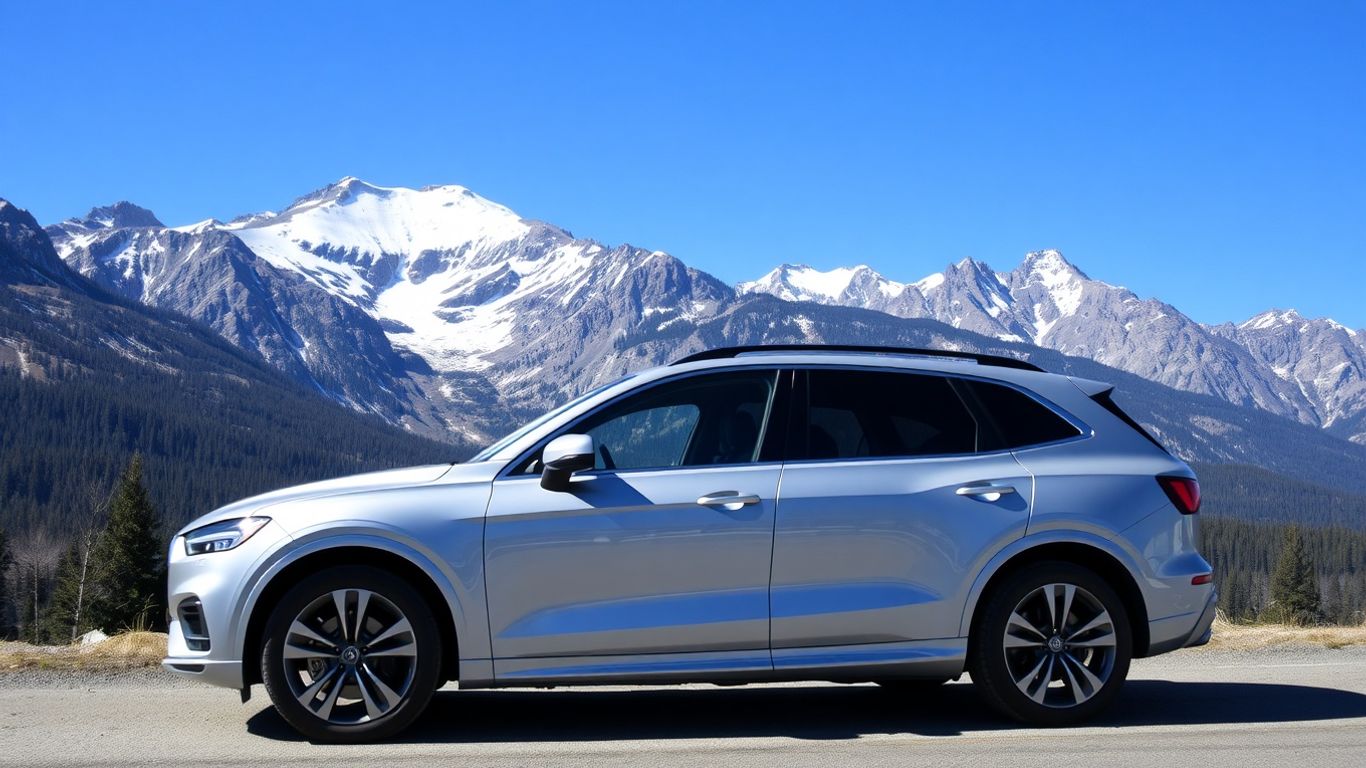
Choosing the right pickup location depends heavily on your arrival method and overall trip plan. Most travelers find that starting from a major transport hub offers the highest volume of available vehicles and competitive pricing. Whether you fly in or drive from nearby states, planning your pickup logistics early helps prevent unnecessary delays as you approach the elevated terrain of the Rockies.
Renting at Denver International Airport
Denver acts as the primary gateway for international and domestic visitors heading into the high country. By picking up your vehicle directly at DEN, you save on the stress of arranging secondary transit and can hit the road as soon as you land. This hub offers the most extensive inventory, making it easier to find specialized vehicles like SUVs or 4WD models that perform better on steep mountain grades.
Alternative rental locations in Boulder and Fort Collins
For those who prefer a slower pace or are spending a few days acclimating to the altitude, renting from a local station in cities like Boulder or Fort Collins might be a smart choice. These locations can sometimes offer cheaper rates compared to the airport, though availability is often more limited during peak summer months. Comparing these regional options through DiscoverCars allows you to see if the detour is worth the potential savings on your daily rental invoice.
Navigating travel time from airport hubs to Estes Park
Driving from Denver to the entrance of Estes Park typically takes about ninety minutes, depending on the route and current traffic conditions on Highway 36. You should account for extra time during the summer when crowds flock to the front range for weekend getaways. Setting realistic expectations for your transit time helps ensure you arrive at your accommodation refreshed and ready to prepare for your park entrance reservation.
Selecting the right vehicle for mountain driving
Selecting a vehicle that is capable of handling mountain driving is essential for a safe road trip. While a standard sedan is often enough for paved roads during the height of summer, real-world conditions in the high country can change rapidly, regardless of the season. To help you decide, consider the following performance differences between common vehicle classes available for booking:
| Vehicle Class | Best For | Terrain Capability | Fuel Efficiency |
|---|---|---|---|
| Compact Sedan | City driving | Paved only | Excellent |
| Mid-size SUV | Groups/Families | Moderate/Gravel | Average |
| 4WD/AWD SUV | Mountain passes | Exceptional | Lower |
Choosing a 4WD or AWD vehicle for terrain safety
Steep, winding passes often feature rapid weather changes that can leave roads slick with rain or late-season snow. Choosing an AWD vehicle adds a layer of traction that helps significantly with confidence on switchbacks and steep inclines. Always confirm the capabilities of the specific rental you book, as not all multi-purpose vehicles offer true four-wheel drive functionality.
Balancing fuel efficiency with engine performance
High-altitude driving places extra strain on an engine, so a slightly larger motor often makes the difference between a sluggish ascent and a smooth climb. You should aim for a vehicle that balances fuel consumption with enough power to comfortably carry your gear and passengers over mountain passes without overheating or constantly downshifting. SunDrive recommends keeping these power requirements in mind to ensure your drive is not just economical, but physically comfortable.
Vehicle size considerations for winding roads
Narrow, winding roads common in the Rockies require a vehicle that is responsive and easy to maneuver through tight turns. Very large vans or oversized trucks can make parking at confined trailheads stressful, so pick a size that is adequate for your group without being cumbersome. Before you set out, make sure you double-check these three preparation items:
- Verify your tire pressure for all four wheels.
- Ensure your coolant and oil levels are at the recommended levels.
- Carry emergency supplies like water, blankets, and a printed map.
Using DiscoverCars for your RMNP trip

Navigating the rental landscape can feel overwhelming, which is why utilizing a comparison platform is so beneficial for peace of mind. By aggregating options from various suppliers, the platform allows you to assess the market transparently before committing. It simplifies the discovery of essential terms, helping you avoid surprises when you arrive at the counter in Colorado.
Comparing prices across major rental agencies
When you use DiscoverCars to view listed suppliers, you can see the wide variance in daily rates between different companies. This approach allows you to quickly filter for the lowest available rates while also seeing which brand offers the vehicle class you actually need. You can effectively weigh the cost of a premium SUV against a standard sedan in terms that are easy to compare side-by-side.
Reviewing company ratings and user policies
Knowing how previous travelers experienced a particular rental agency can provide critical insight into what to expect on your trip. The platform collects user feedback, allowing you to favor agencies that have a consistent track record of quality service and clear communication. Reading these reviews helps you prioritize reliability over just finding the absolute cheapest possible daily quote.
Managing insurance coverage through the platform
Insurance can be a confusing aspect of rental agreements, with many hidden details about what is truly covered under your current plan. Through the comparison tools, you can easily review the specific insurance protection options offered by each supplier to ensure you are not under-insured for high-altitude driving. Clearing up these policy details early means that when you are on the road, your only concern is the stunning scenery rather than worrying about potential liability.
Essential tips for driving in the Rockies
Driving at high altitudes requires a different approach than typical city cruising, particularly regarding how hard you push your vehicle. The thin air impacts engine performance, and steep downhill grades can lead to excessive brake wear if you are not careful. Driving defensively and respecting the natural limitations of your vehicle are the best ways to enjoy the journey safely.
Managing engine strain at high altitudes
As you ascend into the alpine environment, lower oxygen levels can reduce engine output significantly. Avoid over-taxing your vehicle by keeping your speed steady and avoiding sudden, heavy acceleration on steep mountain passes. If you find your car struggling, pull over safely at a designated turn-out to let the engine temper before continuing your climb.
Adhering to park-specific parking regulations
Parking is strictly monitored within the park to prevent damage to sensitive alpine vegetation and to avoid traffic gridlock. Always park within marked white lines in designated lots and never pull onto protected meadow surfaces. If a lot is full, be prepared to simply move on to the next one, as violating these rules often leads to significant fines or towing.
Staying updated on seasonal road closures and weather
Alpine roads in the Rockies are subject to closure at any time due to snow or severe wind, even during the late spring. Before you depart for the park, check the official website for current road statuses to ensure the routes you planned to drive are actually open. Being flexible with your plans is a sign of a prepared traveler who understands the reality of living in a protected wild landscape.
Understanding rental costs and booking windows
Rental pricing for popular mountain destinations is highly volatile, moving in lockstep with seasonal demand. Understanding how these trends work can help you secure a much better price than a last-minute booking would offer. Timing your research and reservation around these cycles is often the single most effective way to manage your overall travel budget.
High-season versus low-season pricing trends
Travelers should expect significantly higher rates during the peak summer months of July and August. Conversely, winter months can be cheaper, but you must factor in the necessity of renting a vehicle that is prepared for winter conditions. Keeping an eye on these distinct seasonal shifts allows you to adjust your travel dates to find the best price-to-experience ratio for your trip.
The importance of booking your car well in advance
Supplies of reliable, all-wheel-drive vehicles can disappear weeks before the peak season begins. By securing your reservation at least three months in advance, you not only lock in a lower rate but also guarantee that your preferred vehicle class is available upon your arrival at the airport. SunDrive notes that procrastination is often the main culprit behind budget-breaking rental costs.
Identifying potential extra fees like refueling and surcharges
Rental contracts often include fine-print details regarding late returns, refueling charges if the tank is not full, and airport-specific surcharges. Take a few minutes to read through the documentation provided by your selected agency to avoid getting hit by unexpected costs at the end of your trip. Being informed about these potential expenses allows you to return your car fully prepared and stress-free.
Conclusion
Successfully exploring the Rockies depends on your preparation, from choosing the right car for steep terrain to planning your pickup logistics efficiently. By using reliable comparison tools and keeping these driving and budgeting tips in mind, you can focus on what truly matters: the crisp mountain air and the expansive views that make this park a world-class destination.
Ready to compare Rocky Mountain rental prices?
Frequently Asked Questions
Is an SUV required to drive through the park?
An SUV is not strictly required for paved park roads during summer, but it is highly recommended for added comfort, cargo space, and safety on steep mountain grades.
What are the main driving hazards in the Rockies?
Primary hazards include steep winding roads, sudden weather changes, engine strain at high altitudes, and heavy wildlife activity near road shoulders.
Can I drive a rental car on unpaved park roads?
Most standard rental agreements explicitly prohibit driving on unpaved or off-road trails, and doing so often voids your insurance coverage immediately.
How much time should I allocate for driving from Denver?
Plan for at least 90 minutes to two hours, but always check real-time traffic reports as summer road maintenance and tourist volume can lengthen this significantly.
Do I need to buy extra insurance for mountain driving?
While personal auto policies might cover some aspects, supplemental rental insurance is often recommended to account for the unique risks of remote mountain terrain and potential road damage.
Are there gas stations available inside the park?
There are generally no gas stations within the internal core of the park, so you must fill your tank in nearby towns before entering the gates.
What is the best month to visit the mountains?
Late June through early September offers the best road access, while September provides beautiful fall foliage and fewer crowds than the peak of mid-summer.
Disclosure: This article contains affiliate links. If you book through them, we may earn a commission at no extra cost to you. This helps support our free guides.