DiscoverCars Colorado Springs: Car Rental Guide (2026)

DiscoverCars Colorado Springs: Car Rental Guide (2026)

Key Takeaways

Planning your visit to Colorado requires careful preparation, especially regarding transportation. This summary highlights essential tips for securing reliable vehicle transport in the region.

  • Book your vehicle well in advance to secure availability during peak tourist seasons.
  • Verify that your rental car is equipped with features necessary for high-altitude driving.
  • Always review the specific terms regarding security deposit holds before confirming your booking.
  • Select a fuel policy that aligns with your planned driving distance to avoid unnecessary refueling charges.
  • Ensure you carry proof of insurance or evaluate the benefits of purchasing full coverage for broader protection.

DiscoverCars.com

Important considerations for renting at Colorado Springs Airport (COS)

Arriving in Colorado Springs often begins at the airport terminal, where accessibility to your transport is paramount. Picking up your vehicle at the terminal allows for a seamless transition from your flight to the open road without additional transit time or shuttle waiting.

Picking up your vehicle at the terminal

Collecting your rental directly at the airport ensures you start your journey promptly. This service convenience removes the need for extra hauling of luggage between shuttle stations.

Comparing on-site versus off-site locations

While terminal desks offer speed, off-site locales might provide unique economic advantages. Travelers often look for convenient car rentals to streamline their arrival, but comparing locations can reveal varying price points for similar vehicle classes.

Managing rental hours and flight delays

Unexpected schedule changes are common, so tracking your agency’s operating hours is vital. Many providers require updated contact information if your flight arrives significantly later than originally planned to prevent a potential no-show status.

Selecting the right fuel policy

Choosing a fuel policy is a common point of confusion for many drivers. Opting for a full-to-full policy often proves most economical for those planning extended trips across the state.

Navigating DiscoverCars for your Colorado Springs booking

User searching for rental vehicles

Finding the right vehicle requires a platform that offers both clarity and diversity. DiscoverCars acts as a reliable tool for comparing providers to ensure you receive a competitive rate for your journey.

Using the DiscoverCars filtering features

Powerful filters allow you to narrow down your search results based on specific preferences including transmission type, fuel efficiency, and vehicle class. These tools assist in pinpointing the most suitable transport for your specific itinerary.

Interpreting rental company guest ratings

Guest reviews provide authentic insights into the quality and service level you can expect from different providers. Consistency in high ratings is generally a strong indicator of a trustworthy rental partner.

Understanding the digital booking voucher process

Once your booking is confirmed, a digital voucher is issued containing all critical information. Keeping this document accessible on your mobile device is essential for a smooth pickup at the rental desk.

Managing cancellations and amendments through the platform

Plans can evolve rapidly, making flexible policies a necessity. DiscoverCars allows users to manage their bookings via a dashboard, simplifying the process of updating dates or canceling when trip details shift.

Choosing the right vehicle for Colorado Springs road conditions

Adapting to the unique geography of Colorado requires thoughtful vehicle selection, especially when planning for mountain excursions. Whether traversing paved highways or local climbs, comfort and stability are key factors to consider.

Selecting 4WD or AWD for mountain access

For those venturing into high elevations, selecting a vehicle with all-wheel drive is a prudent decision for safety and reliability.

Considering fuel efficiency for long scenic drives

Long-distance road trips across diverse terrain highlight the importance of vehicle efficiency. The following table displays typical fuel considerations based on common vehicle types found in the region:

Vehicle Class Fuel Efficiency (Est) Ideal For
Compact Sedan 30-35 MPG City Driving
Medium SUV 22-26 MPG Mountain Roads
Large SUV 18-22 MPG Family Comfort

Selecting a vehicle that balances performance with fuel economy will help manage your overall travel expenses efficiently.

Evaluating cargo space for hiking and outdoor gear

Outdoor pursuits often require significant gear storage. Evaluating the trunk layout and seat configuration in advance ensures your hiking equipment fits comfortably for the entire duration of your trip.

Determining vehicle suitability for seasonal weather changes

Colorado’s weather is notoriously variable, often shifting from sunshine to rapid snowfall even in mild months. Choosing a vehicle that performs well in fluctuating temperatures helps maintain your peace of mind while driving throughout the year.

DiscoverCars.com

Understanding insurance and coverage options in Colorado
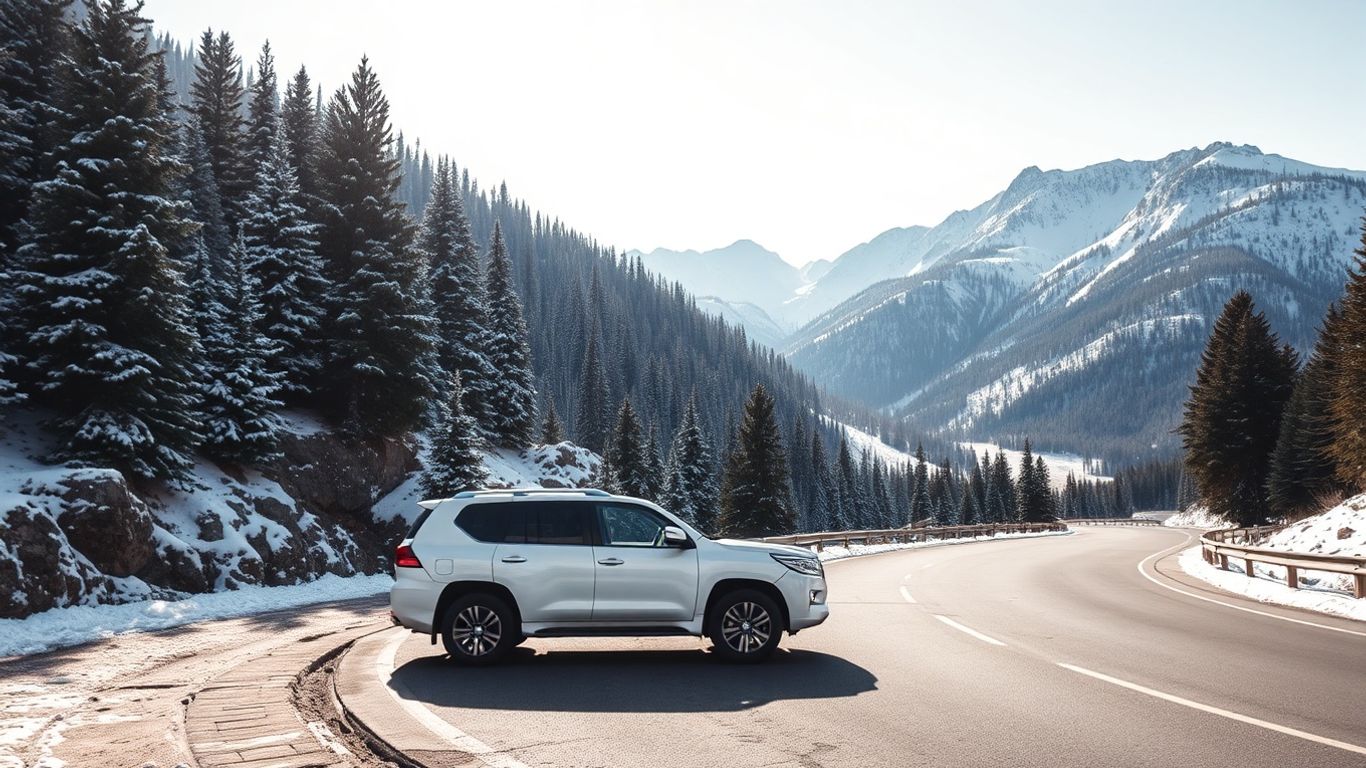
Vehicle waiting in snowy mountains

Insurance is a critical aspect of your rental plan, offering protection against unforeseen events. Properly evaluating your needs helps avoid gaps in coverage during your travel.

Evaluating DiscoverCars full coverage plans

Full coverage plans provide a comprehensive layer of protection that often exceeds the basic collision damage waivers offered by individual rental agencies. This extra coverage is designed to help travelers minimize out-of-pocket costs in the event of an accident.

Verifying personal credit card rental insurance benefits

Before adding extra protection, confirm if your existing credit card offers rental car benefits. Many cards include primary or secondary coverage automatically, provided you use the card for the transaction.

Knowing the requirements for the collision damage waiver

Review the specific terms of the collision damage waiver to understand what is covered. Generally, this waiver limits your financial responsibility to a specific amount, protecting you from large repair charges.

Managing liability insurance for out-of-state renters

Liability insurance is typically mandatory, yet coverage limits vary significantly. Ensuring your plan meets state minimums is a priority for out-of-state visitors to remain fully compliant with local law.

Budgeting and identifying potential hidden fees

Managing your total rental cost requires a detailed look at potential surcharges that might appear on your final invoice. Being aware of these line items allows for better financial planning throughout your trip.

Accounting for airport access fees and local surcharges

Rental invoices often include mandatory airport access fees and local taxes. Reviewing these fees upfront prevents unpleasant surprises when you arrive to pick up your key.

Factoring in additional driver costs

Adding a second driver is a common request that may incur daily surcharges depending on the agency’s policy. It is helpful to consider the following factors when you decide to add another motorist:

  • The daily rate calculated by the rental provider
  • Whether residency requirements impact the ability to add a driver
  • Impact on insurance coverage extensions for the secondary driver
  • Availability of promotional discounts for additional drivers

Considering these elements will keep your budget strictly under control throughout your stay.

Avoiding penalties for late returns

Returning your vehicle precisely on time is crucial to avoiding expensive late fees or additional daily base rate charges. Always confirm the return window provided by your rental office.

Understanding security deposit holds on credit cards

Agencies typically place a temporary hold on your credit card at the time of pickup to cover potential incidental costs. This hold does not charge the card but temporarily reduces your available credit line until the vehicle is returned in good condition.

Local driving regulations and mountain safety

Driving in Colorado requires vigilance, particularly as you gain elevation or venture toward iconic spots. Finding a reliable Colorado Springs car rental is just the first step in ensuring a successful journey.

Adhering to Colorado traction laws in winter

Winter conditions trigger specific traction laws that require all vehicles on certain highways to have appropriate tires or all-wheel drive capabilities. Ignoring these mandates can result in fines and significant safety hazards.

Navigating steep mountain passes and high elevation

Driving at high altitudes affects both your vehicle performance and physical comfort. Many travelers find that adjusting their speed and maintaining a lower gear when descending steep grades helps manage braking effectively.

Parking tips for Pikes Peak and Garden of the Gods

Popular destinations often have limited parking. Arriving early during, or considering a Denver car rental if you plan on exploring other regions, will help you secure optimal parking spaces nearby.

Preparing for roadside assistance in remote areas

Many agencies operate with local partners including Avis. Confirming you have access to their 24/7 support line is vital, especially when your route takes you into areas with limited cellular reception.

Conclusion

Successfully renting a vehicle in Colorado Springs involves thorough research and a clear understanding of your specific travel requirements. By using reliable comparison platforms to evaluate your options, you can secure a vehicle that provides both the comfort and the safety needed to navigate the region’s diverse landscapes. With proper preparation—from choosing the right coverage to identifying your total costs—you can look forward to a stress-free adventure through the heart of the Rocky Mountains.

Ready to compare Colorado Springs rental prices?

Check live prices on DiscoverCars →

Frequently Asked Questions

Is it necessary to rent a 4WD vehicle for my trip?

If you plan to drive in the mountains or visit during winter months, a 4WD or AWD vehicle is highly recommended for improved traction and stability. For standard city driving in the summer, a fuel-efficient sedan is often sufficient.

Can I pick up my rental car at a location other than the airport?

Yes, many rental companies offer off-airport locations throughout the city. While these locations may have limited hours compared to airport desks, they can sometimes offer lower daily rates and a different selection of vehicles.

What documents do I need to bring for my rental pick-up?

Most agencies require a valid driver’s license, a major credit card in the primary renter’s name, and your booking voucher. International travelers may also need to present a passport or an international driving permit depending on the rental terms.

How are security deposits handled by rental agencies?

When you arrive, the agency will typically place a temporary hold on your credit card. This hold is for a specific amount to cover potential incidents and is released after the vehicle is returned, though it may take a few days to appear back in your bank account.

Is it cheaper to book my rental car in advance?

Booking in advance is generally the best strategy for securing the lowest rates and ensuring the vehicle class you prefer is available. Prices tend to rise as demand increases, particularly during peak vacation seasons.

What happens if I get a flat tire in a remote area?

Contact the roadside assistance number provided by your rental agency immediately. Every rental agreement includes specific protocols for flat tires, which may involve dispatching a service vehicle or instructions on how to swap to your spare.

Are there any hidden fees I should watch for?

Keep an eye on charges such as airport access surcharges, young driver fees, and costs for navigation systems or child seats. Reviewing the full rental agreement line-by-line before confirming your booking will help you identify these potential costs.

Disclosure: This article contains affiliate links. If you book through them, we may earn a commission at no extra cost to you. This helps support our free guides.

DiscoverCars Rocky Mountain: RMNP Car Rental Guide

DiscoverCars Rocky Mountain: RMNP Car Rental Guide

Key Takeaways

Navigating the breathtaking terrain of Colorado requires careful planning to ensure you can reach every vista and trail without hassle. This guide outlines the essential steps for your journey, from selecting the right vehicle to understanding seasonal rental fluctuations.

  • Securing a vehicle is mandatory due to the lack of public transit within park boundaries.
  • Denver International Airport serves as the most convenient primary pickup hub for most visitors.
  • Selecting 4WD or AWD is highly recommended to handle variable mountain road conditions effectively.
  • Comparing prices and policies on DiscoverCars ensures you secure the best value for your Colorado adventure.
  • Booking your rental months ahead is crucial, especially during the busy summer and fall foliage seasons.
DiscoverCars.com

Why you need a rental car for Rocky Mountain National Park

When planning a trip to this iconic destination, recognizing the realities of local infrastructure is the first step in your itinerary mapping. A reliable Rocky Mountain National Park car rental is not just a convenience; it is the heartbeat of a successful expedition, allowing you to traverse scenic corridors and access deep wilderness that standard shuttles simply cannot reach. By relying on your own schedule, you avoid the constraints of group transport and gain the freedom to linger at the most beautiful vistas.

Public transportation limitations in the park

While some seasonal shuttles operate within the park, they are restricted to specific, high-traffic corridors like the Bear Lake Road area. Attempting to see the full breadth of the Rockies using only these services leaves massive gaps in your itinerary, preventing you from visiting remote trailheads or quiet overlooks. Without a private vehicle, you are anchored to central transit points, making it quite difficult to spontaneously explore the surrounding mountain towns.

Flexibility for reaching remote trailheads

Having your own car allows you to beat the daily park crowds by arriving at remote, less-trafficked trailheads before the sunrise. If you find that a popular trail is overrun with visitors, having the mobility to drive to an alternative location ensures your day is not wasted. This level of autonomy is essential for hikers and wildlife photographers who value quiet corners far from the popular tourist stops.

The benefit of freedom on scenic drives

Roads like the historic Trail Ridge Road are designed with endless pull-offs that invite you to stop, observe, and photograph the alpine tundra at your own pace. You will find that having total travel freedom allows you to linger when an elk herd appears or when the afternoon light hits the peaks just right. SunDrive suggests that your spirit of adventure is best served when you are not confined to a rigid park vehicle schedule.

Picking up your rental car near the mountains

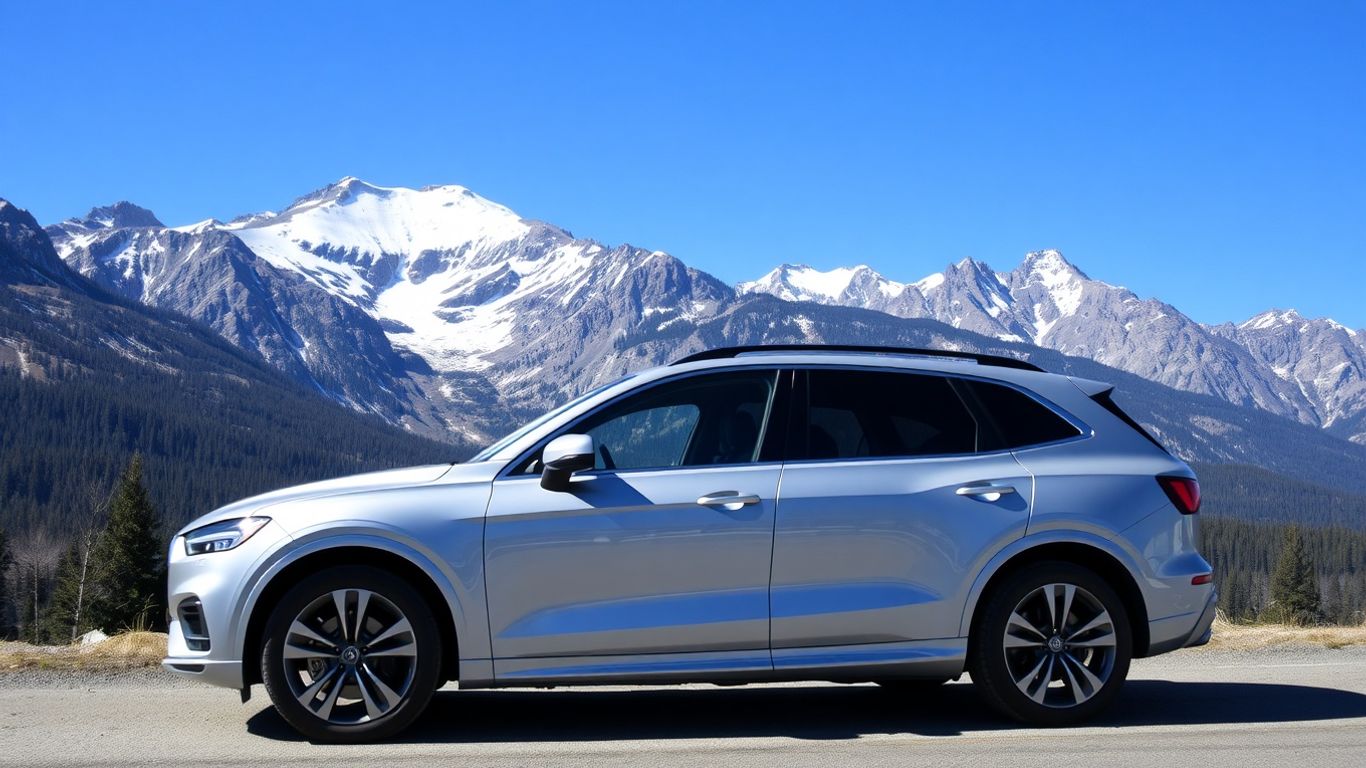
A modern rental car parked near alpine mountain peaks

Choosing the right pickup location depends heavily on your arrival method and overall trip plan. Most travelers find that starting from a major transport hub offers the highest volume of available vehicles and competitive pricing. Whether you fly in or drive from nearby states, planning your pickup logistics early helps prevent unnecessary delays as you approach the elevated terrain of the Rockies.

Renting at Denver International Airport

Denver acts as the primary gateway for international and domestic visitors heading into the high country. By picking up your vehicle directly at DEN, you save on the stress of arranging secondary transit and can hit the road as soon as you land. This hub offers the most extensive inventory, making it easier to find specialized vehicles like SUVs or 4WD models that perform better on steep mountain grades.

Alternative rental locations in Boulder and Fort Collins

For those who prefer a slower pace or are spending a few days acclimating to the altitude, renting from a local station in cities like Boulder or Fort Collins might be a smart choice. These locations can sometimes offer cheaper rates compared to the airport, though availability is often more limited during peak summer months. Comparing these regional options through DiscoverCars allows you to see if the detour is worth the potential savings on your daily rental invoice.

Navigating travel time from airport hubs to Estes Park

Driving from Denver to the entrance of Estes Park typically takes about ninety minutes, depending on the route and current traffic conditions on Highway 36. You should account for extra time during the summer when crowds flock to the front range for weekend getaways. Setting realistic expectations for your transit time helps ensure you arrive at your accommodation refreshed and ready to prepare for your park entrance reservation.

Selecting the right vehicle for mountain driving

Selecting a vehicle that is capable of handling mountain driving is essential for a safe road trip. While a standard sedan is often enough for paved roads during the height of summer, real-world conditions in the high country can change rapidly, regardless of the season. To help you decide, consider the following performance differences between common vehicle classes available for booking:

Vehicle Class Best For Terrain Capability Fuel Efficiency
Compact Sedan City driving Paved only Excellent
Mid-size SUV Groups/Families Moderate/Gravel Average
4WD/AWD SUV Mountain passes Exceptional Lower

Choosing a 4WD or AWD vehicle for terrain safety

Steep, winding passes often feature rapid weather changes that can leave roads slick with rain or late-season snow. Choosing an AWD vehicle adds a layer of traction that helps significantly with confidence on switchbacks and steep inclines. Always confirm the capabilities of the specific rental you book, as not all multi-purpose vehicles offer true four-wheel drive functionality.

Balancing fuel efficiency with engine performance

High-altitude driving places extra strain on an engine, so a slightly larger motor often makes the difference between a sluggish ascent and a smooth climb. You should aim for a vehicle that balances fuel consumption with enough power to comfortably carry your gear and passengers over mountain passes without overheating or constantly downshifting. SunDrive recommends keeping these power requirements in mind to ensure your drive is not just economical, but physically comfortable.

Vehicle size considerations for winding roads

Narrow, winding roads common in the Rockies require a vehicle that is responsive and easy to maneuver through tight turns. Very large vans or oversized trucks can make parking at confined trailheads stressful, so pick a size that is adequate for your group without being cumbersome. Before you set out, make sure you double-check these three preparation items:

  • Verify your tire pressure for all four wheels.
  • Ensure your coolant and oil levels are at the recommended levels.
  • Carry emergency supplies like water, blankets, and a printed map.
DiscoverCars.com

Using DiscoverCars for your RMNP trip

A passenger using a smartphone to manage rental bookings

Navigating the rental landscape can feel overwhelming, which is why utilizing a comparison platform is so beneficial for peace of mind. By aggregating options from various suppliers, the platform allows you to assess the market transparently before committing. It simplifies the discovery of essential terms, helping you avoid surprises when you arrive at the counter in Colorado.

Comparing prices across major rental agencies

When you use DiscoverCars to view listed suppliers, you can see the wide variance in daily rates between different companies. This approach allows you to quickly filter for the lowest available rates while also seeing which brand offers the vehicle class you actually need. You can effectively weigh the cost of a premium SUV against a standard sedan in terms that are easy to compare side-by-side.

Reviewing company ratings and user policies

Knowing how previous travelers experienced a particular rental agency can provide critical insight into what to expect on your trip. The platform collects user feedback, allowing you to favor agencies that have a consistent track record of quality service and clear communication. Reading these reviews helps you prioritize reliability over just finding the absolute cheapest possible daily quote.

Managing insurance coverage through the platform

Insurance can be a confusing aspect of rental agreements, with many hidden details about what is truly covered under your current plan. Through the comparison tools, you can easily review the specific insurance protection options offered by each supplier to ensure you are not under-insured for high-altitude driving. Clearing up these policy details early means that when you are on the road, your only concern is the stunning scenery rather than worrying about potential liability.

Essential tips for driving in the Rockies

Driving at high altitudes requires a different approach than typical city cruising, particularly regarding how hard you push your vehicle. The thin air impacts engine performance, and steep downhill grades can lead to excessive brake wear if you are not careful. Driving defensively and respecting the natural limitations of your vehicle are the best ways to enjoy the journey safely.

Managing engine strain at high altitudes

As you ascend into the alpine environment, lower oxygen levels can reduce engine output significantly. Avoid over-taxing your vehicle by keeping your speed steady and avoiding sudden, heavy acceleration on steep mountain passes. If you find your car struggling, pull over safely at a designated turn-out to let the engine temper before continuing your climb.

Adhering to park-specific parking regulations

Parking is strictly monitored within the park to prevent damage to sensitive alpine vegetation and to avoid traffic gridlock. Always park within marked white lines in designated lots and never pull onto protected meadow surfaces. If a lot is full, be prepared to simply move on to the next one, as violating these rules often leads to significant fines or towing.

Staying updated on seasonal road closures and weather

Alpine roads in the Rockies are subject to closure at any time due to snow or severe wind, even during the late spring. Before you depart for the park, check the official website for current road statuses to ensure the routes you planned to drive are actually open. Being flexible with your plans is a sign of a prepared traveler who understands the reality of living in a protected wild landscape.

Understanding rental costs and booking windows

Rental pricing for popular mountain destinations is highly volatile, moving in lockstep with seasonal demand. Understanding how these trends work can help you secure a much better price than a last-minute booking would offer. Timing your research and reservation around these cycles is often the single most effective way to manage your overall travel budget.

High-season versus low-season pricing trends

Travelers should expect significantly higher rates during the peak summer months of July and August. Conversely, winter months can be cheaper, but you must factor in the necessity of renting a vehicle that is prepared for winter conditions. Keeping an eye on these distinct seasonal shifts allows you to adjust your travel dates to find the best price-to-experience ratio for your trip.

The importance of booking your car well in advance

Supplies of reliable, all-wheel-drive vehicles can disappear weeks before the peak season begins. By securing your reservation at least three months in advance, you not only lock in a lower rate but also guarantee that your preferred vehicle class is available upon your arrival at the airport. SunDrive notes that procrastination is often the main culprit behind budget-breaking rental costs.

Identifying potential extra fees like refueling and surcharges

Rental contracts often include fine-print details regarding late returns, refueling charges if the tank is not full, and airport-specific surcharges. Take a few minutes to read through the documentation provided by your selected agency to avoid getting hit by unexpected costs at the end of your trip. Being informed about these potential expenses allows you to return your car fully prepared and stress-free.

Conclusion

Successfully exploring the Rockies depends on your preparation, from choosing the right car for steep terrain to planning your pickup logistics efficiently. By using reliable comparison tools and keeping these driving and budgeting tips in mind, you can focus on what truly matters: the crisp mountain air and the expansive views that make this park a world-class destination.

Ready to compare Rocky Mountain rental prices?

Check live prices on DiscoverCars →

Frequently Asked Questions

Is an SUV required to drive through the park?

An SUV is not strictly required for paved park roads during summer, but it is highly recommended for added comfort, cargo space, and safety on steep mountain grades.

What are the main driving hazards in the Rockies?

Primary hazards include steep winding roads, sudden weather changes, engine strain at high altitudes, and heavy wildlife activity near road shoulders.

Can I drive a rental car on unpaved park roads?

Most standard rental agreements explicitly prohibit driving on unpaved or off-road trails, and doing so often voids your insurance coverage immediately.

How much time should I allocate for driving from Denver?

Plan for at least 90 minutes to two hours, but always check real-time traffic reports as summer road maintenance and tourist volume can lengthen this significantly.

Do I need to buy extra insurance for mountain driving?

While personal auto policies might cover some aspects, supplemental rental insurance is often recommended to account for the unique risks of remote mountain terrain and potential road damage.

Are there gas stations available inside the park?

There are generally no gas stations within the internal core of the park, so you must fill your tank in nearby towns before entering the gates.

What is the best month to visit the mountains?

Late June through early September offers the best road access, while September provides beautiful fall foliage and fewer crowds than the peak of mid-summer.

Disclosure: This article contains affiliate links. If you book through them, we may earn a commission at no extra cost to you. This helps support our free guides.

DiscoverCars Denver: Denver Car Rental Guide

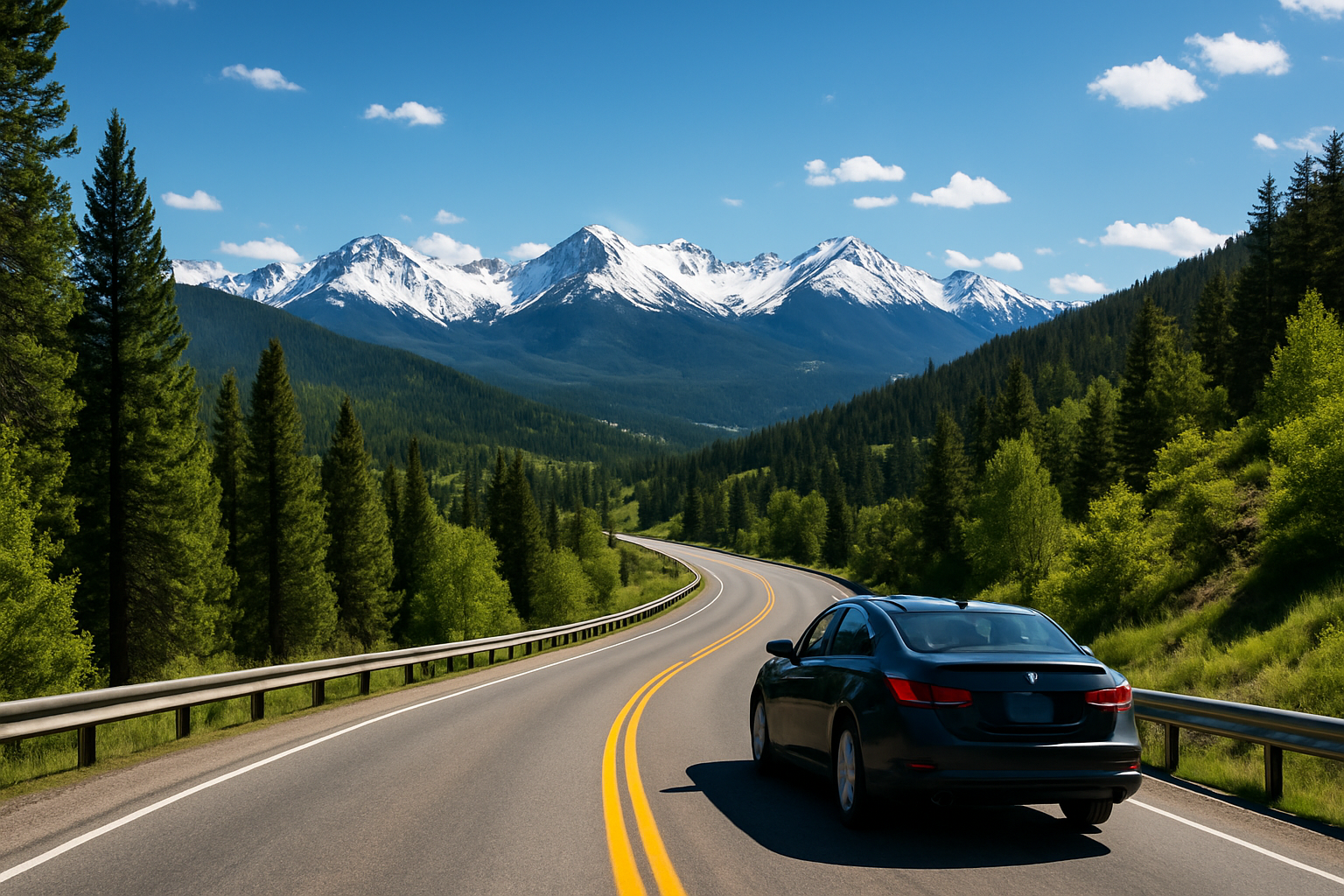
A car on a scenic Colorado mountain highway near Denver with snow-capped Rocky Mountains

Renting a car in Denver is essential for exploring Colorado — there’s little transit outside the city, and none reaching the scenic mountains. DiscoverCars lists Denver rentals from around $37/day (and $32/day at the airport), so comparing suppliers is the easiest way to find a good rate. Here’s how Denver car rental works, from the airport to Rocky Mountain National Park.

Key Takeaways

  • Denver rentals start around $37/day, or $32/day at Denver Airport (DEN).
  • A car is essential — there’s no public transit to Rocky Mountain National Park.
  • Rocky Mountain NP is just 75 miles (about 90 minutes) from Denver.
  • In winter, choose 4WD or AWD for the mountains and snow.
  • There are no gas stations inside Rocky Mountain NP — fill up beforehand.

Do You Need a Car in Denver?

Yes — especially for the mountains. There’s little transportation in Colorado outside Denver, and no public transit connecting the city with Rocky Mountain National Park or the scenic high country. A rental is the only practical way to reach the state’s best landscapes.

Downtown Denver is walkable, but the moment you want to explore beyond it, a car becomes essential. That’s exactly why Denver is such a popular rental base for a Colorado road trip.

DiscoverCars.com

Is Denver a Good Base for Rocky Mountain National Park?

It’s ideal. Rocky Mountain National Park sits just 75 miles (about 90 minutes) northwest of Denver, making it one of the best day trips from the city. The road network inside the park is in good shape, and you can explore most of it by car.

Even if you’re not hiking, the drive is worth it — Trail Ridge Road climbs to breathtaking alpine scenery. Note the $35 vehicle entrance fee, and remember there are no gas stations inside the park, so fill up before you go.

Where Do You Pick Up Your Car at Denver Airport?

Denver International (DEN) is the busiest airport in the state and has the largest rental selection, with rates from around $32/day. Free shuttles from Jeppesen Terminal (level 5) run directly to the Car Rental Center, so pickup is straightforward.

Picking up and dropping off at the airport usually saves money compared with neighborhood locations, thanks to that bigger fleet and competition. Follow the signs to the rental shuttle after baggage claim.

Ready to compare Denver rental prices on DiscoverCars?

Check live Denver prices on DiscoverCars →

What Kind of Car Should You Rent in Denver?

It depends on the season. In summer, a standard sedan or SUV handles the paved mountain roads fine. In winter, choose a 4WD or AWD vehicle if you’re heading into the mountains, where snow and ice are common — it makes a real safety difference.

For Rocky Mountain day trips or family adventures, an SUV adds comfort and cargo space. For getting around downtown, a compact is cheaper and easier to park. Match the car to your plans and the time of year.

Is DiscoverCars Good for Denver?

Yes — DiscoverCars compares Denver suppliers in one search with the full price shown upfront, including the low airport rates from around $32/day. Because Colorado is a competitive market, comparison helps you find the best deal and the right vehicle for the season.

Most bookings include free cancellation up to 48 hours before pickup. Compare Denver rental prices on DiscoverCars to find the best rate for your Rocky Mountain road trip.

Bottom line: a rental car is essential for exploring Colorado beyond Denver — there’s no transit to the mountains. Rent at Denver Airport for the best rates and selection, choose AWD in winter, fill up before Rocky Mountain NP, and compare on DiscoverCars.

What Other Trips Can You Do From Denver?

Denver opens up far more than Rocky Mountain National Park. Scenic mountain towns like Boulder, Estes Park, and the ski resorts are all within a short drive, and the dramatic peaks along I-70 make even the highway a highlight. A rental makes every one of these reachable.

For more national-park road trips in the region, see our guides to Wyoming (Yellowstone and Grand Teton) and Utah. Compare Denver rentals on DiscoverCars to find the right vehicle for your route.

Related DiscoverCars Guides

When Is the Best Time to Visit Rocky Mountain National Park?

Summer is peak season, when Trail Ridge Road is fully open and all the trails are accessible — but it’s also busiest, so start early to beat traffic. Fall brings golden aspens and thinner crowds, while winter limits high-elevation roads and demands AWD.

Whatever the season, book your rental early and match the vehicle to the weather. A summer sedan is fine, but a winter mountain trip calls for 4WD or AWD.

Frequently Asked Questions

Do you need a car in Denver?

Yes, especially for the mountains. There’s little transit outside Denver and none reaching Rocky Mountain National Park or the high country. Downtown is walkable, but a rental is essential to explore the rest of Colorado.

How far is Rocky Mountain National Park from Denver?

About 75 miles, or roughly 90 minutes northwest — one of the best day trips from the city. The park’s roads are in good shape, but there are no gas stations inside, so fill up before you go, and expect a $35 vehicle entrance fee.

What kind of car should you rent in Denver?

In summer, a standard sedan or SUV is fine. In winter, choose 4WD or AWD for the mountains, where snow and ice are common. An SUV suits Rocky Mountain day trips; a compact is cheaper for getting around downtown.

Where do you pick up a rental at Denver Airport?

Denver International (DEN) has the state’s largest rental selection, from around $32/day. Free shuttles from Jeppesen Terminal level 5 run directly to the Car Rental Center. Airport pickup usually saves money over neighborhood locations.

Disclosure: This is an independent guide. This article contains affiliate links to DiscoverCars; if you book through them we may earn a small commission at no extra cost to you. It never changes what you pay or what we recommend.