
Key Takeaways
Navigating the vehicle hire process in Massachusetts requires knowledge of regional trends and smart booking techniques. These points will help you maximize your time and budget during your visit.
- Book your reservation at least one week in advance to avoid surge pricing.
- Use comparison platforms to view all-in rental prices from multiple local providers.
- Opt for off-airport locations if you are looking to minimize base rental rates.
- Familiarize yourself with the city’s complex traffic patterns and toll payment requirements early.
- Review your personal insurance policy to see if you need additional coverage for your rental car.

Understanding the Boston car rental market
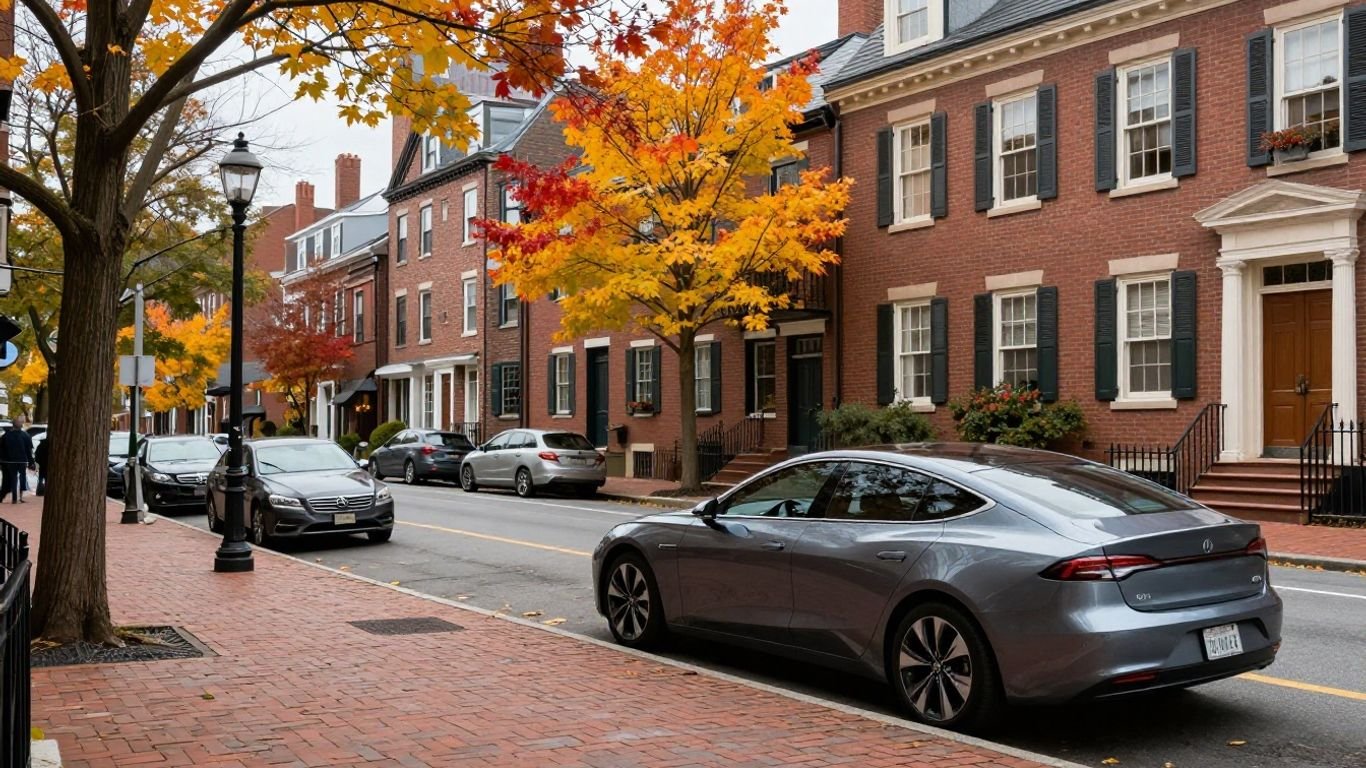
Traveling to Massachusetts often requires a reliable vehicle to navigate both the historic city streets and the scenic New England coastline. Understanding how local inventory fluctuates allows you to secure better rates during your stay. Demand levels remain high throughout the year but shift dramatically based on academic calendars and tourist activity, making timely preparation essential to avoid high costs.
Seasonal pricing variations in New England
Rental rates in Boston often spike during the peak fall foliage season and the busy graduation weeks in early summer. If you visit outside these windows, you will generally find lower prices and better choice among various car categories. Planning your trip during the shoulder seasons can significantly reduce your travel overhead.
When to book for optimal availability
Securing your reservation at least 7 to 10 days before your arrival is a common practice for travelers who want to avoid the highest price tiers. Last-minute bookings in this market often result in limited vehicle availability and premium costs, especially during city-wide conventions or major sports events. A proactive approach helps you lock in rates before the inventory is constrained.
Rental car inventory trends for 2026
In 2026, the local market continues to emphasize a shift toward fuel-efficient sedans and reliable compact SUVs suitable for urban roads. Demand for these specific vehicle classes often outpaces supply during peak times, leading to price volatility. Monitoring pricing trends and availability ensures you are not caught off guard by sudden spikes in rental expenses.
Using DiscoverCars for your Boston trip
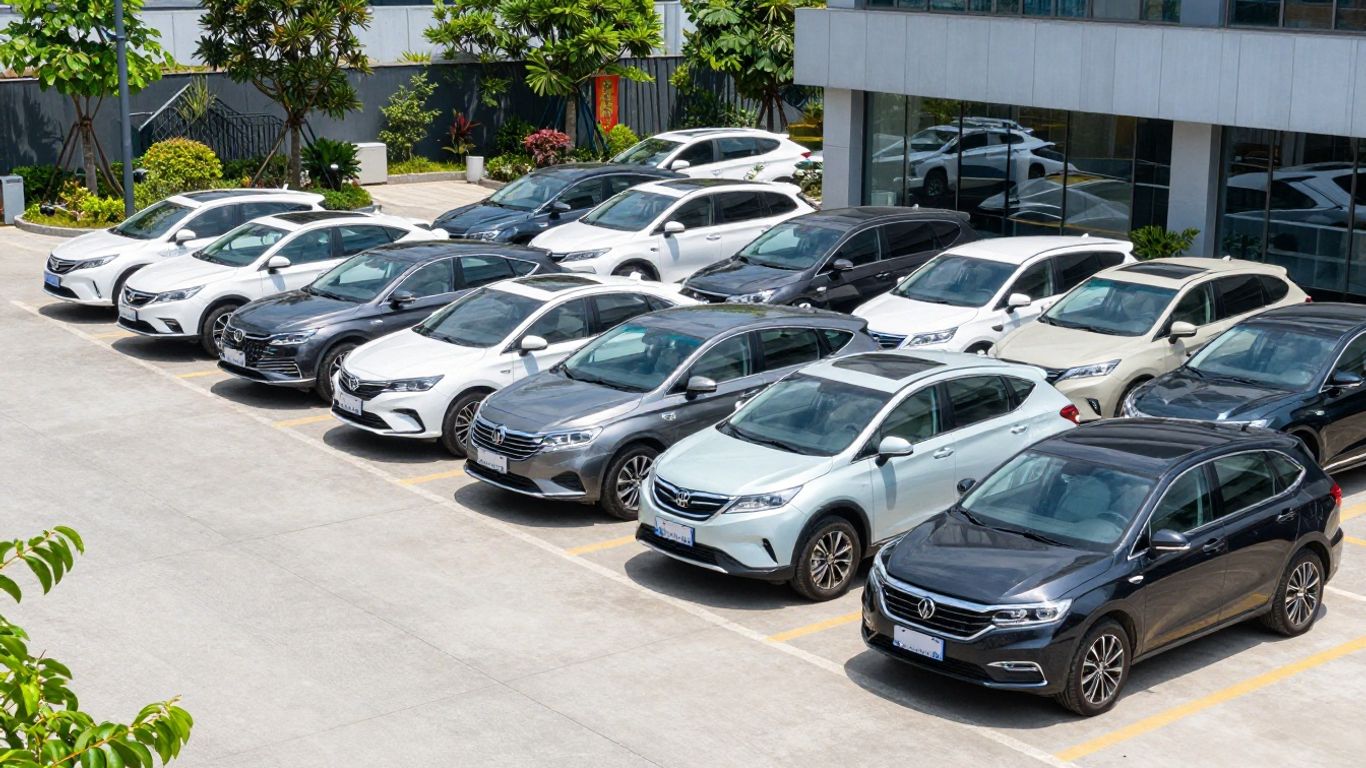
Choosing the right tools for your research simplifies the complex process of securing a vehicle in a major metropolitan area. By employing a meta-search engine, you gain a transparent view of the various options currently available in the city. This approach removes the guesswork often associated with individual agency websites and helps you make informed choices based on real-time data.
How to compare local rental agencies
When you use DiscoverCars, you see a side-by-side comparison of local agencies, allowing you to weigh factors like vehicle type, agency reputation, and total rental price. By consolidating these findings into one interface, you save time and identify the best value that suits your specific trip requirements.
Interpreting user reviews and ratings
Customer feedback provides a window into the reality of the rental service experience at specific branches. Look for recurring mentions of wait times and vehicle condition to better predict what to expect upon arrival. Consistent high ratings from previous travelers often translate to a more predictable and professional rental experience.
Managing your booking and cancellations
Flexibility is crucial when your travel plans might change due to unforeseen delays or schedule updates. Managing your reservation through a centralized platform often provides clearer options for cancellations and modifications compared to dealing with individual service branches directly. Always ensure you understand the specific terms related to your reservation type before finalizing the transaction.
Benefits of centralized booking platforms
Using a single hub for your rental research brings clarity to a process filled with hidden terms and fluctuating fees. These platforms display comprehensive pricing information to help you perform smart travel planning for your trip. By comparing dozens of suppliers at once, you simplify your logistics and focus more on your itinerary.
Identifying the best pickup locations
Choosing where to retrieve your vehicle is a tactical decision that affects both your budget and your initial stress levels. Some locations offer more convenience, while others offer significant savings for the budget-conscious visitor. Weighing these factors against your arrival time and fatigue level is a necessary part of your pre-trip preparation.
Renting from Boston Logan International Airport
Most travelers choose the airport for sheer convenience, as it allows for an immediate transition from your flight to your vehicle. While this location involves higher taxes and airport fees, it saves you the time and cost of transit into the city before securing your car.
| Location Type | Pros | Cons |
|---|---|---|
| Airport Branch | Immediate access | Higher surcharges |
| Downtown Office | Local flexibility | Limited parking |
| Suburban Outpost | Lower base price | Requires transit |
Choosing downtown Boston rental branches
Downtown branches serve those who might arrive by train or who wish to spend a day in the city center before picking up a car for a wider road trip. These locations are often tucked into parking garages or mixed-use buildings, so look for clear instructions on how to reach the counter. You will often find more personalized service in these smaller, less rushed office settings.
Off-airport rental options for budget travelers
Selecting a branch away from the airport can net you a better daily rate by avoiding the premium taxes associated with airport operations. You will need to calculate the cost of a ride-share or public transport to reach these locations, but the total investment is frequently lower for week-long rentals. This trade-off is often efficient for visitors who plan to stay in the city for a few days before hitting the road.
Accessibility via public transit
Boston features an extensive public transit network that can serve as a bridge between your arrival point and your chosen rental agency. Understanding how to use the local rail and bus system helps you reach off-airport locations without relying on expensive taxi services. This is a common strategy for travelers who prioritize budget over absolute door-to-door convenience.
Cost-saving strategies for 2026
Reducing your final receipt requires attention to detail, from your car class selection to how you handle incidental expenses throughout your trip. By following a few disciplined habits, you can manage your Boston car rental expenses effectively throughout the year. Implementing these tactics prevents simple mistakes that otherwise inflate the cost of your vacation.
Avoiding peak traffic and holiday surcharges
Rental agencies often adjust their rates according to the local cultural and holiday calendar demand. Check the dates of major regional events and aim to schedule your pickup and return outside these high-traffic windows if your itinerary is flexible. Keeping these variables in mind is essential when securing a deal.
Tips for finding cheap daily rates
Securing a low rate starts with being flexible about your vehicle class and pickup window. Consider the following common ways to keep costs down during your search:
- Search at least 14 days in advance to capture early-bird pricing.
- Compare rates for both manual and automatic transmissions if available.
- Avoid unnecessary cross-border travel unless it is included in your plan.
- Decline optional add-on services like GPS or personal gear if your phone is sufficient.
Understanding hidden fees and airport taxes
When viewing potential car hires, ensure you are looking at the total breakdown of costs rather than just the daily rate. Airport fees, local city taxes, and refueling policies can add significant amounts to your cost that are not always immediately obvious in the base price. Reading the fine print for each agency is the best way to keep your budget on track.
Choosing the right vehicle class for your budget
Choosing a compact vehicle is almost always the most cost-effective decision for navigating city traffic and finding tight parking spots. Larger cars, while comfortable, often come with fuel consumption penalties and higher base rates. Select the car class that aligns with the number of passengers and the amount of luggage you actually plan to haul.
Navigating Boston traffic and regulations
Boston is known for its challenging road layouts, which can be disorienting for first-time visitors. The city’s age means few roads follow a standard grid, so relying on real-time navigation software is highly recommended. Mastering the local nuances of driving here will make your experience significantly smoother.
Understanding Boston’s complex road layouts
Streets in the older districts often change names or turn into one-way thoroughfares unexpectedly. Allow extra time for your transitions, especially during morning and evening rush hours when traffic density peaks. Staying alert and following your GPS closely helps you avoid the frustration of missed turns in a maze-like environment.
Managing parking in densely populated areas
Parking in the city can be scarce and expensive, with many zones strictly enforced for residents only. Always check for signs indicating time limits or residential permit requirements before leaving your vehicle. Using parking garage apps can help you find a spot in advance, which is much cheaper than finding yourself forced to pay premium hotel parking rates.
Handling toll roads and electronic payment systems
Many of the highways leading in and out of the city utilize electronic tolling systems that identify your vehicle automatically. Before you depart, verify your rental car’s policy regarding these tolls, as some companies offer a flat-rate daily service while others pass on the cost of the tolls with a small administrative fee. Being prepared for these systems avoids the accumulation of fines after your trip ends.
Parking permit requirements for visitors
Certain neighborhoods maintain strict parking zones where local stickers are required for on-street parking during specific hours. These regulations are designed to keep residential streets clear of commuter traffic. If your accommodations do not provide specialized parking instructions, seek out public garages to avoid the risk of being ticketed or towed.
Insurance and protection options
Your existing auto insurance or credit card agreement may provide sufficient coverage, but confirming this is vital long before you reach the desk. Navigating these requirements allows you to decide which additional protections are truly necessary for your specific journey. Clarity on this subject ensures you are not paying for duplicate coverage you do not need.
Assessing your personal auto insurance coverage
Contact your current insurance provider or check your credit card benefits platform to understand exactly what is covered in a rental situation. Some policies provide full coverage for rentals, while others only offer supplemental protection. Knowing your current status allows you to decide if the agency’s offers are redundant or helpful.
Mandatory vs. optional rental protections
State-mandated liability insurance is typically included in your rental contract, as it is required by law. Most other options offered at the rental counter, such as personal accident insurance or additional liability coverage, are elective. Evaluate these based on your personal risk comfort and the scope of your existing personal policy.
What to do in case of an accident or breakdown
Carry your rental agreement and emergency contact information in the glove box throughout your trip. If an incident occurs, record all site details, take photos of any damage, and contact the rental agency’s support desk as instructed in your documents. Following the correct procedure ensures that your coverage remains valid and prevents complications with the claim process.
Conclusion
Visiting this historic area provides a unique opportunity to explore New England at your own pace, as long as you approach your vehicle rental with preparation and foresight. By researching your options, understanding the intricacies of the local market, and evaluating your insurance needs before arriving, you ensure that transportation concerns do not distract from your travel experience. Stick to established booking practices, stay aware of city traffic regulations, and always verify your rental documentation to enjoy a seamless trip.
Ready to compare Boston rental prices?
Frequently Asked Questions
Do I need an international driving permit to rent a car here?
If your domestic driver’s license is in English and provides a photo, you typically do not require an international driving permit for a short-term rental. International visitors with licenses in other languages should always verify local requirements and are often advised to obtain one before traveling.
Is paying for a rental car with a debit card allowed?
Many agencies allow debit card payments, but they often impose stricter requirements such as proof of a return flight or a larger security hold. Check the specific branch’s policy at the time of booking to avoid any surprises regarding credit and deposit expectations upon arrival.
Are there any hidden taxes for rentals at the airport?
Airport locations often include specific government-mandated taxes and facility charges that do not apply to off-airport rental branches. These items are typically listed in the total estimate during the booking stage, so verify the final total price before confirming your order.
How old do I need to be to rent a car?
Most rental companies require the driver to be at least 21 years old and possess a valid license for at least a year. Drivers under the age of 25 are frequently subject to a young driver surcharge in most states, including Massachusetts.
Can I return my rental car to a different location?
Returning your vehicle to a different branch than the one you picked it up from is generally an option, but it usually comes with a one-way rental fee. This fee covers the cost of returning the vehicle to its original fleet, so factor this into your overall travel budget.
What happens if I miss my return time?
Rental contracts are calculated in 24-hour windows, meaning late returns often incur an additional daily charge or hourly penalty. Proactively communicate any potential delays to the rental agency to see if they can offer an extension or work with your schedule to minimize extra fees.
Do I need to clean the car before returning it?
While you are not required to have the car professionally detailed, it is standard practice to return the vehicle in a reasonable state of cleanliness. Agencies may charge a cleaning fee if the interior is returned with excessive trash or debris that requires more than a standard vacuuming.
Disclosure: This article contains affiliate links. If you book through them, we may earn a commission at no extra cost to you. This helps support our free guides.