Key Takeaways
Planning a visit to Montana requires careful logistical preparation to ensure you can see everything on your list. This article outlines the essential steps for organizing your transportation.
- Securing a vehicle well in advance is critical for summer travel.
- A rental car provides the flexibility needed to traverse rural Montana.
- Compare prices across multiple providers using a trusted comparison tool.
- Understand local road conditions and seasonal closures before you arrive.
- Proper insurance and vehicle choice can prevent stress on mountain roads.

Why you need a rental car for Glacier National Park
Visiting this stunning landscape requires reliable transportation that moves at your own pace. While the region offers breathtaking views, the sheer scale of the wilderness means that public transit options are often insufficient for a comprehensive tour. Securing a reliable Glacier National Park car rental ensures you are not tethered to rigid schedules and can linger at scenic overlooks without checking a watch.
The vast scale of the Going-to-the-Sun Road
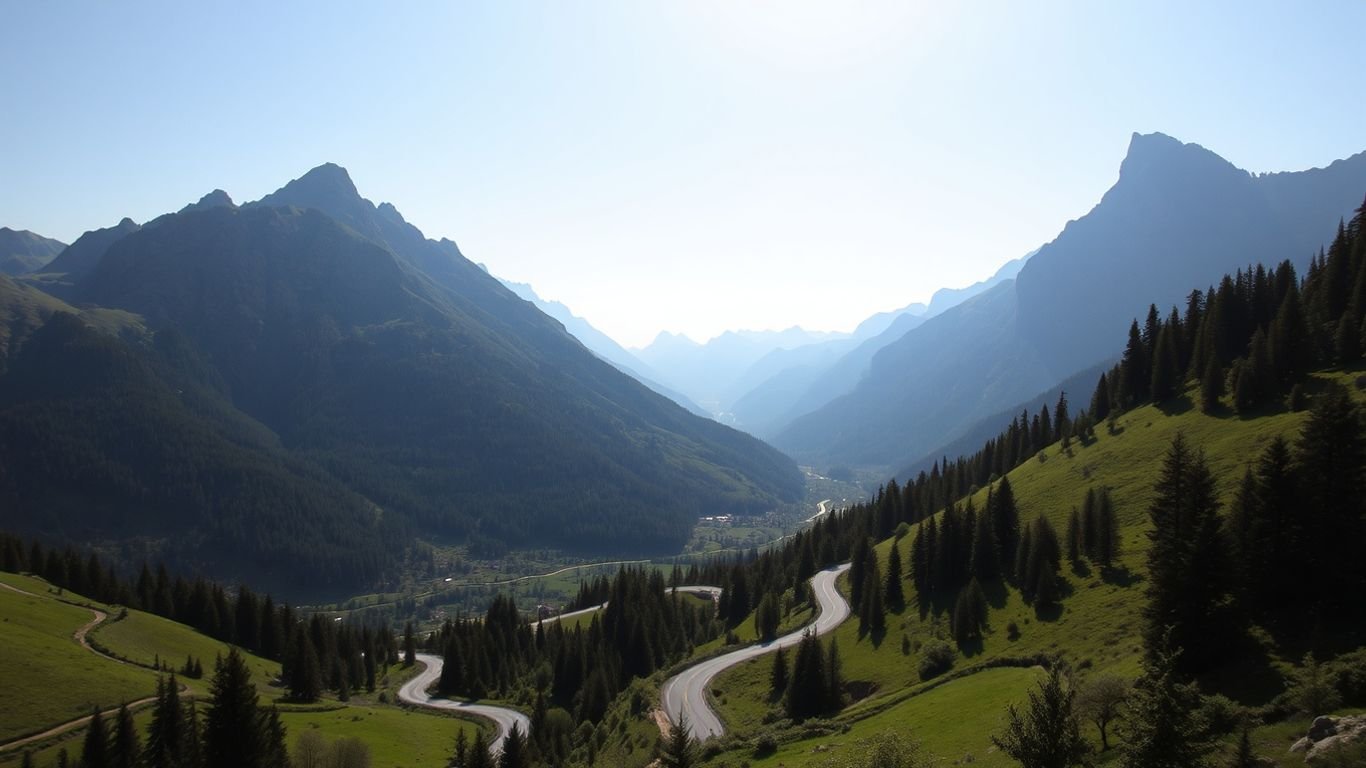
Traveling this iconic route involves navigating roughly 50 miles of winding mountain passes that climb significantly in elevation. The distance between major trailheads is substantial, and stopping for photo opportunities or quick hikes takes longer than most expect. Having your own car ensures that you can tackle the drive in segments or return to your favorite spots whenever the light looks perfect for photography.
Limitations of park shuttle services
Park shuttles provide basic access but prioritize major transit points over quiet, off-the-beaten-path areas. Relying solely on these services often forces visitors to skip smaller trailheads or remain in crowded areas rather than venturing into the backcountry. You are essentially locked into the shuttle’s specific route, which limits your ability to adapt your itinerary based on local weather or sudden changes in park conditions.
Freedom to explore areas outside park borders
Montana is much larger than its national parks, and some of the best experiences are located in the surrounding national forests and mountain towns. Renting a car allows you to drive safely between Glacier and other regional highlights without being dependent on limited regional buses.
- Easily detour to local mountain towns for dinner or supplies.
- Access remote trailheads not served by public transit.
- Set your own departure times to beat early morning crowds.
- Carry bulky gear like hiking boots and camera tripods comfortably.
Where to pick up your rental car near Glacier National Park
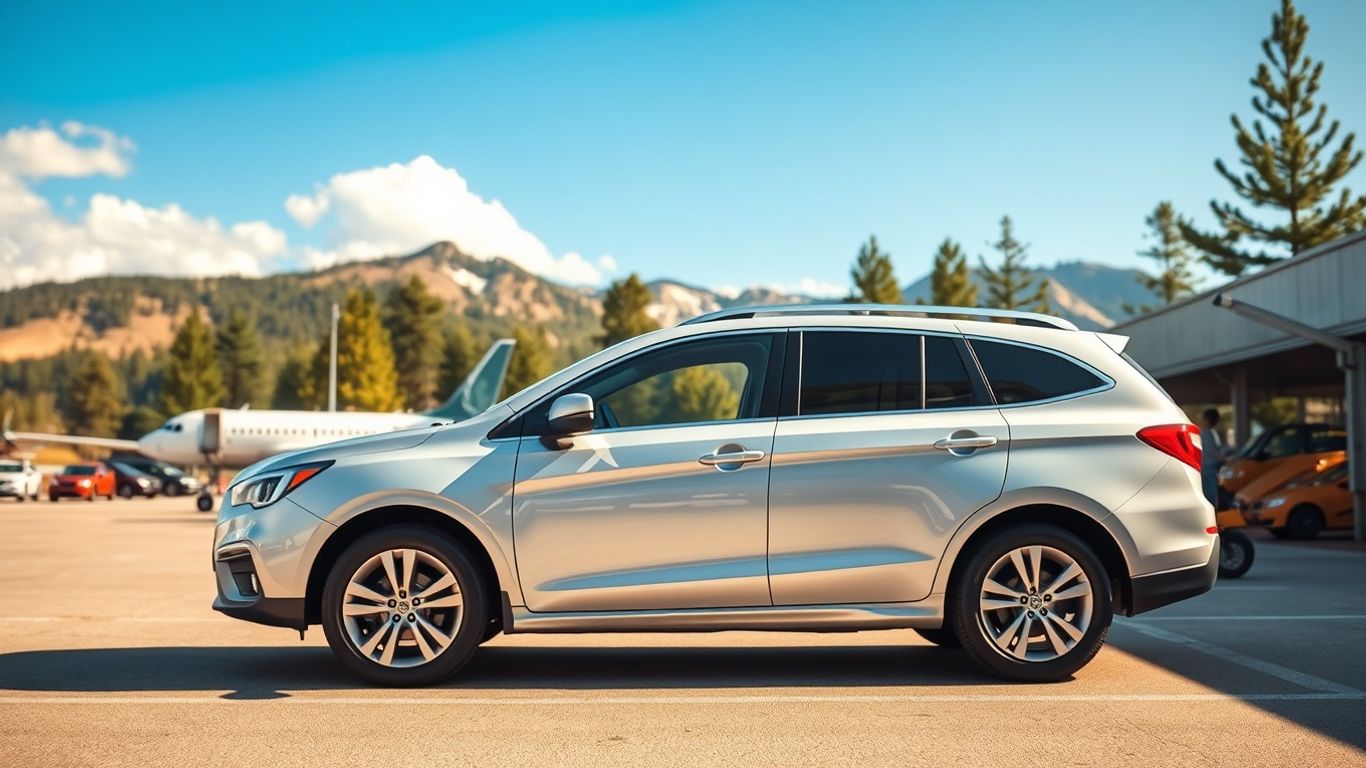
Choosing the right pickup spot impacts both your total cost and the duration of your first travel day. Most travelers find that flying directly into the nearest hubs saves significant time, preventing long, exhausting drives from more distant major cities. Evaluating your options early is vital since local fleets often sell out during the prime summer trekking season.
Flying into Glacier Park International Airport (FCA)
This airport serves as the primary gateway for those visiting the park, offering a convenient Glacier International Airport car rental experience. Because it is located near the park’s entrance, you can land and be on your way to the mountains within an hour. It remains the most requested hub, so booking through DiscoverCars as soon as your flights are confirmed is highly recommended.
Renting in Kalispell and Whitefish
Kalispell and Whitefish offer more rental inventory than smaller towns and provide a great base for stocking up on supplies. There are various suppliers available, and taking the time to compare their terms can help you find a vehicle that fits your specific travel needs. These towns are well-equipped to handle the tourism influx and provide easy access to the western park entrances.
Availability in Missoula and surrounding regions
If you find limited availability at closer hubs, Missoula is a larger city that often carries more vehicles. While it is a longer drive to the park, the inventory is typically deeper, providing more options for those who failed to book well in advance.
| Region | Inventory Level | Convenient For |
|---|---|---|
| Kalispell | Moderate | Immediate park access |
| Whitefish | High | Mountain town stays |
| Missoula | Very High | Large group options |
Understanding vehicle reservation requirements
Recent years have seen shifts in park entry policies that prioritize visitor experience, particularly at high-traffic areas. Staying updated on these regulations before your departure is essential to avoid being turned away at the gate. It is worth noting that for 2026, the park is moving toward a ticketed-only shuttle system, so checking the current Logan Pass guidance is a mandatory step for any traveler.
Managing park vehicle reservation tickets
Rules regarding vehicle entries fluctuate based on peak visitor volume and park maintenance projects. Always visit the official park website to see if a specific entry permit is needed for the road or timeframe you are targeting. These reservations ensure that traffic remains manageable, allowing for a better experience for everyone on the road.
How rental car registration affects your park entry
Since the vehicle will be registered to a rental company, ensure you have your rental agreement readily available during your journey. Some park permit systems might require the vehicle license plate number to complete an entry request, so waiting until you are in the car to register is often the smartest strategy.
Planning travel dates around seasonal road closures
Snow can linger on high mountain passes well into June or even early July. Planning your trip for late summer ensures the roads are fully accessible, but it also increases visitor volume. If you must visit outside of the peak summer window, prepare for significant portions of the high-country roads to remain closed to private vehicles.
Choosing the right vehicle for Montana terrain
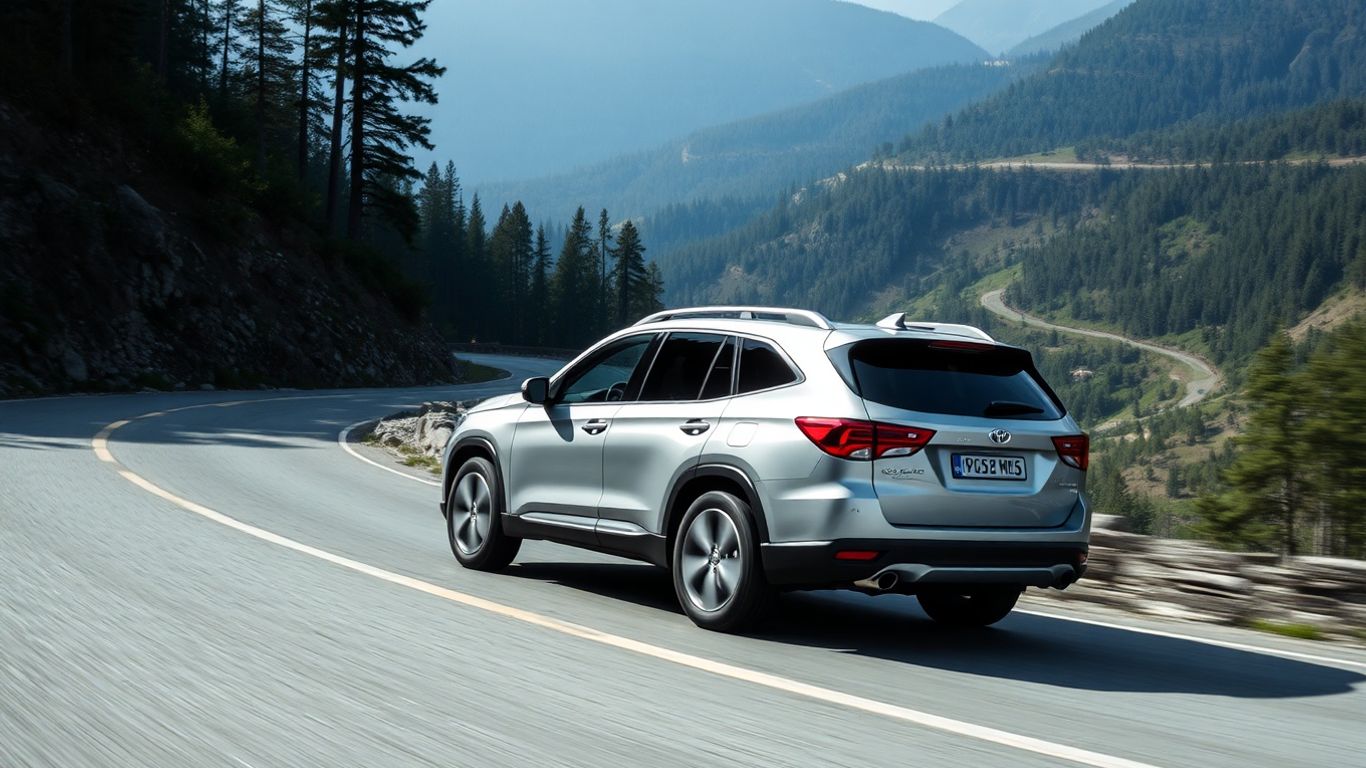
Selecting your transport requires an understanding of how distinct terrains impact vehicle performance. While many roads are paved, they are often steep and prone to sudden temperature changes, making a dependable all-wheel drive vehicle a logical choice for safety. DiscoverCars helps you compare these specific categories so you are never surprised by your rental’s performance on hilly inclines.
Benefits of renting an SUV or all-wheel drive
An SUV or AWD vehicle provides better traction on loose dirt lots and improves stability on winding mountain roads. Even during the summer, mountain weather can turn stormy, causing slick conditions on surfaces that were dry only minutes before. The added height also provides better visibility when navigating through narrow canyons or areas where wildlife is prone to crossing the road.
Size considerations for narrow mountain roads
Though a large van might seem ideal for a big group, it can become a burden on narrow turnouts and tight parking lots at popular trailheads. Stick to a vehicle that you feel confident maneuvering through sharp, blind curves. If you are comparing options on DiscoverCars, check the dimensions of the car class to ensure it will fit comfortably in standard parking spaces.
Fuel efficiency for long-distance scenic driving
Travelers often overlook the distance between gas stations in remote Montana. A vehicle that balances power with fuel efficiency is preferred, as you will likely cover hundreds of miles during your trip. Conserving fuel not only saves money but reduces the need to stop frequently in busy station queues, keeping your schedule flexible.
Making the most of DiscoverCars for your trip
Simplifying the rental process involves having a tool that clearly lists terms without hidden fees. This comparison platform allows you to view multiple brands at once, which is incredibly helpful when inventory is tight. You can see the full price upfront, avoiding the shock of last-minute surcharges at the counter.
How to compare prices across different rental brands
Using a comparison interface allows you to filter by specific criteria such as transmission type, vehicle class, or supplier rating. This transparency ensures that you are choosing a company that fits your budget rather than just picking the first available option. Always prioritize suppliers with high ratings to ensure better customer support if questions arise.
Navigating cancellation and insurance policies
Insurance requirements can be confusing, but clarity is provided by reviewing the policy details before making a final booking. Many travelers prefer to opt for full coverage on major travel sites to eliminate the stress of worrying about accidents in remote areas. Clear cancellation policies are also vital if your travel dates or flights undergo unexpected changes.
Securing a vehicle during the peak summer season
Booking a rental car at the last minute during the height of the summer season is rarely successful. The most reliable strategy is to confirm your transport months in advance. By finalizing your reservation now, you lock in current rates and avoid the scarcity that inevitably plagues popular park gateways when tourism peaks.
Driving safety and logistics in Glacier National Park
Driving in a national park is vastly different from navigating suburban roads. The constant focus required for steep grades and shifting traffic means you must be alert at all times. Being well-prepared for your journey helps you manage stress and focus on the beautiful scenery surrounding you.
Navigating steep grades and sharp switchbacks
Descending a steep mountain grade requires careful use of low gears to avoid overheating your brakes. Experienced drivers in mountainous regions understand that taking it slow is the safest way to tackle these hairpin turns. Always stay within your comfort zone and allow faster vehicles to pass at designated pullouts.
Dealing with wildlife on the road
Animals in this region do not possess fear of vehicles and often wander onto the asphalt without warning. Early morning and dusk are particularly high-risk times for deer, elk, or bears to cross your path. Maintain a safe speed and scan the shoulders of the road, as catching movement early can be the difference between a minor pause and a dangerous collision.
Managing limited parking capacity at popular trailheads
Parking is a known challenge in the most popular parts of the park, and arriving late in the morning often means full lots. If you arrive early, you will have more options, but if the main lot is full, be prepared to wait or adjust your hike to a less crowded area. Never park on delicate vegetation or outside of designated spaces, as this destroys the natural resources you are visiting to enjoy.
Conclusion
Exploring a wilderness area as vast as Glacier requires careful planning, but having your own set of wheels makes the experience truly rewarding. By choosing the right vehicle, booking ahead, and keeping a flexible schedule, you can safely navigate the park’s majestic scenery while following visitor guidelines. Use a transparent platform to ensure your trip stays within budget and provides the freedom needed for a memorable adventure.
Ready to compare Glacier National Park rental prices?
Frequently Asked Questions
Do I need an international driver license?
If you hold a valid license from your home country, you generally do not need an international driving permit to rent a car in the United States, provided it is in English.
Can I drive a rental car on unpaved park roads?
Most rental contracts prohibit driving on unpaved tracks, and you should check the terms provided by your supplier before taking any vehicle off the main asphalt routes.
Is one-way car rental an option?
One-way rentals are possible but often come with a significant "drop-off" fee. Check the costs on your comparison site to see if the flexibility justifies the expense for your specific itinerary.
What do I do if I have a breakdown in the park?
Most rentals provide a roadside assistance number. Keep this contact information in your phone, and always carry a physical copy in your glove box in case your cell service is unavailable.
Are there age restrictions for renting a car?
Most suppliers require the driver to be at least 25 years old, though some smaller companies may allow 21-24 year-olds for an additional daily surcharge.
What type of insurance is mandatory?
While state law requires basic liability insurance, most rental counters will strongly encourage adding physical damage coverage to protect against theft or accident-related repairs.
How much gas should I plan to buy?
Distances are long, and fuel consumption is higher on steep mountain roads. Always keep your tank at least half-full, especially when heading away from towns and into the deeper regions of the park.
Disclosure: This article contains affiliate links. If you book through them, we may earn a commission at no extra cost to you. This helps support our free guides.