
Key Takeaways
Death Valley National Park requires personal transportation to fully explore its vast expanse. This guide outlines how to streamline your journey using reliable tools and preparation methods.
- Renting a vehicle provides the autonomy needed to reach remote basin viewpoints.
- Using online comparison platforms helps secure the best rates for your desert excursion.
- Choosing the correct vehicle class impacts your ability to traverse unpaved backcountry roads.
- Picking up your rental at a major gateway airport often offers better inventory and pricing.
- Proper insurance and fluid checks are non-negotiable for a safe trip in extreme heat.

Why you need a rental car for Death Valley
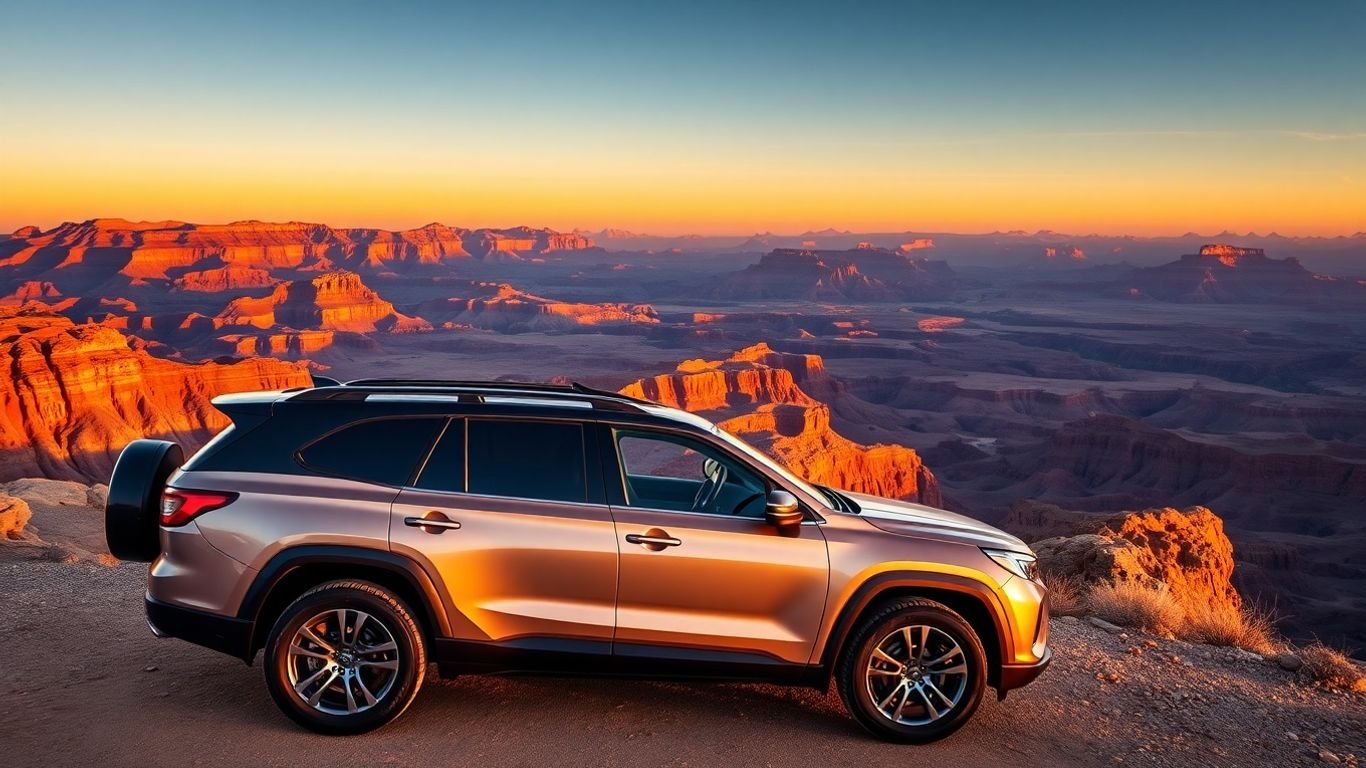
Planning a trip to Death Valley National Park requires careful thought since there is no public transit available inside the park. A rental car is essential for independent exploration, allowing visitors to travel between distant landmarks at their own pace without depending on rigid transport services. By choosing to drive yourself, you gain the freedom to stay as long as you like at iconic spots like Zabriskie Point or Mesquite Flat Sand Dunes.
The vast scale of the park
Death Valley covers over 3 million acres, making it the largest national park in the contiguous United States. To see the highlights from north to south, visitors must cover significant distances on roads that offer little to no cellular reception. Having your own set of wheels ensures you are not stranded and can manage your schedule effectively.
Limitations of guided tours
Guided tours often restrict sightseers to pre-determined routes and timeframes, which can limit your opportunity for photography or leisurely hiking. By relying on a personal vehicle, you avoid the constraints of group travel and can pivot your itinerary based on weather, road conditions, or personal preference. This flexibility is the most convenient travel method for anyone looking to engage deeply with the desert landscape.
Accessing remote points of interest
Many of the most breathtaking areas in the park, such as the Racetrack Playa, are located far from the main tourist hubs. Accessing these points often requires a reliable vehicle that can handle the specific conditions of the environment. Without a private vehicle, you would miss out on the solitude and raw beauty of these quieter corners of the park.
Leveraging DiscoverCars for your trip
Navigating the rental process can be daunting given the variety of suppliers and changing price points. Utilizing a comprehensive comparison site like DiscoverCars allows you to see all-in pricing, which includes taxes and fees that might otherwise be hidden until the last moment. This transparency ensures that you can book your reservation with confidence, knowing exactly what to expect before you arrive at the pickup counter.
Comparing rental agencies efficiently
Searching on a centralized platform lets you view multiple companies side-by-side, helping you identify which providers offer the best value for your specific dates. Instead of hopping between individual agency websites, you can cross-reference policies, requirements, and vehicle classes in one unified view. This approach saves significant time and helps you avoid overpaying for standard rental models.
Filtering for specific vehicle types
When searching for a vehicle, it is crucial to use the available filter tools to select the exact features you need for your desert trip. You can narrow down results based on transmission type, air conditioning availability, and high-clearance capacity to ensure your car is suited for the terrain. This precision reduces the risk of arriving at the airport to find that the inventory lacks the capability required for your planned route.
Managing bookings and cancellations
An online dashboard provides the flexibility to monitor your reservation and adjust plans if your travel schedule changes. Many bookings on comparison sites offer clear cancellation policies, allowing you to secure a car early when prices are typically lower while maintaining the ability to cancel if plans evolve. This peace of mind is invaluable when coordinating complex road trip logistics across multiple states.
Choosing the right vehicle for the desert
Selecting the right car is the single most important decision for a successful desert driving experience. Weather changes and the variety of road surfaces mean that your vehicle must be up to the task of handling both extreme heat and potential gravel sections. Being prepared ensures your trip remains focused on adventure rather than maintenance concerns.
Standard sedans for paved main roads
For travelers sticking to the main highways and popular visitor areas, a standard sedan is usually sufficient. These vehicles are fuel-efficient and easy to handle on the well-maintained asphalt found at primary landmarks. They provide enough space for luggage while keeping your rental costs reasonable.
SUVs and 4WD for backcountry trails
If your itinerary involves exploring the deeper parts of the park, you will need a more robust vehicle to ensure safety. The following table identifies which vehicle categories are best suited for typical park road conditions:
| Vehicle Type | Recommended Terrain | Best For |
|---|---|---|
| Economy Sedan | Paved Highways | Budget travelers |
| Mid-size SUV | Paved and well-graded gravel | Comfort and space |
| 4WD Jeep | Backcountry and unmaintained trails | Rugged terrain access |
Using an SUV or 4WD vehicle provides the necessary clearance to navigate sharp rocks and deep sand during your adventure. These models are essential if you plan to visit remote locations where road maintenance is minimal.
Considering fuel efficiency and tank range
Distances between gas stations in the desert can be vast, meaning your vehicle’s range is a critical safety consideration. You should always monitor your fuel levels and follow these simple steps to ensure you do not run out of gas between stops:
- Keep your tank at least halfway full at all times when driving in remote zones.
- Plan your route to include scheduled stops at identified service stations.
- Carry an extra container of water in case your vehicle experiences overheating.
- Drive at consistent speeds to increase your actual fuel economy.
By being mindful of your vehicle’s efficiency, you can explore safely without the stress of suddenly finding your needle on empty.
Pickup strategies: Las Vegas versus local options
Finding the right place to secure your car can significantly affect your overall travel cost. While there are some options near the park boundary, arriving at a major airport usually gives you better leverage. Choosing the right pickup point is a key part of your Death Valley car rental strategy.
Taking advantage of competitive rates at Harry Reid International Airport
Las Vegas provides an extensive inventory of rental cars, which drives prices down due to high competition among agencies. Because so many tourists use this hub to reach nearby SunDrive destinations, you can often find better rates and a wider selection of available vehicle makes and models than at smaller, isolated locations.
Understanding the limited rental car inventory near the park
Options directly adjacent to the national park are quite restricted compared to larger city hubs. Renting locally might feel convenient in theory, but it often leads to limited availability and higher prices for standard vehicles. Reliance on local inventory creates risk, especially during peak visitor seasons when supply is quickly exhausted.
Balancing driving time with logistical savings
Driving from the airport is a manageable trip that allows you to see the changing landscape as you approach the desert floor. Weighing the cost of a longer drive against the significant savings in rental rates often reveals that taking a car from a major city is the most economically sound decision. You save on rental base rates while also having the flexibility to stock up on supplies in a city before heading into the wilderness.
Essential preparation and safety tips
Safety is the absolute priority when crossing the hot desert plains of Death Valley. Even if your car is in good condition, the environment places significant stress on mechanical components. Performing a proactive check of your rental before leaving the lot can prevent frustration later on.
Checking fluid levels and tire pressure before departure
Before heading onto the open road, take a few minutes to walk around the vehicle and check the tires. Ensure that the pressure is set to the manufacturer’s recommendations and verify that the engine coolant, oil, and windshield washer fluid are filled. These small steps prevent common breakdown issues during your excursion.
Planning for extreme desert heat and cooling system stress
High temperatures can cause engines to work harder than they do in mild climates. Monitor your dashboard gauges closely, especially when ascending mountain passes or idling in traffic during the hottest part of the day. Turning off the air conditioning for short periods if the engine temperature spikes can help provide the cooling system with a necessary buffer.
Locating fuel stations throughout the park
Fuel is limited inside the park boundaries, and stations are often quite far apart. You should map out where you plan to get gas before you enter the park. Do not wait for your fuel light to come on, as the nearest station may be over fifty miles away on a remote road without signal or passersby.
Understanding rental insurance and rental agreements
Rental agreements can have specific clauses regarding where the car can be driven, which is critical in a park with so many unpaved roads. Understanding what your policy covers will prevent you from being hit with unexpected costs if something goes wrong. Always read the fine print regarding off-road restrictions to ensure you remain fully covered.
The importance of confirming unlimited mileage
Driving in rural parks involves covering long distances, so confirming that your contract includes unlimited mileage is highly recommended. This ensures you can explore the park’s perimeter and its many separate attractions without worrying about per-mile charges. Check the details of your agreement on your booking platform to verify your terms.
Evaluating collision damage waivers for remote driving
Many standard insurance policies do not cover damage that occurs on unpaved roads or in isolated areas. Evaluating the collision damage waivers offered by your rental agency is important for peace of mind. Some premium plans or credit card protections might also provide extra layers of coverage, but it is important to confirm what is explicitly excluded.
Protocol for vehicle breakdowns in areas without cell service
If you find yourself in a situation where the car won’t start and you have no cell signal, stay with your vehicle. Most rental agencies require you to contact their roadside assistance line, but in the desert, this is not always possible immediately. Carrying a physical map of the area and letting a friend know your planned return time is vital for your safety.
Conclusion
Exploring Death Valley is a rewarding experience that requires careful preparation and the right tools for the job. By choosing to arrange your transport through a reliable comparison service, you can focus on the unique geology and beauty of the park while avoiding common rental pitfalls. With a capable vehicle and a solid plan in place, your self-drive desert adventure is sure to be one for the books.
Ready to compare Death Valley rental prices?
Frequently Asked Questions
Which vehicle is best for Death Valley?
For the main paved roads, a sedan is perfectly fine, but an SUV is highly recommended if you wish to access more remote canyons or gravel trails.
Do I need four-wheel drive for the park?
Most primary tourist highlights are accessible with standard two-wheel drive vehicles, though 4WD is necessary for accessing remote, unmaintained backcountry roads.
Is it safe to enter the park with a rental car?
Yes, it is perfectly safe as long as you stay on marked roads, monitor your fuel levels, and remain aware of the vehicle’s limitations in extreme heat.
When is the best time of year to visit?
The desert is best explored from late autumn through early spring when temperatures are moderate, as summer heat can become dangerous for both drivers and vehicles.
How far are the gas stations in the park?
Service stations are sparse, with distances between them often exceeding 40 to 60 miles, so it is safer to ensure your tank is always at least half-full.
What should I do if I get a flat tire on a dirt road?
If you encounter a flat, move the vehicle to a safe spot, use your spare tire, and carefully drive to the nearest service point, as you may be responsible for the cost of repair.
Can I take my rental outside of Nevada?
Most rental contracts allow for travel across state lines, but you should always check the terms of your specific rental agreement regarding cross-border driving.
Disclosure: This article contains affiliate links. If you book through them, we may earn a commission at no extra cost to you. This helps support our free guides.