DiscoverCars Miami Beach: Miami Beach Car Rental Guide

DiscoverCars Miami Beach: Miami Beach Car Rental Guide

Key Takeaways

Planning your trip to Florida requires careful preparation, especially regarding transportation. Here are the essential points for securing your rental:

  • Book your vehicle at least one week in advance to ensure availability and better pricing.
  • Compare all-in prices upfront to avoid unexpected costs upon arrival.
  • Decide between airport and city pickup based on your specific arrival schedule and convenience.
  • Always carry valid documentation, including a driver’s license and a major credit card.
  • Factor in parking availability and traffic patterns, particularly when staying in busy districts like South Beach.

DiscoverCars.com

Benefits of using DiscoverCars for Miami Beach car rental

Comparing rental prices across multiple agencies

When you prepare for your trip, looking at Miami car rental options can feel overwhelming due to the sheer number of providers available. Utilizing an aggregator allows you to see a broad spectrum of fleet options in a single view, ensuring you aren’t stuck with the first price you see. This comparison empowers you to make a choice that fits both your budget and your travel style without toggling between countless browser tabs.

Transparent booking process and cancellation policies

Transparency is essential when booking transportation. DiscoverCars assists travelers by showing the full price upfront, including mandatory taxes and fees, so you understand your total cost before you commit. Having the ability to cancel your reservation if your plans shift provides a necessary safety net for unpredictable travel itineraries.

Access to verified customer ratings and reviews

Choosing a reliable rental provider is just as important as the car itself. By reviewing past experiences from other travelers on DiscoverCars, you gain a clearer picture of service quality and vehicle conditions. These insights help you avoid agencies that might have complicated pickup procedures or hidden issues, ensuring your transaction is as smooth as possible.

Choosing the right pickup location in Miami Beach

Miami Beach skyline and transport options

Renting from Miami International Airport (MIA)

Arriving and departing through a major hub usually offers the greatest level of convenience. By picking up your rental car at the airport, you can transition directly from your flight to the road. This setup typically offers a wider variety of vehicle classes and extended operating hours compared to smaller neighborhood branches.

Convenience of downtown and city center rental counters

For travelers already spending time in the city before needing a vehicle, renting from a downtown counter avoids additional airport transit. This method is often a smart financial move if you plan on using public transport for your first few days. It also keeps your rental window focused exclusively on the days when you truly need to explore outside the city limits.

Factors for selecting the best pickup point based on your itinerary

Deciding where to pick up your vehicle depends on your specific arrival logistics and post-rental plans. Consider the following comparison to help narrow down your choice:

Location Type Primary Benefit Best For
Airport Maximum availability International travelers
City Center Cost-effective timing Extended city stays
Neighborhood Local accessibility Last-minute bookings

Selecting the right spot requires balancing your arrival mode with your travel goals. Once you determine whether you need a car upon landing or later in your trip, you can refine your search to match that timing perfectly.

Requirements and documentation for your rental

Necessary driver documentation and identification

Every driver must present a valid, government-issued driver’s license at the time of pickup. International travelers should also verify if an International Driving Permit is required by their specific rental agency, as policies can vary based on your home country’s regulations. Keep your passport handy as well, especially if you are required to verify your identity as a visitor.

Understanding age restrictions for primary drivers

Most agencies enforce age-based policies that impact your total rental price. Drivers under 25 are frequently subject to a daily young driver surcharge, which is an additional fee common throughout the industry. Checking these policies beforehand ensures you aren’t surprised by a higher bill at the counter.

Credit card and security deposit policies

Rental agencies standardly require a credit card in the primary driver’s name to hold a security deposit. This deposit is not typically a charge, but a hold that locks away a portion of your credit limit for the duration of the rental. Ensuring you have sufficient available credit is vital to avoiding any issues during the pickup process.

DiscoverCars.com

Navigating traffic and parking in South Beach

Traffic flow in sunny South Beach

Managing peak traffic hours in the city

South Beach is a vibrant, high-traffic area where congestion can build up quickly during commute times and weekends. Using a navigation app can help you identify real-time patterns, allowing you to bypass heavily congested corridors. Planning your departures outside of typical rush hours is one of the best ways to keep your travel stress-free.

Finding reliable public parking garages and overnight lots

Street parking in popular areas is often limited and strictly managed. Seeking out municipal garages is a more reliable approach to securing your vehicle for an extended period. These facilities offer defined rates and are generally safer for overnight storage compared to leaving a car on a busy street.

Understanding street parking regulations and potential fines

Awareness of local rules is critical to avoiding unexpected expenses like parking tickets. Regulations change depending on the zone, time of day, and specific events happening in the district. It falls on you to check posted signage carefully before leaving your vehicle, as fines can add up quickly if you ignore time limits or permit requirements.

Strategies for affordable car rentals in Miami

Booking during the off-season for lower daily rates

The time of year you visit significantly dictates your daily rental overhead. You will generally find more competitive pricing during the off-season months, whereas December and major holiday periods demand a premium. Planning your visit for mid-year months often yields significant savings.

Comparing vehicle classes for cost efficiency and fuel economy

Choosing a vehicle class that aligns with your actual needs can prevent unnecessary spending. For example, selecting a compact economy car is usually the cheapest option and often provides better fuel economy for city driving. You can follow these steps to stay within your budget:

  1. Identify the passenger count and luggage volume needed for your group.
  2. Filter your search results by fuel-efficient models when comparing agencies.
  3. Avoid upgrading to a larger SUV unless you genuinely require the extra space.

Following these steps ensures that you are paying for functionality rather than status or size. Balancing efficiency with your comfort helps you maintain a manageable rental budget throughout your trip.

Identifying and avoiding unnecessary add-ons at the rental desk

Rental agents may suggest various upgrades or extra services at the counter, which can inflate your final invoice. It is usually best to confirm your preferred coverage and features during the online booking process rather than on the spot. If you have already secured the necessary protections, you can politely decline additional offers.

Insurance and liability coverage essentials

Evaluating Collision Damage Waiver (CDW) benefits

Understanding the CDW insurance is a vital part of your rental preparation. This protection limits your financial liability if the vehicle is damaged during your rental period, providing you with peace of mind. Reviewing the terms of this waiver allows you to understand exactly what is covered and what your potential out-of-pocket exposure might be.

Checking your personal insurance policy coverage for rentals

Your existing car insurance policy at home might extend coverage to rental vehicles, potentially saving you from needing extra protection. Call your insurance provider to confirm the specific terms of your policy regarding rental coverage to avoid double-paying. Some credit cards also provide rental insurance, which can be a valuable perk if you use the card to pay for your rental transaction.

Exploring the benefits of third-party protection plans

Third-party insurance plans can offer comprehensive coverage that matches or beats what is offered at the rental counter. Many travelers find these plans provide better value, offering lower rates for similar types of protection. DiscoverCars provides useful tools for reviewing these options to ensure you are adequately covered without being stuck with overpriced agency insurance.

Conclusion

Securing the right rental requires a bit of foresight, from choosing the proper pickup point in Miami Beach to understanding the intricacies of insurance and local parking. By comparing your options early and staying informed about rental terms, you can ensure your trip focuses on the experience rather than the logistics of getting around. With your preparations handled, you will be well-equipped to enjoy everything the city has to offer.

Ready to compare Miami Beach rental prices?

Check live prices on DiscoverCars →

Frequently Asked Questions

Do I need an international driving permit to rent in Miami Beach?

Most rental agencies accept standard domestic driver’s licenses for international visitors, though you should always carry your passport and check if your home country’s specific license requires an accompanying permit translation.

Is it better to pick up my rental car at the airport or in town?

Airport locations provide the most inventory and flexibility for arrival, while city center offices can prevent travel time and bridge the gap if you only need a car for a portion of your visit.

Are there any specific scams to watch for when renting online?

Always stick to well-known comparison platforms that offer transparent, all-in pricing and verified reviews to ensure you aren’t lured in by deceptive, bottom-tier prices that hide significant fees later.

How does the toll system work in Florida?

Florida operates a cashless toll system, so most vehicles use electronic transponders or have their license plates scanned to charge the rental account, which can often be managed with your own SunPass.

Can I return my rental car to a different location than where I picked it up?

Yes, one-way rentals are common, though they often include a drop-off fee to cover the logistics of returning the vehicle to its original source. Always confirm the one-way fee during your initial booking.

What happens if I return the car outside of business hours?

Most major rental locations have a secure drop-box for keys if you return outside of staffed hours, though you should inform the agency in advance and verify their specific after-hours drop-off procedures.

Should I worry about rental car mileage limits?

While many standard rentals offer unlimited mileage, it is imperative to verify the specific terms of your agreement, especially if you plan on going on a long road trip or driving across state lines.

Disclosure: This article contains affiliate links. If you book through them, we may earn a commission at no extra cost to you. This helps support our free guides.


DiscoverCars Honolulu: Honolulu Hawaii Car Rental Guide

DiscoverCars Honolulu: Honolulu Hawaii Car Rental Guide

Key Takeaways

Planning a trip to Oahu requires careful consideration of transportation needs to ensure you can explore the island freely. These essential points will help you navigate the process of securing a vehicle efficiently and affordably.

  • Compare rates across multiple providers to secure the best pricing for your dates.
  • Consider renting from downtown or Waikiki locations to avoid airport demand surges.
  • Use a dedicated platform to bundle insurance and compare total costs upfront.
  • Check your personal credit card for secondary rental protection before buying extra coverage.
  • Inspect the car carefully for existing damage before leaving the rental facility.
DiscoverCars.com

Choosing between airport and neighborhood rentals

Deciding where to pick up your vehicle significantly influences your vacation budget and initial travel logistics. While the airport offers immediate access upon arrival, neighborhood branches provide a quieter environment and potentially lower daily rates for travelers staying in city centers. We recommend evaluating your total trip itinerary before choosing your primary pickup point.

Renting at Daniel K. Inouye International Airport (HNL)

The airport provides the most seamless transition from flight to driving, especially for those ready to explore immediately. You can find convenient car rentals at the consolidated facility located directly across from the terminals, which houses major national agencies. This choice minimizes transit time but may come with higher taxes or location fees.

Exploring Waikiki and downtown rental locations

Many travelers prefer staying near their resort property before picking up a car, which allows for a few car-free days. Neighborhood locations like those offered by Avis allow you to skip the initial terminal rush while positioning yourself closer to your hotel. This strategy is ideal if your first two days are dedicated solely to beach relaxation.

Comparing convenience versus rental rates

When evaluating choices, remember that convenience often carries a premium price point at major transit hubs. Conversely, localized services focus on specific neighborhood needs where you might find more flexible reservation windows. You should always look at the full cost of your rental contract rather than just the daily rate.

Strategic benefits of off-airport rental options

Choosing an off-airport site might offer quieter pickup experiences and less congestion than the busy airport hubs. For those renting for shorter durations, Hui Car Share provides a decentralized model that lets you skip the counter entirely. By avoiding the airport, you can often save significantly on facility-specific surcharges while focusing your budget on island activities.

How to use DiscoverCars for your Hawaii trip

A clean rental car parked near tropical palms

Utilizing a meta-search engine streamlines your search by aggregating massive amounts of data into one view. When planning your Hawaii transit, Discover Cars helps simplify the complex rental landscape by offering a centralized dashboard for comparisons. This tool is instrumental in identifying the best vehicle classes and pricing structures for your specific travel dates.

Navigating the DiscoverCars platform interface

The interface is designed to provide visibility into all-in pricing so you know what you are paying from the start. You can easily view different supplier ratings to understand the quality of service provided by each agency. This clarity helps you filter out providers that do not meet your standard needs.

Filtering results by vehicle size, fuel type, and price

Finding the perfect car requires balancing trunk space with your need for island fuel efficiency. You can use the search filters to isolate specific criteria like transmission type or vehicle class to suit your driving comfort. This ensures you only see vehicles that fit your specific Oahu road trip requirements.

Reading rental conditions and specific supplier policies

Understanding the fine print is vital to avoiding surprises at the rental counter upon your arrival. Every supplier has its own set of rules regarding fuel, mileage, and driver ages that should be vetted carefully. Reviewing these policies early ensures you remain in compliance with the rental agreement.

Managing your booking and modifications online

If your travel plans change, the ability to manage your booking through your account is a critical feature. You can often adjust your dates or modify your vehicle choice should your vacation needs shift unexpectedly. Please consult the table below to see a summary of typical rental considerations before you proceed with your final selection.

Feature Airport Pickup Neighborhood Pickup
Availability High Moderate
Cost Factors Higher Lower
Transit Time Immediate Moderate

Understanding insurance and legal requirements

Navigating the legal standards of Hawaiian driving starts with knowing your coverage limits and requirements. While the basic state insurance rules protect third parties in the event of an accident, you should always verify the extent of your own personal protections. Being prepared with the right documentation ensures that your pickup process goes smoothly without unnecessary delays.

Mandatory Hawaii state insurance regulations

Hawaii requires that all vehicles are covered by liability insurance for property damage and bodily injury. Most rental agencies include the minimum state-mandated coverage in their base rates to ensure legal compliance. Understanding these legal floors helps when you are assessing whether to add extra coverage to your personal policy.

Evaluating the benefits of full coverage insurance

Full coverage insurance can provide peace of mind by significantly reducing your financial responsibility if an incident occurs. While it increases your daily cost, it removes the stress of paying for minor dings or scratches that might occur while parking. It essentially acts as a safeguard during your entire duration on the island.

Checking your credit card’s secondary rental protection

Before you purchase supplemental protection at the counter, verify what your own credit card covers. Many premium travel cards offer secondary insurance that can cover your deductible in certain scenarios, provided you use the card correctly. Taking a few moments to call your provider can save you a substantial amount of money on your total bill.

Required documentation for domestic and international drivers

Ensuring you have the correct paperwork is the responsibility of the driver at the time of pickup. Domestic drivers must present a valid driver license, while international visitors should have their passport and a valid national license. Confirming these details in advance prevents any issues when you stand at the service desk.

DiscoverCars.com

Navigating Honolulu infrastructure and parking

Heavy traffic flowing on a sunny tropical freeway

Driving through the capital requires patience, particularly during the high-traffic segments of your day. Oahu has a unique road layout that relies heavily on a few arterial routes connecting the mountain passes to the coast. Familiarizing yourself with these main thoroughfares early will make your travels far more predictable and enjoyable.

Handling peak hour traffic on the H-1 Freeway

The H-1 Freeway is the vein of island traffic, and it can become quite congested during morning and afternoon rushes. You should try to plan your major sightseeing trips around these peak times to avoid sitting in long, slow-moving queues. Early morning starts are often the best way to enjoy empty roads on your journey to the North Shore.

Finding affordable parking in dense areas like Waikiki

Parking in active areas like Waikiki can be challenging and costly if you search for spots blindly. Most hotels operate their own stalls, but you can also look for public parking structures that offer lower daily or hourly rates. Planning your parking locations as part of your daily route helps keep your transportation costs under control.

Mastering time-restricted parking zones and beach parking

Street parking throughout Honolulu is governed by strict, time-limited zones that you must respect to avoid citations. Beach areas often have shared public access, meaning the spots fill up very early in the morning. Arriving earlier ensures you get a spot without having to rely on expensive commercial lots.

Managing tolls and local traffic rules

Though Oahu does not have extensive tolling like mainland states, you should always observe the posted speed limits and residential zone restrictions. Local drivers value courteous behavior, such as yielding to merging traffic on the freeways. Following these simple conventions will make your rental experience much more natural.

Selecting the right vehicle for Oahu

Choosing a car that fits your specific travel goals is as important as the destination itself. Whether you prioritize gas economy for long coastal stretches or sheer passenger comfort for family groups, the right choice changes your experience entirely. Take a moment to consider what kind of driving you plan to do most, as this will dictate your vehicle class.

Compact cars for city maneuverability

Compact cars are the most logical choice if you plan to stick primarily to the downtown and Waikiki urban corridors. Their short wheelbase and smaller turning radius make them a dream for maneuvering through tight parking garages or navigating dense city streets. Plus, they fit into smaller city slots that larger trucks would struggle to occupy.

Convertibles for scenic coastal drives

There is something quintessentially Hawaiian about driving along a coastal road with the roof down. Convertibles allow you to fully immerse yourself in the salt-air breeze while enjoying the sweeping ocean views that define the island. While they may have limited cargo room, the driving experience is unmatched for a leisure vacation.

SUVs for family comfort and island exploration

If you have a group sharing the costs, an SUV provides the necessary space for passengers and gear alike. These vehicles offer the versatility needed for off-the-beaten-path trails and ensuring comfort on longer treks toward the interior of the island. They remain a staple for families who want to keep all their equipment together in one trip.

Fuel efficiency considerations for remote island travel

Island distances are surprisingly large once you head away from the city toward the more remote northern stretches. Opting for a fuel-efficient vehicle helps reduce your stop-overs at local pumps, giving you more time for adventures. Keeping an eye on your tank level is also crucial because gas stations become sparse in the truly rural parts of the island.

Best practices for pickup and return

How you handle the beginning and end of your rental period can determine how much stress you encounter. A proactive approach helps you catch potential issues before they become headaches during your busy vacation days. Follow these guidelines to keep your rental process smooth and efficient from beginning to end.

Inspecting your rental vehicle for pre-existing damage

Before you drive off the lot, perform a thorough walk-around of the vehicle to check for any existing dents, scratches, or interior tears. Taking clear photos or a short video of the vehicle condition provides you with objective evidence in case of any coverage disputes. Do not feel rushed by the staff during this process; ensure you are satisfied before you sign.

Understanding fuel policies and local refueling requirements

Most rental contracts require you to return the car with a full tank to avoid high refueling surcharges imposed by the agency. Mapping out a gas station near the airport for your return trip ensures you meet this requirement without hunting for a pump at the last possible minute. Always keep your terminal receipt as proof that you refueled.

Strategies for returning during high-traffic airport windows

Returning your car during an airport rush can add unexpected delays to your transition back to the terminal. We suggest allowing extra time for the return process, especially if you have a significant flight departure time. Most operators advise arriving at the rental facility at least 30 minutes before your planned shuttle or walking departure.

Dealing with unexpected mechanical issues or rental delays

If you find yourself facing an issue with your vehicle during your trip, contact the rental agency’s roadside assistance immediately. They are equipped to handle logistical problems, allowing you to focus on your trip while they address the mechanical concern. Acting early usually turns a potential disruption into a manageable hiccup in your travel schedule.

Conclusion

Securing your Honolulu car rental early provides the freedom to experience everything Oahu offers on your own schedule. By comparing your options and understanding the local driving landscape, you can ensure your transportation is as smooth as the island itself. Enjoy your time wandering through the beautiful scenery, and remember that preparation is the best way to keep your vacation frustration-free.

Ready to compare Honolulu rental prices?

Check live prices on DiscoverCars →

Frequently Asked Questions

Do I need an international driving permit to rent in Hawaii?

Most domestic and international visitors can use their standard national driver’s license for their stay, provided it is valid and written in English. If your license is not in English, carrying an international driving permit alongside your original document is recommended to avoid any confusion at the counter.

Can I rent a car if I am under 25 years old?

Yes, you can generally rent a car, but many agencies charge an additional daily young-driver fee for renters between the ages of 20 and 24. It is always wise to confirm this specific surcharge with your chosen supplier before you finalize your reservation.

Is it easy to find gas stations in rural areas of Oahu?

While urban Honolulu has plenty of options, gas stations can become quite sparse as you head to the more remote northeastern and western coastlines. We suggest keeping your tank level substantial to ensure you have plenty of fuel for your exploration without needing to hunt for a pump.

What should I do if my rental car has a flat tire?

If you experience a flat tire, pull over to a safe location away from traffic and contact the roadside assistance number provided by your rental agency. Most contracts include support for basic issues like flat tires to ensure your safety throughout your time on the island.

Are there any hidden fees I should watch for?

Rental agreements can include various surcharges such as airport fees, local taxes, and optional service upgrades that bump up the final cost. Always prioritize all-in pricing platforms that clearly display the total amount you will be expected to pay at the end of your contract.

Can I take my rental car to other islands?

Rental cars are generally restricted to the island where they were picked up, meaning you cannot take them on ferries or barges between islands. If you plan to visit multiple islands, you will need to arrange for separate rentals on each individual island you visit.

Should I buy the extra insurance offered at the counter?

Deciding to buy extra insurance depends heavily on your personal comfort level and what is already covered by your existing insurance or travel credit cards. Evaluating your current coverage before your trip is the best way to determine if you truly need those additional daily protections.

Disclosure: This article contains affiliate links. If you book through them, we may earn a commission at no extra cost to you. This helps support our free guides.

DiscoverCars Anchorage: Anchorage Alaska Car Rental Guide

DiscoverCars Anchorage: Anchorage Alaska Car Rental Guide

Key Takeaways

Planning a trip to Alaska’s largest city requires careful preparation, starting with securing reliable transportation to navigate the vast region. These points summarize the essential steps to make your journey smoother.

  • Book your vehicle well in advance to secure availability during high-demand summer months.
  • Compare rental agencies via DiscoverCars to ensure you find transparent pricing and diverse options.
  • Choose an SUV or 4WD vehicle if you plan to travel beyond paved city highways.
  • Inspect your rental for damage before leaving the lot, particularly when planning remote drives.
  • Utilize online filters to match your budget and space needs with the right vehicle class.
DiscoverCars.com

Why book your Anchorage car rental with DiscoverCars

Booking a rental car in Alaska is the most efficient way to explore the state’s expansive terrain and hidden gems. Navigating the rental landscape can be daunting, but using a centralized platform helps clarify costs and policies upfront. By choosing a reputable aggregator, you gain access to a wide array of options that simplify your travel logistics.

Competitive pricing and transparent fees

When you use DiscoverCars to secure your rental, you benefit from a consolidated overview of local pricing structures. This transparency helps you avoid hidden surcharges and unexpected costs that often plague last-minute bookings. Seeing total costs clearly allows for better budget management throughout your trip.

Variety of vehicle types for Alaskan terrain

The diversity of landscapes in the north requires specific vehicle capabilities. Whether you are sticking to urban pavement or exploring gravel forest roads, access to a broad fleet ensures you get the right utility. Consider these common vehicle categories available through the platform:

  • Compact cars for efficient urban errands and city navigation.
  • Midsize sedans perfect for comfortable highway cruising.
  • Full-size SUVs for increased clearance on rugged paths.
  • Minivans with ample space for group gear and luggage.

These options allow travelers to match their specific itinerary needs, ensuring comfort regardless of the destination.

Flexible booking and cancellation policies

Travel plans often change, and having the ability to adjust your reservation provides necessary peace of mind. Flexible policies mean you are not locked into one decision if your itinerary shifts during your planning phases. You can adjust timing or vehicle selection without the stress of rigid, non-refundable commitments.

Access to trusted local and international suppliers

Having a comprehensive selection of providers is crucial for finding the best deal. DiscoverCars aggregates inventory from both globally recognized brands and highly regarded local Alaskan companies. This variety ensures you can choose a supplier based on convenience, price, or specific vehicle availability for your trip.

Where to pick up your rental in Anchorage

Starting your trip on the right foot involves selecting the most convenient location to collect your vehicle. Depending on your arrival method and current travel location, you may find that downtown spots offer more flexibility for those spending a few days in the city before heading out. Proper planning for your pickup prevents unnecessary transit delays.

rental car at airport

Ted Stevens Anchorage International Airport (ANC) convenience

Many visitors prefer the Anchorage International Airport for immediate access to their rental upon arrival. Picking up right at the terminal allows you to transition directly from your flight to the road, saving you time and transportation costs into town. It is the most common starting point for road-trip enthusiasts heading to Kenai or Denali.

Downtown Anchorage rental locations

For those spending time in the city center, downtown rental points are often accessible by local transit or foot. This option is ideal if you decide to rent a car halfway through your trip rather than immediately upon arrival. You can enjoy the city’s sights before hitting the road.

Off-airport pickup options and shuttle availability

Off-site locations sometimes provide better rates for travelers willing to travel a short distance from the terminal. Most of these providers operate frequent, reliable shuttle services to bring you to their site efficiently. Always confirm the shuttle’s operating hours during your booking process.

Choosing the best pickup point for your travel itinerary

Think about how your arrival and departure times align with your driving goals. If your flight arrives very late, confirm the rental desk’s operating hours or choose a facility with 24-hour drop-off capabilities. Strategic planning for pickup and return ensures your entire trip remains stress-free and manageable throughout the busy summer season.

Selecting the right vehicle for Alaska

Choosing a vehicle is a critical component of your Alaska vacation preparation. The environment can shift from smooth asphalt to loose gravel very quickly, so match your car to your planned route. Having the right mechanical support in your vehicle makes all the difference.

Passenger cars for city driving and paved roads

Standard passenger sedans are perfect if you primarily intend to explore metropolitan Anchorage and travel via the major paved highways. These vehicles get better fuel mileage and are generally easier to park in restricted city spaces. They are perfectly adequate for popular tourist routes like the Seward Highway.

SUVs and 4WD vehicles for changing weather conditions

If your travel vision includes visiting national parks or heading down unpaved scenic routes, a high-clearance SUV is highly recommended. These vehicles offer improved traction and stability for roads that may be damp, muddy, or hilly. Having four-wheel drive adds a layer of confidence when navigating the unpredictable terrain.

Minivans for families and group excursions

When traveling with multiple people and extensive gear, comfort is paramount. Minivans offer the interior space required for long-distance travel, allowing for greater comfort on multi-day journeys. They provide an excellent middle ground, offering enough utility for luggage without the cost of oversized specialty vehicles.

Fuel type and vehicle size considerations

Alaskan distances between service stations can be hundreds of miles. Opt for a fuel-efficient model if you plan to traverse inland routes where gas is scarce and expensive. Smaller vehicles often handle the winding roads well but make sure you have sufficient luggage space before finalizing your selection.

DiscoverCars.com

Understanding insurance coverage and requirements

Insurance is the backbone of a safe road trip. Understanding every detail of your protection prevents significant financial risks in the event of an accident or unexpected vehicle damage on remote roads. Transparency in coverage terms is the primary objective of your rental process.

scenic mountain road

Mandatory rental car insurance standards in Alaska

Alaska requires basic liability coverage for all drivers operating vehicles on public roads. Even if you believe your personal policy or a credit card provides adequate protection, always verify these terms before you arrive at the counter. Carrying proof of your insurance is a standard requirement for all rental agreements.

Full coverage options available through DiscoverCars

Using the DiscoverCars platform provides various protection packages that can be added to your booking before arrival. These options simplify the process, letting you bundle coverage with your base rental rate. Review these choices carefully to ensure the protections match your risk tolerance on remote stretches of road.

Credit card protections versus rental agency policies

Many travelers rely on credit card benefits, but these vary widely depending on the provider and the card tier. Always call your card issuer to confirm if their rental collision waiver specifically covers the types of vehicles you are renting in Alaska. Never assume credit card coverage is universal for all car classes or road conditions.

Assessing damage waivers for gravel and remote roads

Driving on gravel or dirt leads to a higher risk of rock chips and windshield cracks. Some standard damage waivers exclude driving on unpaved roads, which can be an issue if your itinerary features wilderness exploration. Always review the "terms and conditions" section of your rental agreement to understand if your specific path is permitted under the provided waiver.

Essential tips for driving in Anchorage and beyond

Driving in Alaska requires alertness and respect for the natural environment. The sheer size of the state means you will spend significant time on the road, often moving through terrain that does not allow for quick assistance or communication.

Navigating Alaska’s unpredictable weather patterns

Weather can change from sunny skies to heavy rain or even early snow within hours. Keep your headlights on during overcast days to increase visibility for other drivers. Always check local road conditions before departure if you are traveling in the shoulder seasons or early spring.

Rules of the road regarding wildlife crossings

Moose and other animals are frequent visitors to Alaskan roads, often appearing suddenly in your path. Always keep a safe distance and never attempt to feed or approach the wildlife you encounter. Driving at reduced speeds in forested areas is a small precaution that significantly lowers the chance of dangerous collisions.

Emergency kit essentials for remote travel

Pack a small bag with items such as thick blankets, a few snacks, water, a flashlight, and a first-aid kit. Having a basic emergency supply is standard for anyone departing the main highways. It is far better to have these items and not need them than to be caught without them in a remote area.

Managing fuel stops along scenic highways

Never let your tank drop below half, especially when driving remote corridors between towns. Stations can be sparse and occasionally closed for the night. Planning your stops strategically keeps you moving and prevents the anxiety caused by a fuel light in the middle of a vast wilderness.

Tips for finding the best rates on DiscoverCars

Keeping your transportation budget under control is easier when you have the right tools to compare data. By utilizing smart booking tactics, you can identify lower rates even during peak seasons. Refer to the data below for a general look at how to structure your search strategy.

Strategy Benefit Focus
Advanced Booking Better availability Save during peak months
Tiered Comparison Price insight Compare supplier ratings
Filter Usage Specific needs Find budget vehicles

For most travelers, using SunDrive advice to book early is the most reliable way to secure a good vehicle at current market rates. Keep an eye on the platform as you get closer to your trip, as adjustments can occasionally offer better value.

Booking in advance during peak summer months

Summer is the busiest time of year for Alaskan tourism, and vehicles rent out quickly. Securing your booking two to four months ahead ensures you have a wider selection of vehicle grades. Last-minute searches during July or August often result in higher prices and limited choices.

Comparing supplier ratings and rental tiers

Ratings provide a clear picture of the service quality delivered by various rental agencies. Don’t look only at the price tag; prioritize agencies that have consistent, high-mark reviews from travelers. This helps you select a firm with a reliable fleet, which reduces the chance of technical delays on the road.

Avoiding weekend surcharges and peak travel times

Rental demand spikes during local holidays and weekends. If your trip dates have some flexibility, try starting your rental on a weekday, as you might find a lower base rate. These subtle timing shifts can accumulate into significant savings over the duration of your stay.

Utilizing filters to find budget-friendly vehicles

Use the filtering tools to narrow down your candidates based on age, seating capacity, and features like transmission type. By removing unnecessary extras, you can focus on the specific attributes required for your specific trip. This efficiency is a core part of booking through reputable platforms and ensures your final rental price remains strictly within your planning budget.

Conclusion

Exploring Alaska by car offers an unmatched opportunity to see the state’s beauty at your preferred pace. By leveraging the comparison tools available through your rental planning, you can navigate your options with confidence, ensuring that your vehicle is not just a mode of transport but a reliable partner for your adventure. With a bit of proactive research and smart scheduling, your journey through Anchorage and beyond will be as memorable as the stunning vistas you encounter.

Ready to compare Anchorage rental prices?

Check live prices on DiscoverCars →

Frequently Asked Questions

Is it hard to drive in Alaska for a first-time visitor?

Driving in Alaska is generally straightforward on major highways, though visitors should remain alert for shifting weather and potential wildlife on the roads.

Do I need a four-wheel-drive vehicle?

A four-wheel-drive vehicle is a smart choice if you plan on traveling beyond main paved roads, but it is not necessary for driving within metropolitan districts.

How far in advance should I rent my car?

It is highly recommended to book your vehicle several months before you arrive, especially if you are traveling during the busy summer tourism season.

Can I return my rental car at a different location than I picked it up?

Many agencies allow one-way rentals, but you should expect to pay a drop-off or convenience fee to cover the logistics of returning the vehicle to its home hub.

What documentation is required at the rental counter?

You will need a valid driver’s license from your home country, a credit card in the primary driver’s name, and potentially proof of insurance depending on your coverage plan.

Are there mileage limits on rental cars in Alaska?

Some agencies impose mileage caps, while others offer unlimited miles; it is essential to check the specific terms of your rental agreement before signing.

What do I do if I have a breakdown in a remote area?

Check your rental agreement for roadside assistance numbers provided by the agency, and keep a cell phone or a local emergency contact list stored in your glove box prior to departing the city.

Disclosure: This article contains affiliate links. If you book through them, we may earn a commission at no extra cost to you. This helps support our free guides.
DiscoverCars Florida Keys: Florida Keys Car Rental Guide

DiscoverCars Florida Keys: Florida Keys Car Rental Guide

Key Takeaways

Securing a vehicle is the most practical way to explore the archipelago, ensuring you are not reliant on limited public transport. Consider these main points regarding your upcoming travel.

  • Renting a vehicle provides the necessary freedom to explore hidden state parks.
  • Miami or Fort Lauderdale are popular pickup points, while local options exist.
  • Convertibles are popular, but consider fuel-efficient sedans for long drives.
  • Always have a valid license and clear understanding of toll policies.
  • Use comparison platforms to view all-in pricing before finalizing your reservation.
DiscoverCars.com

Why a car rental is essential for a Florida Keys road trip

Driving through the Florida Keys is a bucket-list experience that demands the right set of wheels to fully enjoy the scenery. The islands are spread across 120 miles of ocean, making a car indispensable for traveling between key locations like Islamorada, Marathon, and Key West without relying on sporadic shuttle services. While some tourists try to get by with ride-sharing, the costs and wait times can quickly become prohibitive during peak travel dates.

Exploring the 120-mile Overseas Highway

The Overseas Highway serves as the lifeline of the region, connecting the mainland to the southernmost point. As you drive, you will cross iconic spans like the Seven Mile Bridge, which offers breathtaking views of both the Atlantic Ocean and the Gulf of Mexico. This scenic drive is best enjoyed at your own speed, allowing for spontaneous stops at roadside fruit stands or historical markers along the way.

Accessibility to remote islands and state parks

Many of the region’s most pristine environments, such as Bahia Honda State Park or John Pennekamp Coral Reef State Park, are located outside the walkable centers of major towns. Without your own transport, these natural wonders remain largely inaccessible. A Florida Keys car rental provides the independence to reach these quiet preserves early in the morning, avoiding the midday heat and the largest tourist crowds.

Flexibility for island hopping at your own pace

Road trips are best when they are spontaneous, and the Keys are no exception. You might decide to linger at a sunset viewing point in Marathon or detour to a local spot in Big Pine Key for lunch, which is all much easier when you control the steering wheel. By managing your own schedule, you avoid the logistical constraints of group tours or rigid public transportation schedules throughout your journey.

Where to pick up your Florida Keys rental car

Traveler picking up a rental car

Choosing the right pickup location significantly alters your travel timeline and overall cost. Many visitors find that picking up a car near a major international airport offers a larger pool of inventory, while local offices can provide a more seamless start if you are already in the region. Relying on DiscoverCars to compare these diverse pickup points helps travelers identify the most cost-effective solution for their itinerary.

Benefits of renting from Miami International Airport

Starting your journey at Miami International Airport is a popular choice due to the sheer volume of suppliers available at the centralized facility. The airport is linked to the car rental center by the MIA Mover, which simplifies the transition from luggage claim to your vehicle. This option is often favored by international travelers looking for a wide variety of vehicle classes and competitive pricing.

Convenience of arriving at the Florida Keys Marathon Airport

For those who prefer to jump straight into the salt air, Marathon Airport is a smaller but highly convenient gateway to the Middle Keys. Arriving here can save you several hours of driving through mainland traffic. It is an ideal spot if your planned activities are concentrated in the central part of the island chain, allowing you to bypass the initial drive from the north.

Renting directly on Key West for local travel

If your plans center exclusively around the lower islands, picking up a car directly on Key West may be efficient for shorter trips. While the town itself is highly walkable, having a vehicle for a day or two allows you to explore beyond Duval Street and visit local haunts on Stock Island. This strategy keeps your travel plan focused and reduces the need for long-distance highway driving.

Selecting the right vehicle for your journey

Deciding which car class to reserve should reflect your plans, group size, and comfort requirements for the extended stretches behind the wheel. The table below outlines how different vehicle types impact your travel experience across the coastal highway.

Vehicle Category Best For Typical Benefit
Convertibles Scenic enthusiasts Full view of ocean vistas
Fuel-efficient Sedans Long-distance drivers Lower costs on gas expenses
Spacious SUVs Families and groups Extra room for beach gear

Open-top convertibles for the scenic experience

Many travelers dream of driving top-down through the tropical breeze, making convertibles an iconic choice for this route. The open roof enhances the connection to the gorgeous surroundings, especially on clear, sunny days. It is truly a memorable way to travel along the scenic bridges and through the tropical palm-lined corridors.

Fuel-efficient sedans for coastal highway driving

For those focused on practicality and budget, smaller, fuel-efficient sedans are perfect for navigating the narrow roads and crowded parking areas. These vehicles offer reliable performance and excellent economy over the multiple hours it takes to traverse the length of the highway. Selecting a fuel-sipper leaves more room in your budget for local dining and island excursions.

Spacious SUVs for family adventures and gear

Families often find that a mid-size SUV provides the necessary space to keep everyone comfortable during the journey. With ample room for strollers, coolers, and beach equipment, these versatile vehicles ensure that your interior remains organized despite the extra luggage. Their height and visibility can also offer a slightly better perspective of the landscape during your drive.

DiscoverCars.com

Essential requirements for renting a car in Florida

Traveler checking rental agreement

Before you arrive at the counter, it is vital to understand the administrative hurdles that apply to car rentals within the state. Being prepared with the correct documentation and payment methods ensures the pickup process is as quick as possible. Staying informed about these policies helps travelers avoid hold-ups and surprises upon arrival.

Valid driver’s license and international permit standards

Every driver must present a valid, unexpired driver’s license written in English. International visitors should bring both their domestic license and an International Driving Permit. These documents verify your qualifications and are strictly checked by all local rental providers to ensure compliance with insurance regulations.

Understanding minimum age requirements and young driver fees

Most rental companies require the primary driver to be at least 21 years old, and those under 25 often face additional young driver surcharges. These fees are designed to offset risk, and you should factor them into your overall travel budget early on. Always confirm if your chosen provider implements these fees to avoid an unexpected increase in your total rental cost.

Credit card and security deposit policies for rental providers

Rental agencies typically place a hold on your credit card as a security deposit to cover potential damages or fuel costs. This is not a charge but a temporary restriction on your credit limit that is released after the vehicle is returned in good condition. Travelers should ensure their credit card has sufficient available credit for both the rental fee and this standard security deposit.

Navigating the Florida Keys as a visitor

Driving in a new region requires attention to specific traffic norms to keep your trip safe and stress-free. Following these guidelines helps you blend in with locals and enjoy the unique pace of life in the islands. Keep these travel tips in mind while you are exploring the highway:

  • Pay attention to reduced speed limits in protected wildlife zones.
  • Budget for potential toll fees if you choose routes that involve express lanes.
  • Familiarize yourself with the layout of one-way streets before driving into urban cores.
  • Use designated staging areas for photos instead of stopping on narrow bridges.

Managing tolls on the Overseas Highway

While much of the route is toll-free, some parts of the wider Florida transport network involve cashless toll systems. Many rental agencies offer electronic toll pass services, but comparing costs for the best travel planning guide can help you decide if bringing your own pass is cheaper. Planning ahead avoids the frustration of receiving surprise invoices after you finish your vacation.

Finding convenient parking in Key West and Islamorada

Parking can be challenging in historic areas like Old Town, where streets are narrow and spaces are limited. Look for public garages and designated parking lots early in the day, especially during weekends and high-demand events. Some hotels offer their own parking, so it is wise to confirm availability with your accommodation provider before arrival.

Driving tips for narrow bridges and tourist-heavy zones

Key West and major towns feature many visitors on foot or bicycle, requiring constant vigilance. Bridges across the gulf have narrow shoulders, so stay centered in your lane and maintain a steady, calm speed. If a scenic view catches your eye, resist the urge to stop on the bridge itself and instead find a safe parking lot or pull-off area.

Tips for booking with DiscoverCars

Choosing DiscoverCars as your search tool allows you to compare a vast array of providers in one clear online interface. By taking advantage of this platform, you can view transparent total prices, which simplifies budgeting for your Florida road trip. Using a centralized comparison tool is the most reliable way to secure a vehicle that meets both your requirements and your financial plans.

Comparing rates and vehicle availability across providers

The platform aggregates data from dozens of suppliers, providing a broad look at what is available for your specific travel dates. You can filter by car class, transmission type, and fuel policy to narrow down the options. This transparency ensures that you are not just seeing the base rate but the actual cost inclusive of taxes and common fees.

Selecting the right insurance coverage for your trip

Insurance is a key component of your rental that should be carefully evaluated before you book. Platforms like this provide details on collision damage waivers and other protection products, allowing you to decide the level of risk you are comfortable with. Assess whether your current credit card offers sufficient rental protection before choosing extra coverage types.

Managing booking changes and cancellation policies

Travel plans often change, and having a flexible booking is essential to maintaining your peace of mind. Many of the suppliers listed on comparison sites offer free cancellation policies that allow you to adapt your trip at the last minute if needed. Check the specific terms for each offer to ensure you have maximum flexibility throughout your reservation cycle.

Conclusion

Touring the Florida Keys by car provides an unmatched level of freedom and personal discovery. By renting through a transparent platform and following local driving tips, you ensure that your journey remains focused on the beautiful scenery rather than logistical complications. With your vehicle secured and your route planned, you are ready to enjoy everything this tropical paradise has to offer.

Ready to compare Florida Keys rental prices?

Check live prices on DiscoverCars →

Frequently Asked Questions

Do I really need a car to visit the Florida Keys?

Yes, having a personal vehicle is highly recommended. While you can reach the islands via bus or shuttle, having your own car provides the flexibility to stop at state parks, remote beaches, and smaller islands that are otherwise very difficult to access.

Is it easy to find parking in Key West?

Parking in the historic districts can be difficult due to narrow streets and high demand. It is best to look for public parking garages on the perimeter of the densest areas and walk or use local transport once you have parked for the day.

Should I rent my car at Miami or the Keys?

Miami offers many more vehicle options and often lower daily rates, but it adds several hours of driving. Renting in the Keys is more convenient if you fly directly into the region, but inventory is more limited and may cost more per day.

How do toll roads work in the Florida Keys?

Most of the Overseas Highway does not have tolls, but the surrounding highways in South Florida are part of an electronic, cashless toll system. Ask your rental provider about their toll policy or consider using your own payment device for the best value.

Are there any special speed limits I should know about?

Yes, the Florida Keys feature several wildlife protection zones where speed limits are strictly enforced to protect local animal populations. Keep an eye out for signs indicating reduced speeds and adjust your driving accordingly.

What is included in the total rental price?

When using a comparison platform, the total price should include the daily rental rate, mandatory taxes, and often specific fees related to the rental agency. Always read the rental conditions to see if young driver fees or extra insurance products are applied separately.

Can I return my rental car at a different location than where I picked it up?

One-way rentals are common, but they usually come with a drop-off fee. Always confirm with your reservation agent whether your chosen supplier allows this and what the associated costs are before you finalize your booking.

Disclosure: This article contains affiliate links. If you book through them, we may earn a commission at no extra cost to you. This helps support our free guides.

DiscoverCars Palm Springs: Palm Springs Car Rental Guide

DiscoverCars Palm Springs: Palm Springs Car Rental Guide

Key Takeaways

This guide helps you navigate the options for securing a vehicle for your Southern California desert adventure, ensuring a smooth transition from arrival to exploration.

  • Booking your vehicle in advance often results in significant cost savings during peak desert seasons.
  • Palm Springs International Airport remains the most convenient pick-up point for most air travelers.
  • Always review the full insurance terms, including collision damage waiver policies, before finalizing your rental contract.
  • Midsize vehicles and SUVs provide the best balance of fuel efficiency and comfort for exploring local national parks.
  • Using a comparison tool helps you identify all fees and supplier ratings upfront, preventing surprises at the rental counter.
DiscoverCars.com

Understanding the Palm Springs car rental landscape

Venturing into the Coachella Valley requires reliable transport, especially when planning to visit surrounding natural sites. The local market for vehicle hire caters to a wide spectrum of travelers, from weekend visitors seeking compact hatchbacks to families needing spacious SUVs for extended touring. Establishing a clear plan for your Palm Springs car rental early in your trip planning process allows you to secure the most favorable terms.

Popular pick-up locations in Coachella Valley

Most visitors find that picking up a vehicle at the arrival hub is the most straightforward method. However, several other options exist within the valley that might suit travelers arriving by other means or looking for specific inventory. Consider these primary hubs for your rental search:

  • Palm Springs International Airport (PSP)
  • Downtown Palm Springs central rental offices
  • Regional hubs near Cathedral City
  • Selected hotel-adjacent rental service counters

Exploring these options ensures you find a location that aligns with your arrival schedule and itinerary, helping you maximize your time under the desert sun.

When to book for optimal pricing

Securing affordable transport often depends on the timing of your reservation. Booking during standard off-peak windows or months typically leads to the lowest daily rates, whereas festival seasons and winter months see prices fluctuate significantly. Finding cheap car rentals in this region requires vigilance, especially when demand shifts based on local events.

Document requirements for international travelers

International visitors must ensure they possess the necessary paperwork to finalize their rental agreement at the counter. Standard requirements usually include a valid driver’s license from your home country, and in some instances, an International Driving Permit. Making sure these documents are current avoids potential delays or refusal of service, helping you start your road trip smoothly.

Why choose DiscoverCars for your Palm Springs rental

Modern rental SUV in desert setting

Choosing a platform that streamlines the comparison process makes the entire experience more manageable. DiscoverCars provides a user-friendly interface that aggregates live availability and pricing from numerous reputable agencies in the region, allowing travelers to compare options side-by-side. By centralizing the research phase, DiscoverCars helps you filter through hundreds of offers to identify those that best fit your specific budget and requirements.

Comparing rates across major providers

DiscoverCars simplifies the process by showing you the total cost, including estimated taxes and mandatory charges. Comparing rates across major providers in a single window prevents the common issue of unexpected price increases when you reach the final booking step. This clear visibility into market conditions allows for confident decision-making.

Transparent pricing and hidden fee detection

One of the biggest concerns for travelers involves unexpected surcharges that appear only when arriving at the counter. DiscoverCars helps you detect these hidden costs by listing the breakdown of the booking price, such as young driver fees or mileage limits. This transparency ensures that the deal you select remains the deal you pay at the end of your journey.

Evaluating supplier ratings and fleet reliability

Fleet quality varies depending on the specific supplier, and understanding these differences contributes to peace of mind. DiscoverCars offers detailed supplier ratings based on previous customer experiences, giving you a glimpse into service quality and vehicle condition. This data helps you select a higher-rated company with a solid reputation for maintenance and customer support.

Navigating Palm Springs International Airport (PSP)

Arriving at PSP typically involves a short walk or quick shuttle ride to the designated rental area. Efficiency at this terminal is generally high, but having your documents and reservation information ready in your digital wallet helps you bypass potential bottlenecks. Preparation keeps your start relaxed and stress-free.

Locating the car rental center on-site

Follow the signage directed toward the ground transportation or rental counter area upon exiting the main terminal. Most major brands are positioned close to each other, allowing you to walk between them quickly if you have multiple reservations to verify or questions to ask locally. Most facilities are well-staffed during typical commercial flight operation hours.

Managing arrival times and flight delays

Changes to your flight itinerary can impact your pickup time, making it important to keep your rental agency informed. Review this table to understand the impact of various delay windows on your booking status:

Delay Severity Impact on Reservation Action Required
Minor Delay No impact expected None
Mid-Range Delay Potential reassignment Notify agency
Long-Term Delay Possible cancellation Contact support

Effectively communicating these changes prevents your reservation from being marked as a no-show, which could lead to the release of your vehicle. Staying proactive with your rental agency ensures your mobility remains protected despite flight schedules shifting.

After-hours return procedures

Many rental counters operate with specific closing times, meaning returns must be planned carefully if your flight departs early or late. Agencies typically provide a secure drop box for keys and a specific parking zone for returning vehicles after hours. Review the specific drop-off instructions provided in your voucher to avoid any unnecessary charges related to location access.

DiscoverCars.com

Selecting the right vehicle for your desert trip

Sun-drenched convertible on desert road

Your choice of vehicle significantly impacts your comfort, especially when traversing the diverse landscapes of the Coachella Valley and beyond. Fuel efficiency becomes a major factor for long-distance cruising, while ground clearance is critical if you intend to visit remote natural areas. Evaluating your specific needs—like group size or equipment storage—guides your decision toward the most practical model.

Evaluating fuel efficiency for long-distance excursions

Efficiency matters for those planning to travel between parks or explore further into Southern California. Selecting a compact sedan or a modern hybrid often lowers your overall trip costs by reducing the number of stops at fuel stations. If you plan to travel beyond the valley, researching the estimated fuel economy of your rental segment is a wise move for budget planning.

Choosing SUVs for visiting Joshua Tree National Park

Visiting Joshua Tree National Park often involves driving on paved but rugged roads where a bit of extra space and better visibility are advantageous. An SUV offers sufficient room for hiking gear, coolers, and enough comfort for long days of sun and dust. These vehicles are well-suited for the environment, provided you remain within the authorized driving boundaries of your rental contract.

Selecting luxury and convertible options for city cruising

Palm Springs is famous for its mid-century modern aesthetic and scenic drives, making luxury cars or open-top vehicles popular choices. These options enhance your time spent navigating city boulevards or heading to high-end dining destinations. While these vehicles might feature higher daily rates, the experience of a convertible in the desert climate is a highlight for many visitors.

Insurance, coverage, and protecting your rental

Insurance is the cornerstone of a worry-free rental experience, providing cover for unexpected incidents on the road. Understanding what is included versus what requires an additional daily premium helps you balance cost and risk. Being prepared means reviewing your personal insurance options alongside what the agency offers.

Understanding collision damage waiver (CDW)

This specific waiver limits your financial liability if the vehicle is damaged during your rental term. It is essential to recognize that this is not a full-coverage insurance policy, but rather a contractual agreement that reduces or waives the repair costs. Verifying the specifics of this coverage with your agency helps clarify exactly what is and is not covered should a minor scrape or accident occur.

Credit card rental protections vs. full coverage

Many travelers rely on the benefits provided by their premium credit cards to cover the rental vehicle, which can save money on agency-provided supplements. Before opting out of agency coverage, confirm the exact limits and exclusions of your credit card’s policy statement. Alternatively, purchasing full coverage from the agency ensures a straightforward process where you turn in the car after an incident without complex claims processing against your personal card.

Policies for additional drivers and young renters

Adding another qualified driver to your agreement is a standard practice, often requiring a small surcharge to ensure that person is fully insured under the contract. Young renters—typically those under 25—may encounter specific fees or limited vehicle options depending on the agency’s internal risk policies. Clarifying these terms at the time of booking ensures everyone behind the wheel is properly authorized and insured.

Tips for driving in Southern California

Driving in California requires adapting to a mix of fast-paced highways and relaxed local streets. Understanding regional traffic patterns and basic highway etiquette goes a long way toward keeping your local transit stress-free. Always keep a close watch on navigation apps which can provide real-time updates for congestion or unexpected road closures.

Parking regulations in downtown Palm Springs

Downtown streets feature both metered spaces and public lots, each with specific time limits. Pay close attention to signage regarding street sweeping days or permit-only sectors, as these are strictly enforced. Finding a central lot early can save you the frustration of circling blocks when the downtown area becomes crowded during peak evening hours or weekends.

Managing desert road conditions and heat

Desert terrain introduces specific challenges like high surface temperatures and sandy debris on curves. Ensure your engine coolant levels are maintained if you are embarking on long, intense driving days, and always keep a supply of water in the cabin. Sudden shifts in temperatures can also influence tire pressure, so keep an eye on your dashboard alerts during long hauls.

Navigating highway traffic and local toll roads

Highways connecting the valley to major coastal cities often see heavy traffic, particularly during busy morning or afternoon commute blocks. While toll roads are less prevalent in the immediate desert, understanding how to use electronic payment lanes in surrounding areas is useful. Stay in the appropriate lane early and allow yourself plenty of time to navigate the interchanges safely.

Conclusion

Finding the right vehicle for your desert trip is a key part of your travel planning, and looking at the options comprehensively will ensure you have the best experience. By focusing on your specific needs, verifying your documentation, and understanding your insurance coverage, you set yourself up for a relaxed driving experience. Whether you are exploring national parks or enjoying the local city sights, having a reliable rental on hand allows you to make the most of every moment during your time in the Coachella Valley.

Ready to compare Palm Springs rental prices?

Check live prices on DiscoverCars →

Frequently Asked Questions

What is the minimum age to rent a car in Palm Springs?

Most rental agencies require drivers to be at least 21 years old, though anyone under the age of 25 may be subject to additional "young driver" daily surcharges that differ by company.

Do I need an International Driving Permit to rent a car?

While a valid license from your home country is often accepted, an International Driving Permit is frequently recommended for international visitors to ensure full compliance with regional rental and traffic laws.

Is it better to pick up a car at the airport or in the city?

Airport locations generally offer a wider selection of vehicles and operational hours that align with flight arrivals, whereas city locations might offer slightly different competitive pricing at the cost of less flexible operating hours.

What should I look for when inspecting the rental car?

Before driving off, carefully examine the exterior for any existing scratches, dents, or windshield cracks and ensure all lights, tires, and internal features are working properly, documenting any damage with photos.

Are there specific restrictions for driving in national parks?

Most rental agreements allow travel on paved roads, but off-road driving is generally restricted, and certain areas within desert parks may require specific high-clearance or all-wheel-drive vehicles due to terrain conditions.

How are tolls handled for rental vehicles?

Many agencies provide a transponder or use automated license plate identification systems to manage toll payments, which are then passed on to the renter at the end of the journey, so verify your agency’s specific toll policy before departing.

Can I return my rental car to a different location?

One-way rentals are generally permitted, but they often come with an additional drop-off fee and require prior coordination with the agency to ensure the vehicle class is available for such travel.

Disclosure: This article contains affiliate links. If you book through them, we may earn a commission at no extra cost to you. This helps support our free guides.

DiscoverCars San Antonio: San Antonio Car Rental Guide

DiscoverCars San Antonio: San Antonio Car Rental Guide

Key Takeaways

Planning a trip to the Alamo City often requires reliable transportation to see everything on your list. These points summarize the essential steps to secure the right vehicle for your needs.

  • Book your vehicle at least one week in advance to avoid peak pricing.
  • Compare options from multiple suppliers to identify genuine value.
  • Always review the insurance policy details before confirming your reservation.
  • Pick up your vehicle at the airport for maximum convenience or downtown for proximity.
  • Check if your travel dates align with local festivals like Fiesta San Antonio.
DiscoverCars.com

Why rent a car in San Antonio

Exploring the River Walk and surrounding districts

While the downtown core is walkable, many of the best gems in the city are spread out. Having your own set of wheels allows you to visit local spots on your own schedule instead of being constrained by ride-share availability. Exploring San Antonio becomes much simpler when you have the freedom to move between the historic Missions and the vibrant neighborhoods at your own pace.

Accessibility to regional attractions like the Hill Country

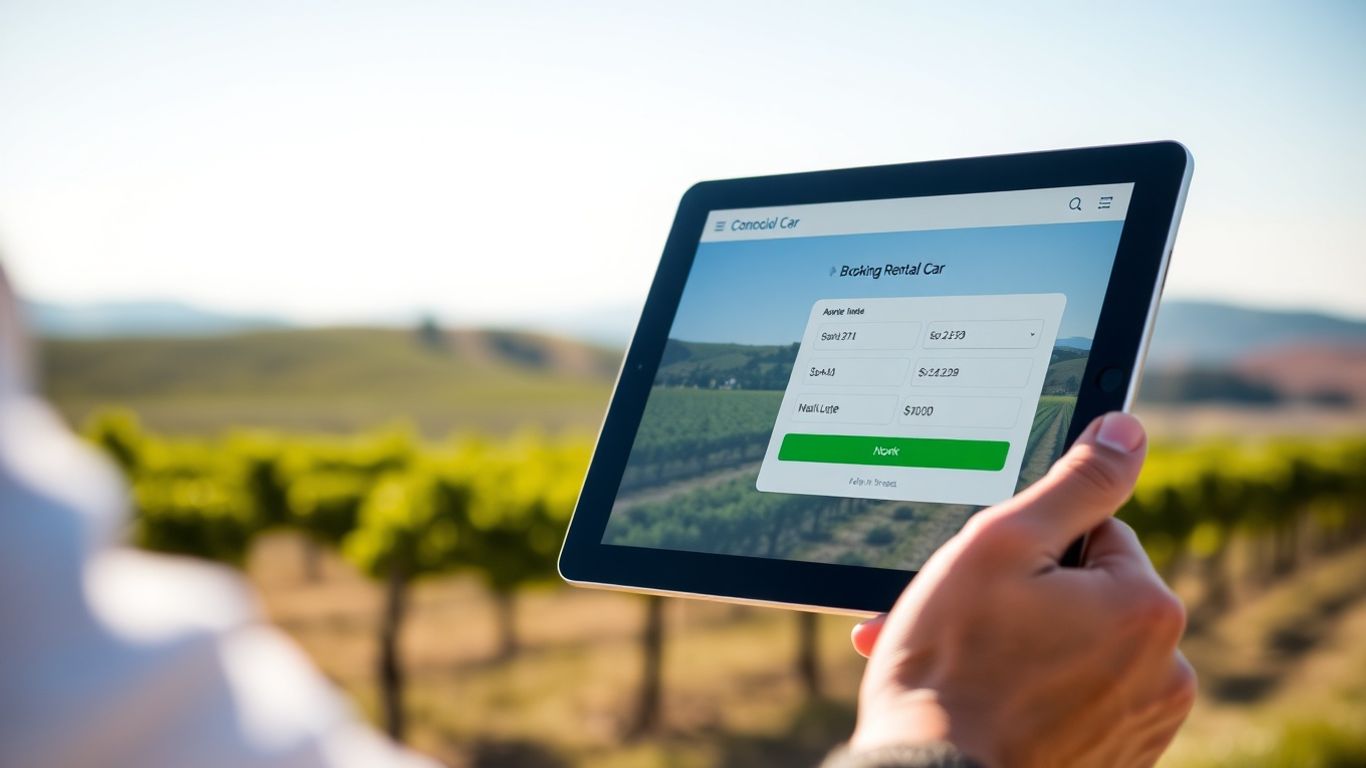
The Texas Hill Country is famous for rolling landscapes and local wineries, but it is notoriously difficult to reach without a car. Your rental provides the necessary mobility to visit state parks or small towns that public transportation simply does not reach. Venturing outside the city limits can transform a relaxing trip into an unforgettable outdoor adventure.

Comparing rental convenience with local public transit

San Antonio has a standard bus system, but coverage drops off significantly once you leave the central tourist zones. Relying on local transit often adds hours of travel time to your daily itinerary, which is precisely why owning or renting a vehicle is so common here. Renting allows you to sidestep the limitations of public transport and ensures you spend more time enjoying the sights.

How to use DiscoverCars in San Antonio

Traveler using a car rental platform

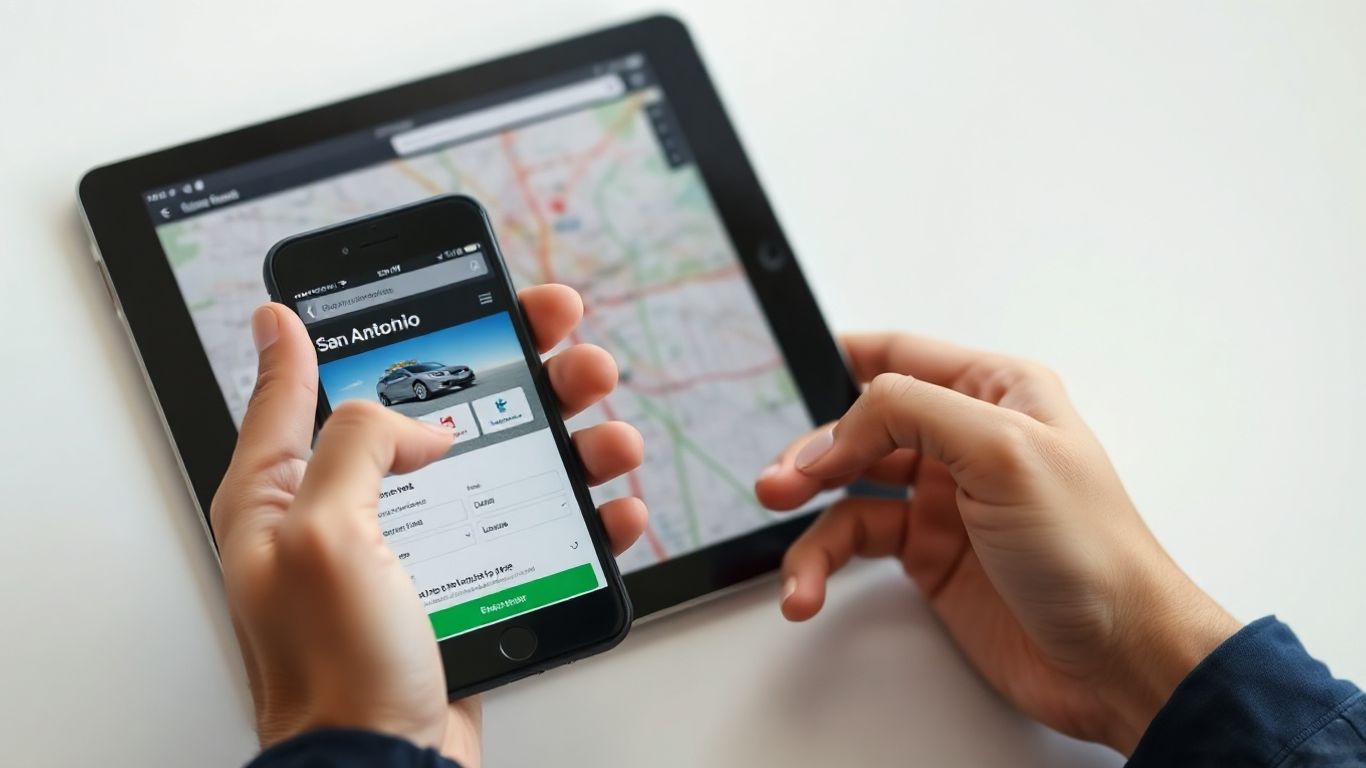
Finding the right vehicle does not have to be a stressful exercise if you use a reliable comparison tool. By using a platform like DiscoverCars.com, you can evaluate all-in pricing and avoid surprises at the counter. The service helps you compare various providers by offering a transparent look at the total cost of your potential rental.

Navigating the booking platform for competitive rates

The search interface is designed to be straightforward, showing you exactly what is included in your base rate. By simply entering your dates and destination, you can find competitive rates for exploration across the city without hidden fine print. It is the most effective way to see if there are better deals available across different local suppliers.

Filtering search results by vehicle class and rental agency

Once you begin your search, you will notice various filters that allow you to refine the results based on your specific requirements. This is particularly useful if you need a specific type of vehicle, like a spacious SUV for a family or an economy car for city driving. You can also prioritize results by the agency ratings to ensure you are selecting a highly-regarded supplier.

Managing your booking and understanding cancellation terms

Flexibility is key, especially when travel plans change unexpectedly. The platform makes it easy to modify or cancel your reservation directly through the portal, provided you adhere to the specified terms. You should always read the cancellation policy associated with your specific rate before you finalize the payment.

Top pickup locations in San Antonio

San Antonio International Airport (SAT) terminal accessibility

Most visitors choose to pick up their vehicles directly at the airport for immediate convenience upon landing. The facility is well-organized, and once you collect your luggage, finding the shuttle to the consolidated rental hub is a quick affair. It is arguably the simplest way to transition from your flight directly into a self-drive vacation.

Convenience of downtown rental office locations

For those flying into different areas or taking a bus, downtown rental offices offer a great alternative to the airport. You can often save time by picking up a car closer to your hotel rather than navigating the airport logistics again. These offices are strategically placed near major hotels and popular tourist landmarks for easy access.

Off-airport pickup options for budget-conscious travelers

Sometimes, looking for a location outside of the airport perimeter can lead to a lower price point. While it may require a short ride to the branch, you can often find better value by avoiding the airport-specific surcharges found at major transport hubs. It is a smart move if you are looking to stretch your travel budget further.

DiscoverCars.com

Understanding insurance and coverage options

Car safety and insurance documentation

Navigating insurance is arguably the most confusing part of any reservation, but it is necessary for your peace of mind. While mandatory state law only requires basic liability, standard agency policies offer much more to help protect you against potential damages or theft.

Distinguishing between mandatory and optional Texas insurance

It helps to know that the state requires basic levels of coverage to drive legally, but this does not cover the car itself should it be damaged in an accident or stolen. Most renters choose to purchase supplemental protection to avoid high out-of-pocket costs in the event of an incident. Understanding what is required versus what is optional allows you to choose the coverage level that matches your risk tolerance.

Leveraging credit card coverage versus rental agency plans

Many premium credit cards offer rental car insurance as a perk, which could save you money if you leverage it correctly. However, this coverage is often secondary to the rental company’s own plan, meaning you might still be responsible for the deductible. It is essential to check if your specific credit card provides adequate protection in Texas before declining the damage waiver offered at the counter.

Avoiding common liability pitfalls for domestic travelers

Whether you are renting in Texas or another part of the country, liability concerns remain a significant factor during your trip. We often suggest that travelers look at the following coverage table to understand what each protection category generally tends to address:

Coverage Type What it Addresses Typical Requirement
Basic Liability Damage to others Mandatory by law
Collision Damage Damage to rental car Highly recommended
Personal Accident Medical for occupants Generally optional

Following these guidelines helps ensure you don’t face unexpected billing issues later. Key steps for a smooth process:

  • Inspect the body of the car before you leave the lot.
  • Verify the fuel level matches the contract paperwork.
  • Take timestamped photos of existing scratches or dents.
  • Record the odometer reading to avoid mileage disputes.

Taking these steps before driving off is the best way to avoid liability headaches later in your journey.

Driving tips for San Antonio and Texas

Understanding local traffic patterns and toll road systems

Traffic in San Antonio can get quite heavy during the morning and afternoon rush hours, so plan your departures wisely. The city and its surroundings utilize various toll road systems that are strictly electronic, meaning you should check if your rental vehicle is equipped with a transponder. Many Texas car rental providers offer this as a paid convenience, saving you from receiving penalties if you accidentally cross a toll gate.

Parking logistics for major tourist destinations

Parking in the downtown areas can be a bit challenging, especially at popular spots like The Alamo. Look for public parking garages, as they are often more reliable than trying to find a street spot. Many hotels offer their own parking structures, so be sure to check those rates when you book your accommodation.

Navigating state highway rules and urban road networks

Texas highways are vast and often connect directly through the center of the city, which makes getting around very efficient once you are on the right path. Follow signs carefully, as urban interchanges can be complex for those unfamiliar with the area. Keeping your eyes on navigation apps can help you adjust for traffic shifts in real-time.

Seasonal rental advice for Texas travelers

Analyzing pricing fluctuations by season

Demand in San Antonio tends to spike during the spring and late summer months, which directly impacts the daily rental rates you might see online. Traveling during the off-season months might help you find significantly cheaper deals, so choose your dates carefully. Monitoring the overall market demand can help you avoid paying premium prices.

Preparing for large scale events like Fiesta San Antonio

Events such as Fiesta San Antonio draw massive crowds, which can lead to limited availability and higher rental prices across the region. If your visit coincides with any major local event, it is crucial to finalize your booking as early as possible. Waiting until the last minute during these peak times often results in limited vehicle selection.

Mitigating risks during summer travel and weather shifts

Summer in Texas can be incredibly intense, so ensure your vehicle’s air conditioning is working properly before you leave the rental lot. Occasional heavy rains can also create conditions that require extra caution on urban roads. Always ensure you are familiar with the operation of your vehicle’s safety features before beginning your trip.

Conclusion

Booking your transportation is a pivotal step in crafting your ideal Texas visit, allowing you to venture beyond the city center with confidence and ease. By using comparison tools, understanding your coverage options, and keeping seasonal demand in mind, you can secure a reliable vehicle that serves your itinerary perfectly throughout your stay in the Alamo City.

Ready to compare San Antonio rental prices?

Check live prices on DiscoverCars →

Frequently Asked Questions

What is the minimum age to rent a car in San Antonio?

Most rental companies require the primary driver to be at least 21 years old, though renters under 25 may face a daily surcharge.

Do I need an international driving permit to rent in Texas?

Visitors from many countries can use their home country’s valid driver’s license for a limited time, but holding an international permit is highly encouraged to avoid documentation issues.

Are there any hidden costs I should watch for?

Some common extras include a youth driver fee, one-way rental premiums, or optional insurance waivers, so always review your booking summary carefully for a total price.

Can I rent a car without a credit card?

Most major rental agencies in the area strictly require a major credit card in the primary driver’s name to hold a security deposit for the vehicle.

What do I do if I get into an accident?

First, ensure everyone is safe, then contact the local authorities for a police report before notifying your rental agency and insurance provider immediately.

Should I opt for the prepaid fuel option?

This is often a matter of personal convenience, but you can usually save money by returning the vehicle with a full tank of gas yourself.

Are toll roads common in the San Antonio area?

Yes, there are several regional toll roads that rely on an automated tag system, so check with your rental provider to ensure you have transponder coverage.

Disclosure: This article contains affiliate links. If you book through them, we may earn a commission at no extra cost to you. This helps support our free guides.

DiscoverCars Salt Lake City: SLC Car Rental Guide (2026)

DiscoverCars Salt Lake City: SLC Car Rental Guide (2026)

Key Takeaways

Planning a successful road trip in Utah requires careful preparation and the right vehicle choice. These points highlight the essentials for a smooth experience:

  • Book your vehicle well in advance to secure availability.
  • Research seasonal road conditions, especially during winter months.
  • Inspect your rental car thoroughly for any pre-existing damage.
  • Utilize digital tools to compare prices and finalize your booking.
  • Always review your insurance coverage before finalizing the rental.
DiscoverCars.com

Why rent a car in Salt Lake City

Driving through Utah offers unparalleled access to some of the most dramatic landscapes in the United States. Having your own transportation allows for spontaneous stops at hidden overlooks and remote trailheads that public transit simply cannot reach.

Exploring national parks and outdoor recreation

Accessing areas like DiscoverCars Utah is best managed with a private vehicle. The ability to travel between national parks on your own schedule makes for a far more rewarding experience than waiting for scheduled shuttles or tour groups.

Necessity of flexible transportation in Utah

Public transit is largely nonexistent in the remote stretches of Utah, making a personal vehicle an absolute necessity. Whether you are heading to the mountains or the desert, having the right rental vehicle ensures you remain on schedule and comfortable throughout the journey.

Seasonal travel patterns and rental demand

Tourism peaks during summer and the height of ski season, which significantly impacts pricing. Travelers should look for options to rent a rental car during shoulder months to often find lower daily rates and thinner crowds at popular attractions.

Booking with DiscoverCars in Salt Lake City

Travelers arriving at Salt Lake City airport

Finding a reliable rental is simplified when you use a centralized comparison tool. DiscoverCars acts as a helpful platform where you can filter by price, vehicle size, and agency reputation, ensuring you make an informed decision for your upcoming Utah trip.

Navigating the DiscoverCars search interface

The interface is designed to provide clear, upfront information regarding costs and rental policies. Users can adjust parameters for pickup times and drop-off locations, helping to avoid surprises at the counter later on.

Comparing local rental agencies versus major brands

Deciding between a global franchise and a local agency involves weighing price against convenience and roadside support. DiscoverCars allows you to compare these side-by-side to see which fits your budget and service expectations for your trip.

Securing the best rates during peak seasons

Booking early remains the most effective strategy for managing costs when demand spikes. Using the DiscoverCars platform early allows you to lock in pricing before the limited supply of popular vehicle classes is fully depleted by vacationers.

Understanding the SLC airport pickup process

Locating the consolidated rental car center

The SLC airport rental center is housed within a modern facility that streamlines the collection process. Travelers will find most major brands situated in a central hub that is relatively easy to reach from the main terminals via designated walkways.

Managing shuttle versus walking distance pick-ups

While most large brands offer desk space within the consolidated center, some secondary agencies operate from sites requiring a shuttle ride. It is wise to verify whether your specific rental car provider requires a shuttle transfer before you land.

Handling arrivals outside of standard business hours

Night arrivals can occasionally pose a challenge if your provider has limited operating hours. Always confirm the after-hours drop-off or key-box procedures ahead of time to avoid being stranded without your vehicle upon arrival.

DiscoverCars.com

Navigating Salt Lake City and surrounding terrain

Snowy mountain road in Utah valley

Driving in Utah changes significantly as you leave the city and move into the higher elevations. Understanding the local geography is crucial for both safety and time management when traveling through the diverse terrain surrounding the capital.

Dealing with mountain road driving requirements

Mountain roads demand attentive driving, as grades can be steep and winding. Keeping a safe following distance and using low gears helps maintain vehicle control during steep descents, while staying aware of weather-sensitive road passages is recommended.

Understanding toll roads and high-occupancy lanes

While Utah has fewer toll requirements than other major metro hubs, certain express lanes and toll sections operate along major corridors. Being aware of these rules helps you decide if it is cost-effective to opt into electronic toll payment services offered by your rental agency.

Parking tips for downtown Salt Lake City

Downtown parking involves understanding various municipal lots and street limitations. To make your trip easier, consider this quick reference guide for common parking scenarios within the city limits.

Parking Option Typical Cost Best For
Street Meter Low Quick errands
Covered Garage Moderate Full day visits
Hotel Parking High Overnight stays

Navigating downtown is straightforward once you have identified your parking strategy, which allows you to spend more time exploring rather than searching for a space.

Essential tips for winter driving in Utah

Mandatory tire regulations and traction requirements

Winter conditions in the canyons can change in an instant, often triggering mandatory traction laws. It is essential to ensure your vehicle is equipped to handle snow and ice to keep yourself and other motorists safe.

Choosing a vehicle suitable for snowy conditions

Selecting an All-Wheel Drive vehicle is a common preference for winter exploration in the Wasatch range. These vehicles offer improved grip on slick roads, though drivers should maintain cautious speeds regardless of their car’s drivetrain.

Monitoring real-time road closures via UDOT

Staying informed is the best defense against being stuck behind traffic delays caused by avalanches or heavy snow. Checking official road updates will help you adjust your itinerary to avoid major delays during storm events.

Evaluating insurance and protection plans

Distinguishing between basic and full coverage options

Basic coverage typically handles the minimum legal financial requirements, while full coverage may protect against a much broader range of incidents. Always review the policy details to ensure you have the level of protection that matches your personal risk tolerance.

Verifying existing credit card rental protection

Many premium credit cards offer secondary or primary rental protection that can save you money at the counter. Contact your card provider before your trip to understand the exact scope of this coverage and how to invoke it if necessary.

Understanding deductible amounts and deposit holds

Security deposits are a standard industry practice, acting as a hold on your card for potential issues. The following list identifies key factors to consider before you hand over your payment method at the rental desk:

  • Confirm your deposit amount is released promptly after return.
  • Understand the financial penalty of a high insurance deductible.
  • Check whether the agency requires a credit card versus a debit card.
  • Clarify if any extra fees are charged for additional authorized drivers.

Managing your deposit correctly prevents unnecessary stress and ensures your budget remains intact throughout your vacation.

Avoiding common car rental pitfalls

Inspecting your rental vehicle for pre-existing damage

Before exiting the lot, you should walk around the vehicle and document any scratches or dents with photos or video. This simple habit protects you from being held liable for existing issues that were already present when you received the keys.

Calculating potential costs for fuel and tolls

Fuel and toll charges can add substantial amounts to the final bill if you fail to estimate them properly. Budgeting for these additional expenses helps you maintain control over the total cost of your travel.

Reviewing mileage policies for long-distance trips

If you plan on driving extensive distances between parks, check for mileage caps in your rental agreement. Staying within these limits avoids steep per-mile surcharges, ensuring your trip budget remains predictable from start to finish.

Conclusion

Securing the right rental transportation for your stay in Salt Lake City transforms your journey from a simple visit into an expansive adventure through Utah’s stunning wilderness. By following these practical steps—from comparing agencies online to checking your insurance status and inspecting your vehicle—you ensure a trip that is defined by freedom rather than logistics. Planning ahead really is the key to fully enjoying every mile of your desert or mountain excursion.

Ready to compare Salt Lake City rental prices?

Check live prices on DiscoverCars →

Frequently Asked Questions

Is it possible to find cheap car rentals in Salt Lake City year-round?

Yes, prices shift according to peak travel seasons, with winter and summer generally reflecting the highest demand. You can often find significant savings by booking during shoulder months or searching across multiple providers to secure a cheap car rentals deal.

Do I need a specific type of car to visit Zion or other national parks?

A standard sedan is perfectly capable of handling the main paved roads leading into Utah’s national parks. An SUV is only necessary if your personal itinerary involves rugged, unpaved backcountry trails.

What documentation do I need to pick up a rental car?

You must provide a valid driver’s license in your name, a credit card for the security hold, and proof of your reservation. Depending on your status as an international traveler, you might also need to present your passport.

Can I return my rental car to a different city?

Many rental agencies permit one-way rentals, though this often incurs an additional drop-off fee. It is best to arrange this at the time of booking to ensure the agency has authorized the change in location.

Are there age restrictions for renting a car in Salt Lake City?

Most agencies require renters to be at least 21 years old, but those under 25 often face additional daily surcharges. Always check the specific age policy of the rental company you select through your booking platform.

Should I opt for the rental agency’s insurance coverage?

Deciding whether to take the agency’s insurance depends entirely on your existing personal insurance or the coverage provided by your credit card. If you are uncertain about the extent of your current protection, purchasing the agency policy provides peace of mind against unforeseen costs.

How long should I allow for returning a rental vehicle before my flight?

It is recommended to arrive at the rental car return facility at least two hours before your flight departure. This allows enough time to process the vehicle check-in, handle any paperwork, and take the walk or shuttle back to your terminal.

Disclosure: This article contains affiliate links. If you book through them, we may earn a commission at no extra cost to you. This helps support our free guides.

DiscoverCars Charleston: Charleston SC Car Rental Guide

DiscoverCars Charleston: Charleston SC Car Rental Guide

Key Takeaways

Planning your visit to South Carolina’s historic coastal city is easier when you have reliable transportation. This guide provides essential insights for your upcoming trip.

  • Visit during the late autumn months for better weather and lower rental demand.
  • Renting a car provides the freedom to explore beyond the historic district.
  • Compare prices across multiple providers to ensure you find the best value.
  • Parking in downtown Charleston requires planning, as street spots fill quickly.
  • Review your insurance coverage and fuel policies carefully before finalizing your rental.
DiscoverCars.com

Understanding the Charleston SC car rental landscape

Visitors to Charleston often discover that the city is best explored with a vehicle of their own. While the heart of the city is pedestrian-friendly, the surrounding coastal islands and historical plantations are spread out, making a personal vehicle an asset for any itinerary.

Peak tourism seasons and rental demand

Charleston experiences high demand during the spring and fall seasons when the weather is mild. You will likely find that availability is tighter and prices are higher if you wait until the last minute to book. Planning your trip for the off-peak winter months can result in significant savings on your total costs.

Airport versus downtown rental locations

Choosing between the airport and city locations depends on your immediate travel plans upon arrival. Picking up your ride at the airport often provides a wider selection of vehicles, while downtown locations allow you to arrive via taxi or shuttle for the first leg of your trip. Consider which logistics work better for your specific timeline.

Typical price ranges for visitors

Rental prices fluctuate based on the time of year and the type of category you choose. Travelers should be prepared for varying rates when looking at the Charleston car rental landscape, as demand-based pricing is the standard. Keeping an eye on these trends allows you to budget effectively for your coastal getaway.

Why use DiscoverCars for your Charleston trip

Historic carriage in Charleston

Finding the right vehicle for a trip requires comparing multiple options to ensure you get the best deal. Many travelers turn to DiscoverCars for their booking needs because the platform aggregates offers from a wide variety of suppliers in one clear interface. This level of clarity helps you avoid unnecessary surprises when arriving at the rental counter.

Comparing prices across major rental agencies

Accessing a comprehensive view of pricing is vital when you want to maximize your travel budget. By using the comparison features available through DiscoverCars, you can see how different agencies price their inventory for your specific dates. This prevents you from overpaying for a vehicle that might be listed for a lower price elsewhere.

Transparent fee disclosures and cancellation policies

Understanding the actual cost of a rental before confirming is a common goal for savvy travelers. Transparency is a cornerstone of the service provided by DiscoverCars, as it displays upfront fee breakdowns to avoid hidden charges. Having a clear picture of the full rental cost ensures you can plan your expenses with confidence.

User-friendly booking and confirmation features

Managing your reservation from start to finish should be a stress-free experience during your travels. The platform offers a user-friendly interface that simplifies the entire booking process from initial search to final confirmation. Once you have secured your vehicle, storing all your documents in one place makes for a seamless departure.

Logistics of pickup and drop-off in Charleston

Navigating the logistics of your arrival is a key component of a successful road trip. Whether you are arriving by plane or train, understanding your pickup options will help you start your journey without delays. Having a plan in place ensures that your transit from the arrival point to your rental car is efficient and straightforward.

Renting at Charleston International Airport (CHS)

Most travelers choose the airport for the greatest convenience when arriving by air. The rental car center is well-integrated with the terminal building, allowing for a smooth transition from baggage claim to the driver’s seat. Ensure your flight details are entered correctly at booking to allow for easier processing by the agency.

Utilizing downtown and urban pick-up points

If you prefer to spend your first day exploring on foot, a downtown location might be the better choice. Urban locations allow you to enjoy the city center before picking up your vehicle later in your trip. Research hours of operation carefully, as neighborhood branches may have different schedules than airport locations.

Options for one-way rentals within South Carolina

One-way rentals offer great flexibility if you plan to visit multiple cities across the state. Using this service, you might pick up your vehicle in Charleston and drop it off at a different location depending on your final destination. Consider the following logistics options during your planning:

  1. Airport-to-airport transfers across state hubs
  2. City center to airport drop-off configurations
  3. Local branch pickup for short-term regional trips

These options provide the mobility needed to build a custom travel plan that matches your specific sights and schedule.

DiscoverCars.com

Navigating Charleston with a rental car

Charleston historic street view

Driving through the historic downtown area requires a bit of patience and awareness of the local layout. While the streets are beautiful, they can also be narrow and busy during the peak parts of the day. A bit of preparation will help you stay relaxed behind the wheel as you explore the city’s many sights.

Managing historic district traffic and one-way streets

Traffic in the historic district can grow heavy during the mid-day hours when pedestrian activity is at its highest. You will encounter several one-way streets that are part of the original planning of the colonial layout. It is wise to have a reliable navigation tool active so you can adjust to these routes without frustration.

Finding public parking in Downtown Charleston

Securing a safe spot for your vehicle is a regular concern for those visiting the busy city center. While the following table identifies common options, always be sure to check local signs for parking restrictions and time limits before you step away from your car.

Parking Option Primary Location Accessibility Level
Municipal Garages Market Street Area High Availability
On-street Metered Battery District Limited Capacity
Private Lots Near King Street Variable Rates

Using these parking facilities is a sensible way to keep your vehicle secure while you explore the shops and restaurants on foot. Always check the proximity of the lot to your planned activities to save time.

Driving to nearby attractions like Folly Beach and Kiawah Island

Exploring beyond the city limits is one of the most rewarding aspects of renting a car. The drive to the coast is scenic and offers a refreshing change of pace compared to the urban atmosphere of the downtown core. Enjoying the drive at your own speed is the benefit of having total control over your schedule.

Selecting the right vehicle size and type

Choosing the correct vehicle ensures you are comfortable throughout your entire southern stay. Consider the size of your group and the volume of your luggage when making your decision, as coastal trips often involve gear for the beach. Selecting the right class of car is a balance between maneuverability and required interior space.

Choosing compact cars for tight city streets

Compact vehicles are an excellent choice for navigating narrow historic streets and squeezing into difficult parking spots. These models are generally more efficient, helping you save on fuel during your stay. They are perfect for solo travelers or couples who prioritize ease of movement over interior storage space.

Opting for SUVs for family road trips and beach gear

Larger vehicles provide the necessary room for families traveling with coolers, sporting goods, and extra luggage. If your itinerary involves frequent excursions to the coast, an SUV provides the extra cargo capacity that compact cars cannot match. Having this added space ensures everyone remains comfortable during longer periods on the road.

Fuel efficiency considerations for longer coastal stays

Longer trips across South Carolina mean that you will spend more time behind the wheel than a local resident would. Paying attention to the fuel efficiency of your chosen car category is a practical way to manage your overall travel expenses. Many agencies now offer hybrid or economy models that are well-suited for extended coastal exploration.

Protecting your rental with insurance and policy coverage

Understanding the various insurance options lets you travel with peace of mind. South Carolina has its own set of requirements for drivers, so it is important to be aware of what is needed before you arrive. Reviewing your existing policies can help you determine if you already have sufficient coverage for your rental period.

Understanding third-party liability requirements in South Carolina

Drivers are required to carry a base level of liability insurance to operate a vehicle legally. Rental companies will typically provide documentation or options to satisfy this requirement during the check-in process. Always ensure your rental agreement confirms the level of coverage included for your trip.

Evaluating collision damage waiver options through DiscoverCars

When booking your vehicle, you might consider additional protection to cover potential damages to the car. Using the DiscoverCars.com platform allows you to evaluate different coverage choices clearly before you reach the rental counter. This transparency helps you avoid being pressured into purchasing products that you may already be covered for through other means.

Reading the fine print for fuel and mileage policies

Every rental contract comes with specific policies regarding fuel returns and maximum mileage limits. Reading these conditions through the portal provided by DiscoverCars is a proactive way to avoid surprises at the end of your trip. Staying informed about these small details allows you to focus on your vacation rather than the paperwork.

Conclusion

Planning your Charleston trip with a rental car provides the freedom to see every corner of the lowcountry at your own pace. By utilizing transparent booking tools to compare your options, you can secure the right vehicle while keeping your budget intact. Whether you spend your days on the beach or roaming historic cobblestone streets, having a reliable car will ensure you make the most of every moment during your visit.

Ready to compare Charleston rental prices?

Check live prices on DiscoverCars →

Frequently Asked Questions

Is it necessary to have a car in Charleston?

While the downtown core is walkable, having a car is highly recommended for visiting plantations, beaches, and other regional attractions located outside the city center. It grants you the flexibility to explore on your own schedule instead of relying on public transit or rideshare services.

What documentation is required to rent a car?

Typically, you will need a valid driver’s license from your home country, a major credit card in the primary driver’s name, and proof of insurance or an internationally recognized insurance waiver. It is always a good idea to confirm specific requirements with your rental agency well before your arrival date.

Are there age restrictions for renting a vehicle?

Most rental agencies require the primary driver to be at least 25 years old to avoid young driver surcharges. Some companies will rent to drivers between 21 and 24, but these rentals often come with additional daily fees and specific vehicle limitations.

How does the fuel policy usually work?

Most rentals operate on a full-to-full policy, which means you receive the car with a full tank and must return it with the same level of fuel. If you return the vehicle with less fuel, the agency will charge a premium fee for them to refuel it for you.

What are some tips for parking in the historic district?

Look for marked municipal parking garages, as they offer the most consistent pricing and availability compared to street parking. Arriving at your destinations earlier in the day often makes finding a spot much easier, as downtown areas can become very crowded during the peak afternoon hours.

Should I purchase additional insurance at the counter?

If you have already arranged coverage through your credit card provider or a third-party policy, you might not need to buy extra options at the counter. Review your personal insurance documents before you travel to understand what is already covered and what gaps you might want to fill with extra protection.

Are there any hidden fees to watch out for?

Common fees that can catch travelers off guard include tolls, late return surcharges, and charges for additional drivers. Always read your specific rental agreement carefully and ask the agent to clarify any line items you do not understand before you sign the contract.

Disclosure: This article contains affiliate links. If you book through them, we may earn a commission at no extra cost to you. This helps support our free guides.

DiscoverCars New Orleans: New Orleans Car Rental Guide

DiscoverCars New Orleans: New Orleans Car Rental Guide

Key Takeaways

To ensure your trip to the Big Easy is as smooth as possible, it helps to understand local rental conventions before you arrive. This guide simplifies the process to keep your plans on track.

  • Book your vehicle in advance to secure the best rates.
  • Familiarize yourself with airport versus city pickup locations.
  • Verify all documentation requirements including age and insurance.
  • Plan for seasonal demand, especially during festival months.
  • Keep your rental agency contact information handy for emergencies.
DiscoverCars.com

Getting started with DiscoverCars in New Orleans

How to navigate the platform for local searches

When planning a trip, finding a reliable vehicle is often the first logistical step. You can use the meta-search engine to filter through available options based on your specific requirements rather than manually checking dozens of websites. By entering your dates and pickup location, you gain access to a clear view of inventory, which is helpful for comparing prices objectively.

Benefits of using DiscoverCars for regional pricing

Comparing options through a dedicated aggregator helps travelers spot price variations that might otherwise stay hidden. DiscoverCars displays the all-in price before you commit, which prevents the frustration of seeing sudden jumps in costs at the final booking screen. This transparency allows you to budget your New Orleans journey accurately without unexpected surcharges for local taxes or airport fees.

Understanding the booking process from selection to confirmation

Once you have selected your ideal car, the final steps are straightforward and designed for simplicity. After finalizing your details, the confirmation email serves as your primary reference for pickup. Make sure to review the included rental terms, as these often outline the specific deposit requirements and fuel policies that will govern your rental period.

Rental locations in New Orleans

rental agency desk at MSY airport

Picking up your vehicle at MSY airport

Most travelers landing at Louis Armstrong New Orleans International Airport find the centralized facility convenient for ground transportation. The rental center is accessible via a short shuttle service from the main terminal, ensuring you can pick up your keys without navigating complex city transit immediately upon arrival. Having your transport ready at the airport streamlines the arrival process for anyone with heavy luggage.

Downtown and French Quarter rental options

For those who prefer to spend a few days walking or using public transport before grabbing a vehicle, neighborhood branches offer a great alternative. Choosing an off-airport location can sometimes provide greater flexibility if your travel schedule involves staying in the city center for a while. You might find that picking up your car after a few days of local exploration is more efficient given the limited parking in historic areas.

Comparing neighborhood versus airport prices

Deciding where to pick up your car involves weighing convenience against potential cost savings. Many agencies update their rates dynamically based on demand at specific branches. Check the table below to understand how different sites typically compare for travelers.

Location Type Pros Cons
Airport (MSY) Wide selection Higher daily taxes
Downtown Close to hotels Fewer late-night hours
Suburban Lower baseline rates Requires a commute

It is often worth checking both airport and city-center quotes to ensure you are finding the best deal for your specific rental window.

Essential requirements for renting a car in Louisiana

Driver requirements and age restrictions

Most agencies in Louisiana require you to be at least 21 years old to rent a vehicle. If you are under 25, be prepared to pay a young driver surcharge in addition to the standard rental cost. Always verify if the specific company you choose has higher age minimums for premium or specialty vehicle classes.

Necessary documentation and identification

To move through the pickup process quickly, ensure you have a valid driver’s license that has been held for at least one year. International travelers should also carry a passport and, in some cases, an International Driving Permit. Keeping your physical documents in a secure folder avoids potential delays at the service desk.

Credit card and deposit policies

Rental companies require a security deposit to cover potential damages or fuel discrepancies. A credit card in the main driver’s name is generally mandatory, even if you intend to pay the final balance with another method. Be aware that this hold acts as a temporary reduction in your available credit throughout the trip.

DiscoverCars.com

Navigating New Orleans by car

Car driving through New Orleans Garden District

Parking tips for the French Quarter and surrounding areas

Parking in the historic district can be quite challenging, so it is often better to leave your car in a secure garage. Look for established parking lots rather than searching for limited street spots, especially around Bourbon Street. Using a parking app can help you identify open spaces nearby if you need to make a quick stop near local attractions.

Managing traffic and common congestion patterns

Traffic, particularly during rush hour, can be heavy on major corridors like I-10. If you are planning to travel between neighborhoods, allow extra cushion for your arrival times. Locals often suggest finding alternative routes, which can be useful if you are trying to avoid busy intersections.

Safety considerations for tourists driving in the city

When exploring, follow basic safety precautions such as locking your vehicle and keeping valuables out of sight. Remember that New Orleans is a pedestrian-heavy city, so keep a close watch at intersections. Being mindful of your surroundings makes navigating the city much more comfortable for visitors relying on their SunDrive travel insights.

Insurance and protection plans

Evaluating the rental company’s coverage options

Before you reach the counter, check the basic insurance included in your quote. Most rentals feature a standard loss damage waiver, but this may exclude specific parts of the car. Understanding exactly what is covered prevents confusion if an incident occurs while you are exploring the Gulf Coast.

Understanding DiscoverCars full coverage add-ons

Many travelers opt for added protection to enjoy total peace of mind during their trip. These packages often cover items like glass, tires, and undercarriage, which are otherwise excluded from standard policies. Adding coverage externally can simplify the settlement process should any minor dings occur.

Checking your personal credit card insurance benefits

It is wise to verify whether your personal credit card provider offers rental car coverage before purchasing secondary insurance. If they do, confirm that the coverage applies to the specific type of car you are renting in Louisiana. Always carry a digital or printed copy of your benefits documentation just in case the agency asks for proof of coverage.

Seasonal travel tips for New Orleans

Renting during Mardi Gras and peak festival seasons

Festivals bring large crowds to the city, making inventory levels fluctuate rapidly. During these times, you will encounter higher demand, which drives prices up and limits the variety of available vehicle types. Travelers visiting during peak periods should secure their transport as early as possible.

Driving conditions during summer humidity and storm season

Summer in Louisiana is characterized by high heat and frequent heavy rainfall. Ensure your vehicle has functional air conditioning and wipers before leaving the rental lot. Watching for standing water after a downpour is crucial to protect both yourself and the rental car from engine damage.

Booking ahead for high-demand event dates

For major holidays, the earlier you finalize your booking, the better your options will be. Planning your transport weeks in advance prevents the need to settle for more expensive or less suitable vehicles. Having a reservation locked in allows you to focus on exploring great road trips without the stress of last-minute logistics.

Returning your rental vehicle

Procedures for airport return drop-off

Returning your car to the airport is typically a sign-off process where an agent inspects the exterior and checks fuel levels. Follow the designated signage for rental returns to find the drop-off zone. Giving yourself an extra thirty minutes before your flight departure ensures you have plenty of time to clear the return center and catch your shuttle.

Refueling policies and cost considerations

Most agreements necessitate returning the vehicle with the same amount of fuel it had at checkout. If you do not have time to find a gas station, the company will charge a premium fee for the service. Plan your route to pass a gas station near the airport to avoid these extra costs.

Final inspection and checking for forgotten items

Take a few moments before walking away to double-check the trunk, door pockets, and backseat for personal items. Taking a quick photo of the vehicle after you have emptied it provides proof of condition in case of any later disputes. This simple habit keeps your return experience hassle-free.

Conclusion

Navigating New Orleans with your own vehicle offers the freedom to experience the city and the surrounding bayous at your own pace. By utilizing clear comparison tools and understanding the essential requirements, you can bypass common rental pitfalls and enjoy your stay. Whether you are coming for the world-class jazz, the incredible cuisine, or the beautiful architecture, being prepared ensures your transportation is one less thing to worry about. Stick to the tips provided to keep your budget intact and your journey through the South seamless and memorable.

Ready to compare New Orleans rental prices?

Check live prices on DiscoverCars →

Frequently Asked Questions

Do I need an international driving permit to rent in New Orleans?

If your domestic license is in English, you typically do not need an international permit, though carrying one is helpful backup just in case.

Can I rent a car if I am under 21?

Most rental agencies in New Orleans have a minimum age policy starting at 21, so finding options for drivers younger than that is often difficult.

Are there any tolls I need to be aware of when driving in Louisiana?

While there are some toll bridges and causeways, many are cashless, so checking your rental company’s toll policy before you drive is highly recommended.

Is it easier to rent at the airport or downtown?

Airport locations provide the widest selection and easier access to highways, while downtown locations are better for travelers who are staying in the city first.

What happens if I return the car late?

Late returns often result in a daily penalty rate or additional fees, so it is safer to notify the rental agency well before your scheduled time.

Is full insurance necessary for a city trip?

It is certainly not required, but it provides valuable protection against unexpected repair costs or damages that standard minimal policies might not cover.

Do I have to return the car with a full tank of gas?

Most agents demand that you return the vehicle at the same fuel level indicated on your agreement, which is usually a full tank to avoid refueling penalties.

Disclosure: This article contains affiliate links. If you book through them, we may earn a commission at no extra cost to you. This helps support our free guides.

DiscoverCars Napa Valley: Napa Car Rental Guide (2026)

DiscoverCars Napa Valley: Napa Car Rental Guide (2026)

Key Takeaways

Planning your visit to California’s premier wine destination requires careful logistical preparation to ensure a smooth trip. These points summarize how to best manage your transportation needs in 2026.

  • Rented vehicles provide the flexibility required for touring remote vineyard estates.
  • Choose between major airport hubs or local Napa offices for your pickup location.
  • Always review insurance coverage and minimum age requirements before finalizing a booking.
  • Utilizing comparison platforms streamlines the process of finding the best all-in rates.
  • Booking ahead is essential for 2026 to ensure vehicle availability during peak harvest months.
DiscoverCars.com

Why you need a rental car in Napa Valley

Napa Valley remains a sprawling region where distances between individual estates are too great for walking. While the area is famous for luxury, the lack of a comprehensive regional transit system leaves many travelers stranded if they rely solely on ride-sharing or shuttles.

Limitations of public transportation in wine country

Public buses in the valley primarily serve local residents commuting within town centers like Napa or St. Helena. These systems rarely stop at private vineyards or rural tasting rooms, forcing tourists to rely on costly private car services or expensive local taxi companies, which are often unavailable during late hours.

Convenience of visiting multiple vineyard locations

Driving your own vehicle grants you the liberty to schedule visits at your preferred pace. You can group your appointments by proximity, spending an extra hour at a scenic cellar door without worrying about a driver waiting on a strict clock, or you can pivot your itinerary if you discover a hidden gem during your afternoon drive.

Accessing off-the-beaten-path destinations and viewpoints

Many of the most breathtaking views in the valley are situated on steep, narrow roads that shuttle services avoid due to difficult navigation. Having a dedicated vehicle allows you to explore the higher elevations of the Vaca or Mayacamas mountain ranges, where panoramic vistas of the valley floor wait for those with their own transport.

Flexibility for rural sightseeing and dining schedules

Rural dining options are often tucked away in small towns that are miles apart, meaning a scheduled departure is risky if you want to enjoy a leisurely dinner. A car ensures you can transition effortlessly from a morning hike to a long lunch and eventually back to your hotel without needing to sync up with complex ride-service app wait times.

Where to pick up your Napa Valley rental car

Napa valley rental options

Choosing the right pickup location depends on your total budget and willingness to drive for an hour or more before your wine tour starts. Many travelers find that arriving at an airport provides more carrier options, though local offices offer a more relaxed pace.

Renting at San Francisco or Oakland international airports

Major airports like San Francisco and Oakland offer the widest selection of vehicle types, ranging from economy sedans to luxury SUVs. These locations also frequently provide the most competitive pricing, as the intense competition between global rental firms keeps costs lower compared to boutique local branches.

Choosing local rental offices within Napa city limits

Picking up in the city of Napa lets you skip the scenic but long drive from the Bay Area, which can be grueling after a flight. Agencies like Auto Europe often maintain a smaller but highly convenient footprint within the valley itself, perfect for those arriving by bus or train.

Pros and cons of airport versus local rental pickups

Understanding the trade-offs between these two strategies is essential for your travel budget. Consider the following comparison when deciding where to finalize your arrangements.

Location Option Cost Effectiveness Convenience Level Vehicle Selection
Airport Hub High Moderate Wide Range
Napa City Branch Moderate High Limited Stocks
Regional Transit Low Low Specialty Only

Selecting an airport pickup often saves money on the total booking cost per day, while local pickups significantly reduce travel fatigue immediately upon landing.

Coordinating travel time from major regional transit hubs

If you arrive by train or luxury coach, factor in an extra hour of transit time to reach the specific rental office branch in town. Always confirm the branch hours, as local offices often close earlier in the evening than massive airport rental centers.

Understanding rental requirements and insurance

Rental policies can feel overwhelming, but they primarily focus on ensuring the safety of the driver and the protection of the vehicle. Meeting these basic requirements before you travel prevents delays at the counter during your arrival.

Minimum age policies and young driver fees

Most agencies require drivers to be at least 25 years old to avoid substantial daily surcharges. Drivers between 21 and 24 may still secure a rental, but they should expect significant added fees that should be factored into the total trip budget.

Essential insurance coverage for winery region travel

Driving on narrow, winding mountain roads necessitates robust protection. Having collision damage waiver coverage is highly recommended to mitigate the costs of minor accidents, such as paint scrapes from overgrown bushes or narrow parking collisions.

Documentation required at the rental car counter

Always bring a valid government-issued driver’s license, a secondary form of identification like a passport, and the original payment card used for the reservation. Digital records are helpful, but paper copies of your booking confirmation are safer in areas with fluctuating mobile service.

Credit card versus debit card payment policies

Rental agencies prefer credit cards for security deposits, as debit cards may trigger extensive credit checks or require significantly larger hold amounts on your account. Review the specific agency policy on your booking voucher to avoid being turned away because of insufficient funds on a debit card.

DiscoverCars.com

How to optimize your booking with DiscoverCars

Comparing rental deals

Finding the right vehicle requires filtering through dozens of suppliers, which is where DiscoverCars becomes a reliable partner for your travel planning. This platform streamlines comparisons to ensure you find an all-in price that suits your requirements.

Comparing rates across major international and local providers

By checking prices across multiple vendors simultaneously, you gain the transparency needed to spot hidden fees easily. This comprehensive approach allows you to see the true cost of your rental upfront without needing to jump between five different websites.

Filtering vehicle categories for comfort and trunk space

When planning a wine trip, trunk space is a critical factor, as you will likely have several cases of local wine to transport back to your hotel. You can filter by vehicle class on the platform to ensure a crossover or SUV is selected, which provides the necessary clearance and storage capacity.

Utilizing platform user reviews to identify reliable agencies

Always look at honest customer feedback provided on the booking portal. These reviews highlight recurring issues like long wait times or vehicle maintenance quality, helping you choose an agency with a reputation for excellent service rather than just the lowest daily rate.

Managing your reservation and cancellation policies

Life happens, and travel plans often change unexpectedly. Using an intuitive booking system allows you to manage or cancel your reservation with a few clicks, provided you adhere to the window outlined in your initial confirmation terms.

Navigating Napa safely and efficiently

Driving through the countryside is a relaxing experience, provided you have a solid plan and adhere to local rules. Always keep in mind that vineyard roads are public paths, not private tracks.

Best navigation apps for rural vineyard routes

Reliability is key when traversing backroads where cell service might drop. Here are the most effective mobile tools for keeping your trip on track:

  • Google Maps for real-time traffic updates near popular tourist junctions.
  • Waze for precise alerts regarding speed traps or road construction ahead.
  • Apple Maps which now provides integrated offline routing for low-connectivity zones.
  • Gaia GPS if you plan on exploring deep mountain logging roads or trailheads.

These navigation aids ensure you arrive at your tastings on time while safely avoiding the biggest traffic snarls during peak weekend hours.

Parking strategies at popular wineries and hotels

Popular vineyards fill their lots quickly by 11:00 AM on Saturdays. Plan to visit the most famous locations during the weekdays or during the first appointment of the morning to avoid the stress of searching for a spot.

Important reminder regarding zero-tolerance for DUI

California enforces a strict zero-tolerance policy for driving under the influence of alcohol. Plan your tastings effectively by designating a sober driver or hiring a professional transportation service for days where you plan to sample extensively at multiple estates.

Managing fuel economy on mountainous winding roads

Frequent braking and acceleration on steep hills will consume more gas than highway driving. Regularly check your fuel level, especially when heading out toward the Silverado Trail, where service stations are less frequent than in the heart of downtown.

Seasonal driving tips and 2026 travel trends

Planning your logistics around the seasons ensures you are not caught off guard by changing weather or traffic patterns. Those who secure your vehicle early will avoid the sudden surges in cost typical during the busy harvest season.

Navigating peak traffic during harvest season

Harvest season in late summer and autumn brings heavy traffic to the main highways through the valley. Expect longer commute times between towns, and adjust your arrival windows at wineries to compensate for potential road work or tractor crossings.

Preparing for potential winter road conditions

Winter in Northern California can bring heavy fog and occasional rain that makes winding mountain roads slippery. Always keep your headlights on in limited visibility and ensure your vehicle is equipped with working wipers and good tires.

Budgeting for fluctuations in peak season pricing

Prices can skyrocket when major events occur or during the height of the autumn harvest. Monitor rental rates in the months leading up to your trip, and be prepared to pay a premium if you decide to visit during these high-interest periods.

Why booking in advance is essential for 2026 travel

For 2026, industry trends suggest that demand will frequently outpace supply for desirable car models in smaller regions like Napa. By committing your logistics through a solid provider, you guarantee availability and lock in your price well ahead of the seasonal spikes.

Conclusion

Exploring this beautiful region is simple when you have a car tailored to your specific needs. From choosing your rental location to navigating the winding roads with help from digital tools, proper planning makes all the difference. Using a platform like DiscoverCars ensures you can compare all-in prices efficiently, allowing you to focus on the world-class wines and scenery waiting for you in the valley.

Ready to compare Napa Valley rental prices?

Check live prices on DiscoverCars →

Frequently Asked Questions

Can I rent a luxury vehicle for my Napa trip?

Yes, many rental providers offer premium and luxury models. It is recommended to filter your search by vehicle class to ensure availability during peak travel months.

Are there specific documents I must present to pick up a car?

You must provide a valid driver’s license from your home country, a secondary form of personal identification such as a passport, and the credit or debit card used for your reservation.

What should I do if I have a breakdown in a remote vineyard area?

If you experience a breakdown, contact the roadside assistance number provided by your rental agency immediately. Always stay with your vehicle while waiting for help if you are in a safe location away from traffic.

Does my personal car insurance cover rental cars in California?

Coverage varies significantly by insurance company and policy. It is essential to check with your provider before your trip to confirm if your current policy extends to rental vehicles or if you need to purchase additional coverage.

Is it better to rent a car in the city or at the airport?

Airport pickups typically offer a wider selection of vehicles and often lower prices due to higher competition. Local city offices provide more convenience if you are already staying within the valley, though fleet options may be more limited.

Are there any toll roads I should be aware of in the Napa area?

While Napa itself has fewer toll roads than the immediate Bay Area, you may encounter bridges or express lanes while traveling from San Francisco or Oakland, which typically require an electronic toll tag installed in the vehicle.

Can I return my rental car to a different location?

Many agencies allow one-way rentals, but this usually triggers an additional drop-off fee. Always verify the terms of your specific booking if you plan to return the car in a different city or state.

Disclosure: This article contains affiliate links. If you book through them, we may earn a commission at no extra cost to you. This helps support our free guides.