

Key Takeaways
Planning a trip to Oahu requires careful consideration of transportation needs to ensure you can explore the island freely. These essential points will help you navigate the process of securing a vehicle efficiently and affordably.
- Compare rates across multiple providers to secure the best pricing for your dates.
- Consider renting from downtown or Waikiki locations to avoid airport demand surges.
- Use a dedicated platform to bundle insurance and compare total costs upfront.
- Check your personal credit card for secondary rental protection before buying extra coverage.
- Inspect the car carefully for existing damage before leaving the rental facility.

Choosing between airport and neighborhood rentals
Deciding where to pick up your vehicle significantly influences your vacation budget and initial travel logistics. While the airport offers immediate access upon arrival, neighborhood branches provide a quieter environment and potentially lower daily rates for travelers staying in city centers. We recommend evaluating your total trip itinerary before choosing your primary pickup point.
Renting at Daniel K. Inouye International Airport (HNL)
The airport provides the most seamless transition from flight to driving, especially for those ready to explore immediately. You can find convenient car rentals at the consolidated facility located directly across from the terminals, which houses major national agencies. This choice minimizes transit time but may come with higher taxes or location fees.
Exploring Waikiki and downtown rental locations
Many travelers prefer staying near their resort property before picking up a car, which allows for a few car-free days. Neighborhood locations like those offered by Avis allow you to skip the initial terminal rush while positioning yourself closer to your hotel. This strategy is ideal if your first two days are dedicated solely to beach relaxation.
Comparing convenience versus rental rates
When evaluating choices, remember that convenience often carries a premium price point at major transit hubs. Conversely, localized services focus on specific neighborhood needs where you might find more flexible reservation windows. You should always look at the full cost of your rental contract rather than just the daily rate.
Strategic benefits of off-airport rental options
Choosing an off-airport site might offer quieter pickup experiences and less congestion than the busy airport hubs. For those renting for shorter durations, Hui Car Share provides a decentralized model that lets you skip the counter entirely. By avoiding the airport, you can often save significantly on facility-specific surcharges while focusing your budget on island activities.
How to use DiscoverCars for your Hawaii trip
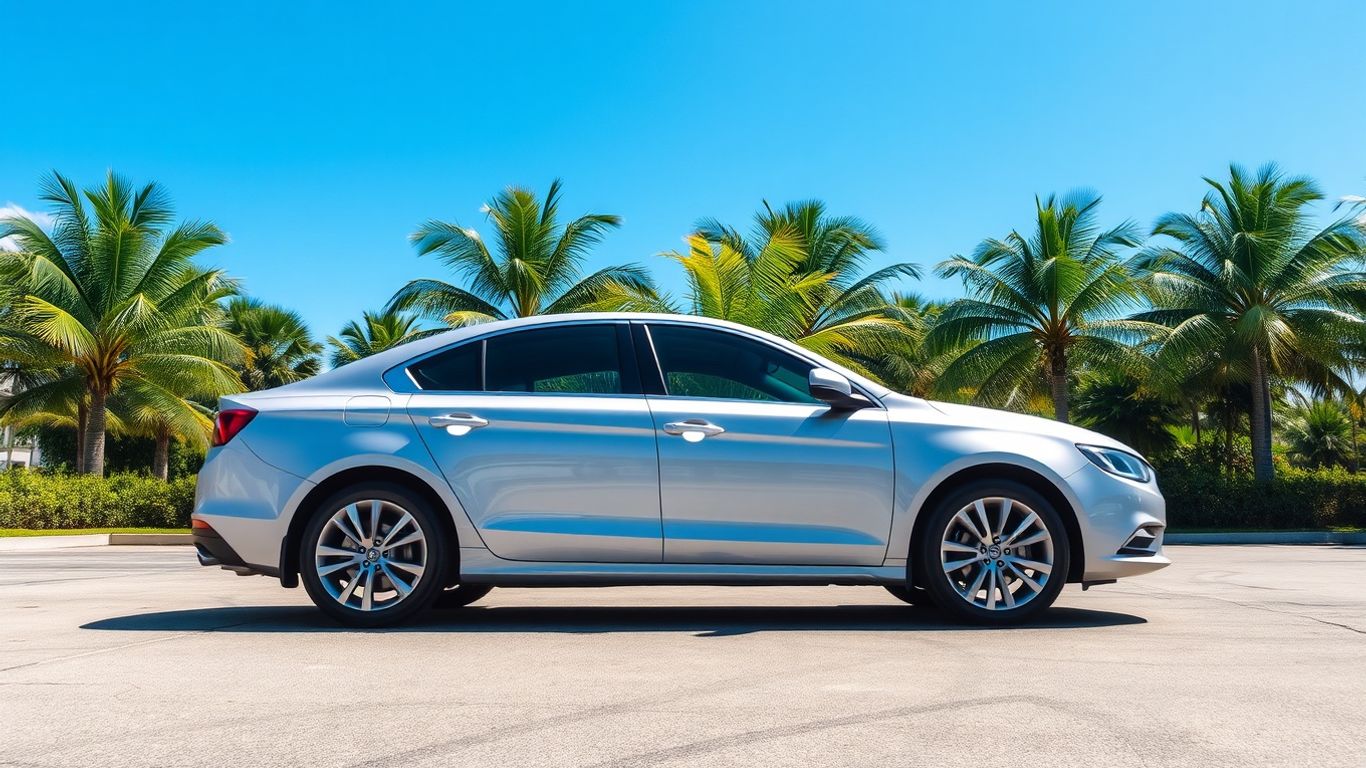
Utilizing a meta-search engine streamlines your search by aggregating massive amounts of data into one view. When planning your Hawaii transit, Discover Cars helps simplify the complex rental landscape by offering a centralized dashboard for comparisons. This tool is instrumental in identifying the best vehicle classes and pricing structures for your specific travel dates.
Navigating the DiscoverCars platform interface
The interface is designed to provide visibility into all-in pricing so you know what you are paying from the start. You can easily view different supplier ratings to understand the quality of service provided by each agency. This clarity helps you filter out providers that do not meet your standard needs.
Filtering results by vehicle size, fuel type, and price
Finding the perfect car requires balancing trunk space with your need for island fuel efficiency. You can use the search filters to isolate specific criteria like transmission type or vehicle class to suit your driving comfort. This ensures you only see vehicles that fit your specific Oahu road trip requirements.
Reading rental conditions and specific supplier policies
Understanding the fine print is vital to avoiding surprises at the rental counter upon your arrival. Every supplier has its own set of rules regarding fuel, mileage, and driver ages that should be vetted carefully. Reviewing these policies early ensures you remain in compliance with the rental agreement.
Managing your booking and modifications online
If your travel plans change, the ability to manage your booking through your account is a critical feature. You can often adjust your dates or modify your vehicle choice should your vacation needs shift unexpectedly. Please consult the table below to see a summary of typical rental considerations before you proceed with your final selection.
| Feature | Airport Pickup | Neighborhood Pickup |
|---|---|---|
| Availability | High | Moderate |
| Cost Factors | Higher | Lower |
| Transit Time | Immediate | Moderate |
Understanding insurance and legal requirements
Navigating the legal standards of Hawaiian driving starts with knowing your coverage limits and requirements. While the basic state insurance rules protect third parties in the event of an accident, you should always verify the extent of your own personal protections. Being prepared with the right documentation ensures that your pickup process goes smoothly without unnecessary delays.
Mandatory Hawaii state insurance regulations
Hawaii requires that all vehicles are covered by liability insurance for property damage and bodily injury. Most rental agencies include the minimum state-mandated coverage in their base rates to ensure legal compliance. Understanding these legal floors helps when you are assessing whether to add extra coverage to your personal policy.
Evaluating the benefits of full coverage insurance
Full coverage insurance can provide peace of mind by significantly reducing your financial responsibility if an incident occurs. While it increases your daily cost, it removes the stress of paying for minor dings or scratches that might occur while parking. It essentially acts as a safeguard during your entire duration on the island.
Checking your credit card’s secondary rental protection
Before you purchase supplemental protection at the counter, verify what your own credit card covers. Many premium travel cards offer secondary insurance that can cover your deductible in certain scenarios, provided you use the card correctly. Taking a few moments to call your provider can save you a substantial amount of money on your total bill.
Required documentation for domestic and international drivers
Ensuring you have the correct paperwork is the responsibility of the driver at the time of pickup. Domestic drivers must present a valid driver license, while international visitors should have their passport and a valid national license. Confirming these details in advance prevents any issues when you stand at the service desk.
Navigating Honolulu infrastructure and parking
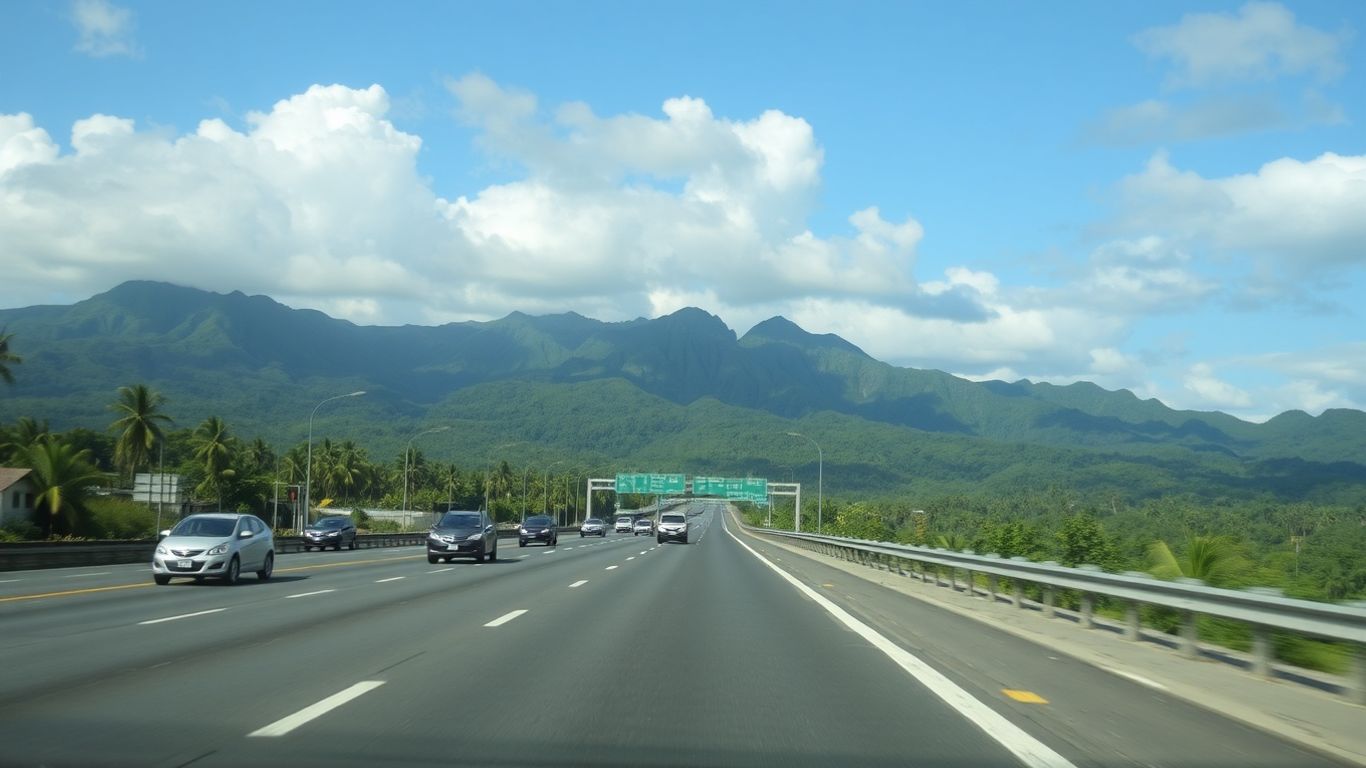
Driving through the capital requires patience, particularly during the high-traffic segments of your day. Oahu has a unique road layout that relies heavily on a few arterial routes connecting the mountain passes to the coast. Familiarizing yourself with these main thoroughfares early will make your travels far more predictable and enjoyable.
Handling peak hour traffic on the H-1 Freeway
The H-1 Freeway is the vein of island traffic, and it can become quite congested during morning and afternoon rushes. You should try to plan your major sightseeing trips around these peak times to avoid sitting in long, slow-moving queues. Early morning starts are often the best way to enjoy empty roads on your journey to the North Shore.
Finding affordable parking in dense areas like Waikiki
Parking in active areas like Waikiki can be challenging and costly if you search for spots blindly. Most hotels operate their own stalls, but you can also look for public parking structures that offer lower daily or hourly rates. Planning your parking locations as part of your daily route helps keep your transportation costs under control.
Mastering time-restricted parking zones and beach parking
Street parking throughout Honolulu is governed by strict, time-limited zones that you must respect to avoid citations. Beach areas often have shared public access, meaning the spots fill up very early in the morning. Arriving earlier ensures you get a spot without having to rely on expensive commercial lots.
Managing tolls and local traffic rules
Though Oahu does not have extensive tolling like mainland states, you should always observe the posted speed limits and residential zone restrictions. Local drivers value courteous behavior, such as yielding to merging traffic on the freeways. Following these simple conventions will make your rental experience much more natural.
Selecting the right vehicle for Oahu
Choosing a car that fits your specific travel goals is as important as the destination itself. Whether you prioritize gas economy for long coastal stretches or sheer passenger comfort for family groups, the right choice changes your experience entirely. Take a moment to consider what kind of driving you plan to do most, as this will dictate your vehicle class.
Compact cars for city maneuverability
Compact cars are the most logical choice if you plan to stick primarily to the downtown and Waikiki urban corridors. Their short wheelbase and smaller turning radius make them a dream for maneuvering through tight parking garages or navigating dense city streets. Plus, they fit into smaller city slots that larger trucks would struggle to occupy.
Convertibles for scenic coastal drives
There is something quintessentially Hawaiian about driving along a coastal road with the roof down. Convertibles allow you to fully immerse yourself in the salt-air breeze while enjoying the sweeping ocean views that define the island. While they may have limited cargo room, the driving experience is unmatched for a leisure vacation.
SUVs for family comfort and island exploration
If you have a group sharing the costs, an SUV provides the necessary space for passengers and gear alike. These vehicles offer the versatility needed for off-the-beaten-path trails and ensuring comfort on longer treks toward the interior of the island. They remain a staple for families who want to keep all their equipment together in one trip.
Fuel efficiency considerations for remote island travel
Island distances are surprisingly large once you head away from the city toward the more remote northern stretches. Opting for a fuel-efficient vehicle helps reduce your stop-overs at local pumps, giving you more time for adventures. Keeping an eye on your tank level is also crucial because gas stations become sparse in the truly rural parts of the island.
Best practices for pickup and return
How you handle the beginning and end of your rental period can determine how much stress you encounter. A proactive approach helps you catch potential issues before they become headaches during your busy vacation days. Follow these guidelines to keep your rental process smooth and efficient from beginning to end.
Inspecting your rental vehicle for pre-existing damage
Before you drive off the lot, perform a thorough walk-around of the vehicle to check for any existing dents, scratches, or interior tears. Taking clear photos or a short video of the vehicle condition provides you with objective evidence in case of any coverage disputes. Do not feel rushed by the staff during this process; ensure you are satisfied before you sign.
Understanding fuel policies and local refueling requirements
Most rental contracts require you to return the car with a full tank to avoid high refueling surcharges imposed by the agency. Mapping out a gas station near the airport for your return trip ensures you meet this requirement without hunting for a pump at the last possible minute. Always keep your terminal receipt as proof that you refueled.
Strategies for returning during high-traffic airport windows
Returning your car during an airport rush can add unexpected delays to your transition back to the terminal. We suggest allowing extra time for the return process, especially if you have a significant flight departure time. Most operators advise arriving at the rental facility at least 30 minutes before your planned shuttle or walking departure.
Dealing with unexpected mechanical issues or rental delays
If you find yourself facing an issue with your vehicle during your trip, contact the rental agency’s roadside assistance immediately. They are equipped to handle logistical problems, allowing you to focus on your trip while they address the mechanical concern. Acting early usually turns a potential disruption into a manageable hiccup in your travel schedule.
Conclusion
Securing your Honolulu car rental early provides the freedom to experience everything Oahu offers on your own schedule. By comparing your options and understanding the local driving landscape, you can ensure your transportation is as smooth as the island itself. Enjoy your time wandering through the beautiful scenery, and remember that preparation is the best way to keep your vacation frustration-free.
Ready to compare Honolulu rental prices?
Frequently Asked Questions
Do I need an international driving permit to rent in Hawaii?
Most domestic and international visitors can use their standard national driver’s license for their stay, provided it is valid and written in English. If your license is not in English, carrying an international driving permit alongside your original document is recommended to avoid any confusion at the counter.
Can I rent a car if I am under 25 years old?
Yes, you can generally rent a car, but many agencies charge an additional daily young-driver fee for renters between the ages of 20 and 24. It is always wise to confirm this specific surcharge with your chosen supplier before you finalize your reservation.
Is it easy to find gas stations in rural areas of Oahu?
While urban Honolulu has plenty of options, gas stations can become quite sparse as you head to the more remote northeastern and western coastlines. We suggest keeping your tank level substantial to ensure you have plenty of fuel for your exploration without needing to hunt for a pump.
What should I do if my rental car has a flat tire?
If you experience a flat tire, pull over to a safe location away from traffic and contact the roadside assistance number provided by your rental agency. Most contracts include support for basic issues like flat tires to ensure your safety throughout your time on the island.
Are there any hidden fees I should watch for?
Rental agreements can include various surcharges such as airport fees, local taxes, and optional service upgrades that bump up the final cost. Always prioritize all-in pricing platforms that clearly display the total amount you will be expected to pay at the end of your contract.
Can I take my rental car to other islands?
Rental cars are generally restricted to the island where they were picked up, meaning you cannot take them on ferries or barges between islands. If you plan to visit multiple islands, you will need to arrange for separate rentals on each individual island you visit.
Should I buy the extra insurance offered at the counter?
Deciding to buy extra insurance depends heavily on your personal comfort level and what is already covered by your existing insurance or travel credit cards. Evaluating your current coverage before your trip is the best way to determine if you truly need those additional daily protections.
Disclosure: This article contains affiliate links. If you book through them, we may earn a commission at no extra cost to you. This helps support our free guides.