

Key Takeaways
To ensure your trip to the Big Easy is as smooth as possible, it helps to understand local rental conventions before you arrive. This guide simplifies the process to keep your plans on track.
- Book your vehicle in advance to secure the best rates.
- Familiarize yourself with airport versus city pickup locations.
- Verify all documentation requirements including age and insurance.
- Plan for seasonal demand, especially during festival months.
- Keep your rental agency contact information handy for emergencies.

Getting started with DiscoverCars in New Orleans
How to navigate the platform for local searches
When planning a trip, finding a reliable vehicle is often the first logistical step. You can use the meta-search engine to filter through available options based on your specific requirements rather than manually checking dozens of websites. By entering your dates and pickup location, you gain access to a clear view of inventory, which is helpful for comparing prices objectively.
Benefits of using DiscoverCars for regional pricing
Comparing options through a dedicated aggregator helps travelers spot price variations that might otherwise stay hidden. DiscoverCars displays the all-in price before you commit, which prevents the frustration of seeing sudden jumps in costs at the final booking screen. This transparency allows you to budget your New Orleans journey accurately without unexpected surcharges for local taxes or airport fees.
Understanding the booking process from selection to confirmation
Once you have selected your ideal car, the final steps are straightforward and designed for simplicity. After finalizing your details, the confirmation email serves as your primary reference for pickup. Make sure to review the included rental terms, as these often outline the specific deposit requirements and fuel policies that will govern your rental period.
Rental locations in New Orleans

Picking up your vehicle at MSY airport
Most travelers landing at Louis Armstrong New Orleans International Airport find the centralized facility convenient for ground transportation. The rental center is accessible via a short shuttle service from the main terminal, ensuring you can pick up your keys without navigating complex city transit immediately upon arrival. Having your transport ready at the airport streamlines the arrival process for anyone with heavy luggage.
Downtown and French Quarter rental options
For those who prefer to spend a few days walking or using public transport before grabbing a vehicle, neighborhood branches offer a great alternative. Choosing an off-airport location can sometimes provide greater flexibility if your travel schedule involves staying in the city center for a while. You might find that picking up your car after a few days of local exploration is more efficient given the limited parking in historic areas.
Comparing neighborhood versus airport prices
Deciding where to pick up your car involves weighing convenience against potential cost savings. Many agencies update their rates dynamically based on demand at specific branches. Check the table below to understand how different sites typically compare for travelers.
| Location Type | Pros | Cons |
|---|---|---|
| Airport (MSY) | Wide selection | Higher daily taxes |
| Downtown | Close to hotels | Fewer late-night hours |
| Suburban | Lower baseline rates | Requires a commute |
It is often worth checking both airport and city-center quotes to ensure you are finding the best deal for your specific rental window.
Essential requirements for renting a car in Louisiana
Driver requirements and age restrictions
Most agencies in Louisiana require you to be at least 21 years old to rent a vehicle. If you are under 25, be prepared to pay a young driver surcharge in addition to the standard rental cost. Always verify if the specific company you choose has higher age minimums for premium or specialty vehicle classes.
Necessary documentation and identification
To move through the pickup process quickly, ensure you have a valid driver’s license that has been held for at least one year. International travelers should also carry a passport and, in some cases, an International Driving Permit. Keeping your physical documents in a secure folder avoids potential delays at the service desk.
Credit card and deposit policies
Rental companies require a security deposit to cover potential damages or fuel discrepancies. A credit card in the main driver’s name is generally mandatory, even if you intend to pay the final balance with another method. Be aware that this hold acts as a temporary reduction in your available credit throughout the trip.
Navigating New Orleans by car
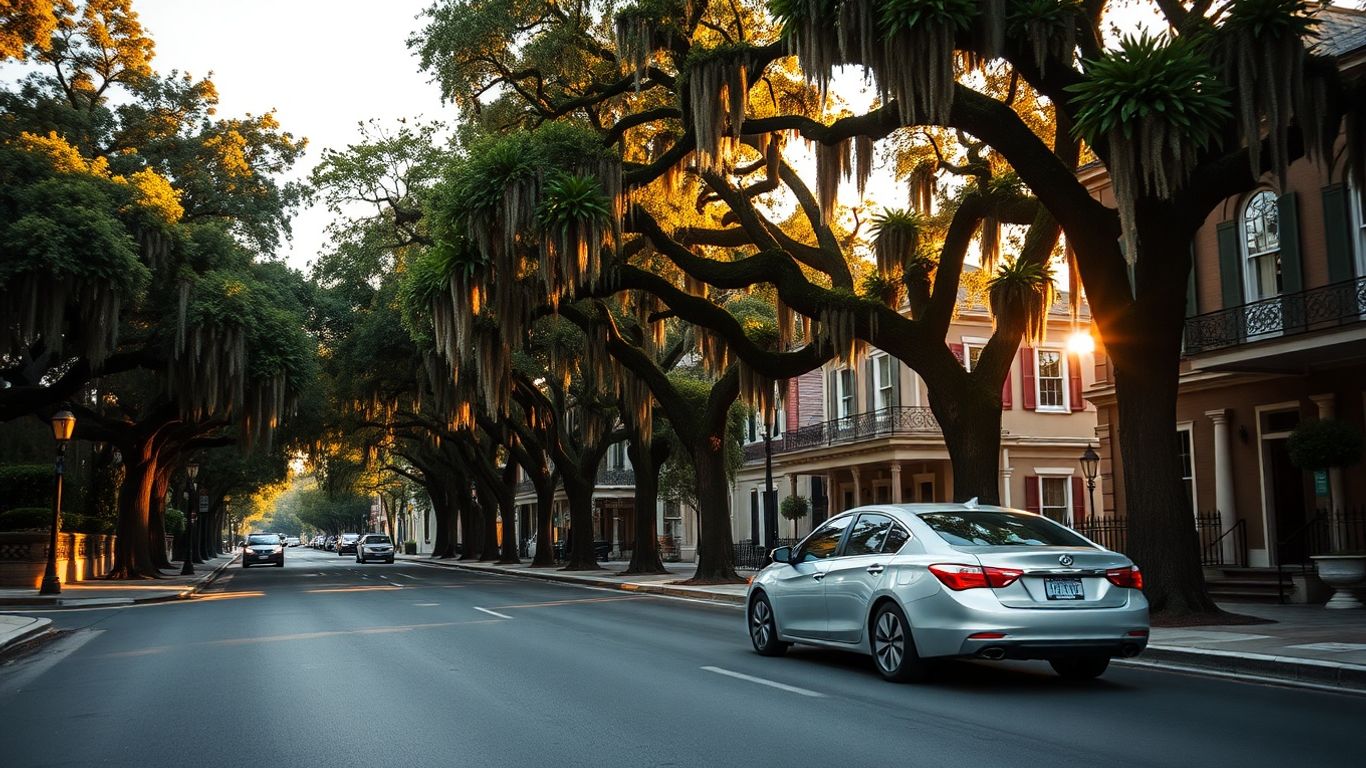
Parking tips for the French Quarter and surrounding areas
Parking in the historic district can be quite challenging, so it is often better to leave your car in a secure garage. Look for established parking lots rather than searching for limited street spots, especially around Bourbon Street. Using a parking app can help you identify open spaces nearby if you need to make a quick stop near local attractions.
Managing traffic and common congestion patterns
Traffic, particularly during rush hour, can be heavy on major corridors like I-10. If you are planning to travel between neighborhoods, allow extra cushion for your arrival times. Locals often suggest finding alternative routes, which can be useful if you are trying to avoid busy intersections.
Safety considerations for tourists driving in the city
When exploring, follow basic safety precautions such as locking your vehicle and keeping valuables out of sight. Remember that New Orleans is a pedestrian-heavy city, so keep a close watch at intersections. Being mindful of your surroundings makes navigating the city much more comfortable for visitors relying on their SunDrive travel insights.
Insurance and protection plans
Evaluating the rental company’s coverage options
Before you reach the counter, check the basic insurance included in your quote. Most rentals feature a standard loss damage waiver, but this may exclude specific parts of the car. Understanding exactly what is covered prevents confusion if an incident occurs while you are exploring the Gulf Coast.
Understanding DiscoverCars full coverage add-ons
Many travelers opt for added protection to enjoy total peace of mind during their trip. These packages often cover items like glass, tires, and undercarriage, which are otherwise excluded from standard policies. Adding coverage externally can simplify the settlement process should any minor dings occur.
Checking your personal credit card insurance benefits
It is wise to verify whether your personal credit card provider offers rental car coverage before purchasing secondary insurance. If they do, confirm that the coverage applies to the specific type of car you are renting in Louisiana. Always carry a digital or printed copy of your benefits documentation just in case the agency asks for proof of coverage.
Seasonal travel tips for New Orleans
Renting during Mardi Gras and peak festival seasons
Festivals bring large crowds to the city, making inventory levels fluctuate rapidly. During these times, you will encounter higher demand, which drives prices up and limits the variety of available vehicle types. Travelers visiting during peak periods should secure their transport as early as possible.
Driving conditions during summer humidity and storm season
Summer in Louisiana is characterized by high heat and frequent heavy rainfall. Ensure your vehicle has functional air conditioning and wipers before leaving the rental lot. Watching for standing water after a downpour is crucial to protect both yourself and the rental car from engine damage.
Booking ahead for high-demand event dates
For major holidays, the earlier you finalize your booking, the better your options will be. Planning your transport weeks in advance prevents the need to settle for more expensive or less suitable vehicles. Having a reservation locked in allows you to focus on exploring great road trips without the stress of last-minute logistics.
Returning your rental vehicle
Procedures for airport return drop-off
Returning your car to the airport is typically a sign-off process where an agent inspects the exterior and checks fuel levels. Follow the designated signage for rental returns to find the drop-off zone. Giving yourself an extra thirty minutes before your flight departure ensures you have plenty of time to clear the return center and catch your shuttle.
Refueling policies and cost considerations
Most agreements necessitate returning the vehicle with the same amount of fuel it had at checkout. If you do not have time to find a gas station, the company will charge a premium fee for the service. Plan your route to pass a gas station near the airport to avoid these extra costs.
Final inspection and checking for forgotten items
Take a few moments before walking away to double-check the trunk, door pockets, and backseat for personal items. Taking a quick photo of the vehicle after you have emptied it provides proof of condition in case of any later disputes. This simple habit keeps your return experience hassle-free.
Conclusion
Navigating New Orleans with your own vehicle offers the freedom to experience the city and the surrounding bayous at your own pace. By utilizing clear comparison tools and understanding the essential requirements, you can bypass common rental pitfalls and enjoy your stay. Whether you are coming for the world-class jazz, the incredible cuisine, or the beautiful architecture, being prepared ensures your transportation is one less thing to worry about. Stick to the tips provided to keep your budget intact and your journey through the South seamless and memorable.
Ready to compare New Orleans rental prices?
Frequently Asked Questions
Do I need an international driving permit to rent in New Orleans?
If your domestic license is in English, you typically do not need an international permit, though carrying one is helpful backup just in case.
Can I rent a car if I am under 21?
Most rental agencies in New Orleans have a minimum age policy starting at 21, so finding options for drivers younger than that is often difficult.
Are there any tolls I need to be aware of when driving in Louisiana?
While there are some toll bridges and causeways, many are cashless, so checking your rental company’s toll policy before you drive is highly recommended.
Is it easier to rent at the airport or downtown?
Airport locations provide the widest selection and easier access to highways, while downtown locations are better for travelers who are staying in the city first.
What happens if I return the car late?
Late returns often result in a daily penalty rate or additional fees, so it is safer to notify the rental agency well before your scheduled time.
Is full insurance necessary for a city trip?
It is certainly not required, but it provides valuable protection against unexpected repair costs or damages that standard minimal policies might not cover.
Do I have to return the car with a full tank of gas?
Most agents demand that you return the vehicle at the same fuel level indicated on your agreement, which is usually a full tank to avoid refueling penalties.
Disclosure: This article contains affiliate links. If you book through them, we may earn a commission at no extra cost to you. This helps support our free guides.